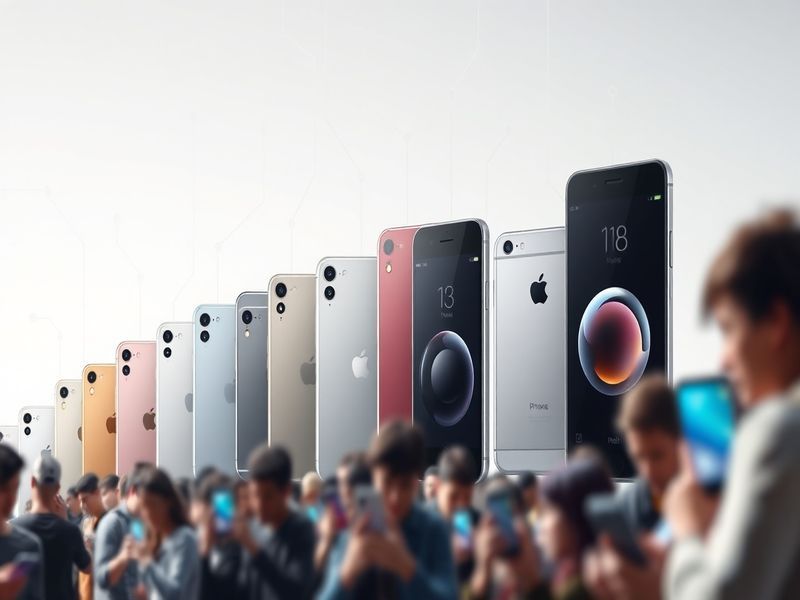
The Evolution of the iPhone
Since its launch in 2007, the iPhone has continually set the standard for smartphones. Apple has consistently introduced innovations that redefine user expectations. The device has evolved from a simple communication tool to a multifunctional gadget that integrates seamlessly into everyday life.
Each iteration has brought enhancements in performance, design, and functionality. The introduction of features like the App Store, FaceTime, and Siri has transformed how users interact with technology. As a result, the iPhone has become a staple in modern society, influencing not only personal communication but also business practices and social interactions.
Recent Developments in iPhone Technology
Apple’s commitment to innovation is evident in recent iPhone models. The latest releases feature cutting-edge technology that enhances user experience. Here are some prominent advancements:
- Camera Enhancements: The latest iPhones boast improved camera systems, allowing for stunning photography and videography.
- 5G Connectivity: With the integration of 5G technology, users can enjoy faster download speeds and improved connectivity.
- Battery Life Improvements: Apple has focused on optimizing battery performance, ensuring longer usage times for users.
- Privacy Features: Enhanced privacy settings have been introduced, giving users more control over their personal information.
These advancements not only enhance the user experience but also position Apple as a leader in smartphone technology. By continuously pushing boundaries, Apple ensures that the iPhone remains relevant in a rapidly evolving market.
The iPhone’s Impact on Society
The influence of the iPhone extends beyond technology. It has reshaped various aspects of society, including communication, entertainment, and even commerce. Social media platforms, for instance, have flourished due to the capabilities of smartphones like the iPhone.
Moreover, the rise of mobile applications has created a new economy. Developers are now able to reach a global audience through the App Store, leading to the creation of countless jobs and entrepreneurial ventures. The iPhone has not only changed how we communicate but has also fostered innovation and economic growth.
Challenges and Criticisms
Despite its many successes, the iPhone is not without challenges. Some criticisms include issues related to pricing, environmental impact, and competition. The high cost of new models can be a barrier for many consumers, leading to debates about accessibility in technology.
Additionally, Apple’s approach to sustainability has faced scrutiny. While the company has made strides in using recycled materials, there is still much work to be done to address environmental concerns linked to electronic waste.
Finally, competition from other smartphone manufacturers presents a constant challenge. Companies like Samsung and Google are also innovating, striving to capture market share. This competitive landscape keeps Apple on its toes, necessitating continual improvement and adaptation.
Conclusion
The iPhone has fundamentally changed the way we live, work, and communicate. Its evolution reflects not only technological advancements but also shifts in societal norms and expectations. As Apple continues to innovate, the iPhone will likely maintain its status as a leader in the smartphone market.
For those looking to stay updated on the latest in technology and culture, visit our Technology and Culture sections for more insights.