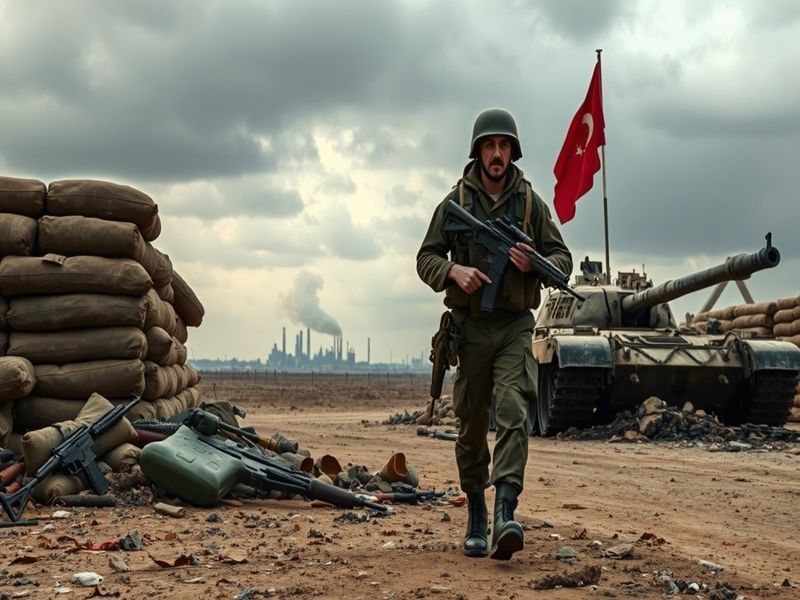
The Iran War: A Historical Overview and Its Lasting Impact
Understanding the Iran War: A Complex History
The Iran War, often referred to as the Iran-Iraq War, was a protracted conflict that lasted from 1980 to 1988. It was marked by significant geopolitical tensions and has had lasting repercussions for the Middle East. The war began when Iraq, under the leadership of Saddam Hussein, invaded Iran. This invasion was prompted by a mix of territorial disputes, fears of Iranian influence following the 1979 Islamic Revolution, and ambitions to assert dominance in the region.
As the conflict unfolded, it became one of the longest conventional wars of the 20th century, resulting in an estimated one million casualties and immense destruction. The war was characterized by trench warfare, chemical weapons, and a complete disregard for human rights. Understanding this conflict requires delving into its origins, key events, and broader implications.
Key Events and Turning Points
Several pivotal moments defined the trajectory of the Iran War. Here are some of the most significant:
- Iraqi Invasion of Iran (1980): The war began with Iraq’s invasion, which aimed to capitalize on Iran’s post-revolutionary upheaval.
- Use of Chemical Weapons: Both sides employed chemical warfare, with Iraq infamously using these weapons against Iranian troops and civilians.
- International Involvement: The conflict saw various countries, including the U.S. and USSR, providing support to Iraq, while Iran received backing from groups like Hezbollah.
- UN Ceasefire (1988): The war officially ended with a ceasefire brokered by the United Nations, although tensions remained high.
Broader Implications of the Conflict
The ramifications of the Iran War extend far beyond the battlefield. The conflict reshaped the political dynamics of the Middle East and influenced international relations. Here are some of the broader implications:
- Regional Power Shifts: The war significantly altered the balance of power in the Middle East, leading to a rise in Iranian influence, particularly among Shiite groups.
- Humanitarian Crisis: The war resulted in a massive humanitarian crisis, with millions displaced and countless lives lost, leading to ongoing issues within both nations.
- Long-term Economic Consequences: Both Iran and Iraq faced severe economic hardships post-war, stunting their development for years to come.
- Legacy of Hostility: The conflict entrenched animosities that continue to affect relations between Iran, Iraq, and other regional players.
Analysis of Current Perspectives
Today, the legacy of the Iran War continues to influence contemporary geopolitics. Tensions between Iran and its neighbors, particularly Saudi Arabia, remain palpable. The divide often manifests in proxy conflicts throughout the region, such as in Syria and Yemen. Moreover, the war’s historical narrative shapes Iran’s national identity and its approach to foreign policy.
In addition, the ongoing discussions about nuclear proliferation in Iran can trace some of their roots back to the war. The desire for self-defense and deterrence has led Iran to pursue advanced military capabilities, raising concerns among Western nations.
The Iran War serves as a reminder of the complexities of Middle Eastern politics. While the conflict has largely faded from mainstream media attention, its effects are still felt in today’s geopolitical landscape. Understanding this history is crucial for analyzing current events and predicting future developments.
Conclusion
The Iran War was not merely a conflict between two nations; it was a pivotal moment in history that shaped the Middle East’s political and social fabric. The scars left by this war continue to influence regional dynamics and international relations. As the world watches the ongoing tensions in the region, the lessons from the Iran War remain relevant. It is essential to analyze these events critically, as they provide context for understanding the complexities of modern conflicts.
For more insights into current events and analyses, visit our News and Analysis sections.