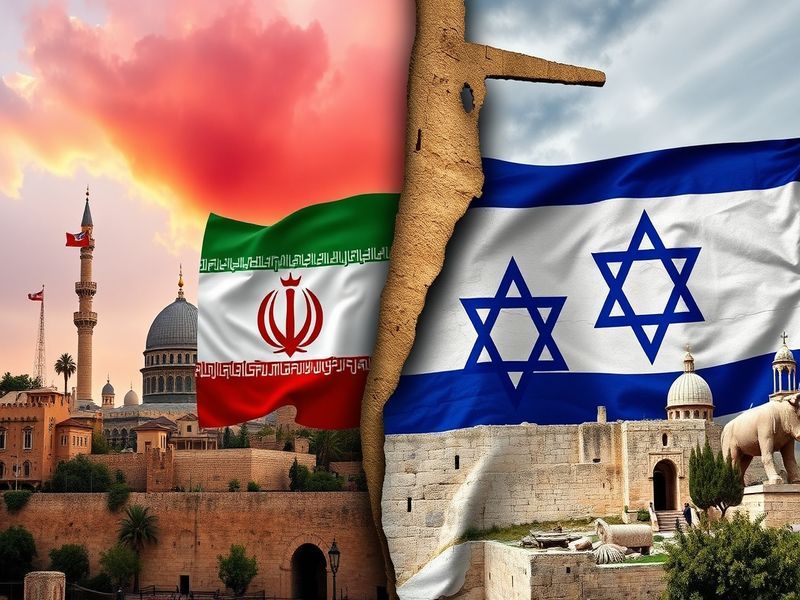
Understanding the Iran-Israel Conflict: Historical and Global Perspectives
The Iran-Israel Conflict: A Historical Overview
The ongoing tensions between Iran and Israel have roots that trace back decades. This complex relationship is shaped by a myriad of historical, political, and religious factors. The conflict has evolved significantly over time, influenced by regional rivalries and global power dynamics.
At its core, the Iran-Israel conflict is intertwined with issues of national identity, territorial disputes, and ideological divides. Iran, a predominantly Shia Muslim nation, has often positioned itself as a leader of the Shia community, while Israel represents a Jewish state in a predominantly Arab region. This fundamental difference in identity has fueled animosity and conflict.
Key Events in the Iran-Israel Tensions
Several key events have marked the trajectory of the Iran-Israel relationship:
- The 1979 Iranian Revolution: This pivotal moment shifted the balance of power in the Middle East, leading to the establishment of the Islamic Republic of Iran. The revolution turned Iran from a U.S.-backed ally into a staunch opponent of Israel.
- Lebanon War (1982): Israel’s invasion of Lebanon aimed to root out the Palestine Liberation Organization. Iran’s involvement in supporting Hezbollah during this conflict marked a significant escalation in hostilities.
- Nuclear Program Developments: Iran’s pursuit of nuclear technology has raised alarms in Israel, leading to fears of a potential nuclear threat. This issue remains a focal point of tension between the two nations.
- Cyber Warfare: The conflict has extended into the digital realm, with instances of cyber attacks attributed to both nations. These actions reflect the ongoing struggle for dominance in the region.
Global Perspectives on the Conflict
The Iran-Israel conflict is not confined to the borders of these two nations. It has far-reaching implications that resonate across the globe. Various countries and organizations have taken sides, often influenced by their geopolitical interests.
- The United States: Traditionally an ally of Israel, the U.S. has played a significant role in shaping the dynamics of the conflict. Its support for Israel, coupled with negotiations surrounding Iran’s nuclear program, has heightened tensions.
- Russia: As an ally of Iran, Russia has provided military and diplomatic support, complicating the situation further. This relationship has implications for U.S. interests in the region.
- The European Union: The EU has sought to mediate the conflict, advocating for diplomacy and dialogue. Their stance often aims to balance relations between Iran and Israel.
- Regional Players: Countries like Saudi Arabia and Turkey have their own interests in the conflict, often aligning against Iran, which they perceive as a threat to their stability.
Future Outlook: Possibilities for Resolution
The future of the Iran-Israel conflict remains uncertain. Various factors could influence the potential for resolution or further escalation:
- Diplomatic Engagement: Renewed efforts at diplomacy could provide a pathway to easing tensions. The role of international mediators will be crucial in this regard.
- Domestic Politics: Leadership changes in either country could alter the trajectory of the conflict. Political dynamics within Iran and Israel may open or close doors for dialogue.
- Regional Alliances: Shifts in alliances among Middle Eastern countries could impact the Iran-Israel relationship. Emerging partnerships may either exacerbate tensions or promote stability.
In conclusion, the Iran-Israel conflict is a multifaceted issue with deep historical roots and significant implications for global politics. Understanding its complexities requires a careful analysis of the various players involved and the cultural contexts that shape their actions. As the situation continues to evolve, the international community must remain vigilant in its efforts to promote peace and stability in the region.
To explore more about the geopolitical dynamics affecting global relations, visit our News section for the latest updates. Additionally, for insights on sports that often intersect with international relations, check out our Sports category.