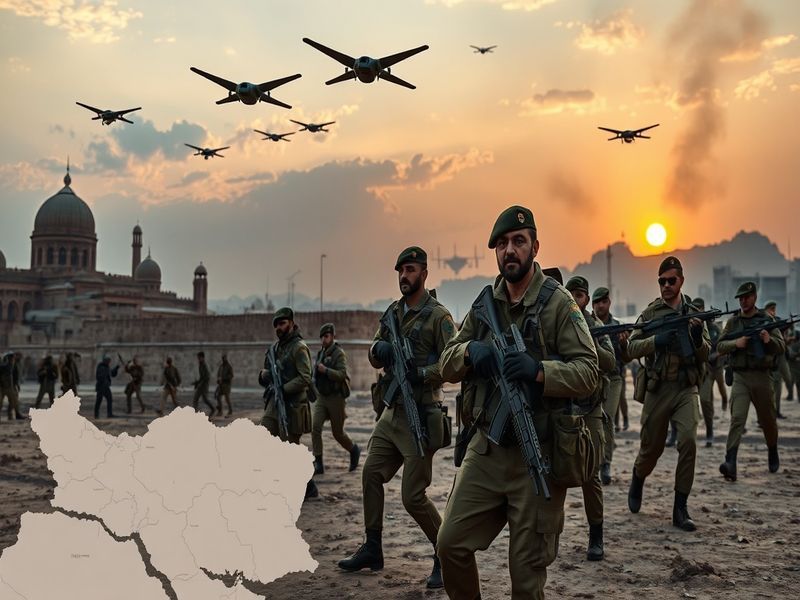
Understanding the Iran War: Historical and Contemporary Aspects
The Iran War: A Complex Tapestry of Conflict
The Iran War, often referred to in various contexts, represents a significant chapter in Middle Eastern history. It encompasses a range of conflicts, including the Iran-Iraq War, ongoing tensions with Western nations, and more recent confrontations involving proxy forces across the region. Understanding these multifaceted issues requires a look at both historical and contemporary perspectives.
Historical Context: The Iran-Iraq War
The Iran-Iraq War, which lasted from 1980 to 1988, serves as a critical starting point for discussions about conflict involving Iran. Sparked by territorial disputes and political tensions, the war led to massive casualties and economic devastation for both nations. It is estimated that over one million people lost their lives during this brutal conflict.
Several factors contributed to the outbreak of this war:
- Border Disputes: The Shatt al-Arab waterway was a major point of contention.
- Political Rivalry: The Islamic Revolution in Iran created fears in Iraq about the spread of revolutionary ideas.
- Regional Alliances: Iraq received support from various Arab states and Western powers, while Iran relied on its own resources and a strong nationalist sentiment.
The aftermath of the war left both nations weakened, but it also established Iran as a significant player in the regional power dynamics that continue to this day.
Contemporary Conflicts: Iran’s Role in the Region
In recent years, Iran’s influence has expanded through various means, including military interventions and alliances with non-state actors. The Syrian Civil War is a prime example, where Iran has supported the Assad regime, bolstering its position in the Levant. This involvement has drawn criticism from multiple nations, particularly Israel and the United States, leading to heightened tensions.
Key aspects of Iran’s contemporary military strategy include:
- Proxy Wars: Iran supports groups like Hezbollah in Lebanon and various militias in Iraq and Syria.
- Ballistic Missile Development: The enhancement of missile capabilities poses a direct threat to neighboring countries and U.S. interests.
- Cyber Warfare: Iran has increasingly engaged in cyber operations against its adversaries, showcasing a modern approach to conflict.
These strategies have not only solidified Iran’s influence but also contributed to ongoing instability in the region.
International Relations: Sanctions and Diplomacy
Iran’s relationships with other countries, particularly the West, have been heavily shaped by sanctions and diplomatic efforts. The Joint Comprehensive Plan of Action (JCPOA), commonly known as the Iran nuclear deal, was a significant diplomatic milestone. It aimed to limit Iran’s nuclear program in exchange for lifting economic sanctions.
However, the U.S. withdrawal from the agreement in 2018 led to a re-escalation of tensions. Sanctions have severely impacted Iran’s economy, leading to widespread public discontent. The effects are evident in the following areas:
- Economic Strain: High inflation and unemployment rates have plagued the Iranian populace.
- Social Unrest: Protests have erupted over economic difficulties, showcasing the public’s frustration with the government.
- Regional Isolation: Iran’s relationships with neighboring countries have become increasingly strained, as many align with U.S. interests.
Efforts to revive the JCPOA have faced numerous challenges, reflecting the complex interplay of domestic and international politics.
Conclusion: The Ongoing Challenge of Peace
The Iran War and its subsequent conflicts illustrate the intricate web of historical grievances, contemporary strategies, and international diplomacy. As tensions continue to rise, the need for a comprehensive approach to peace becomes increasingly urgent. Understanding the various dimensions of this conflict is essential for anyone seeking to grasp the realities of Middle Eastern geopolitics.
For more insights into current events and international relations, explore our News and Politics sections.