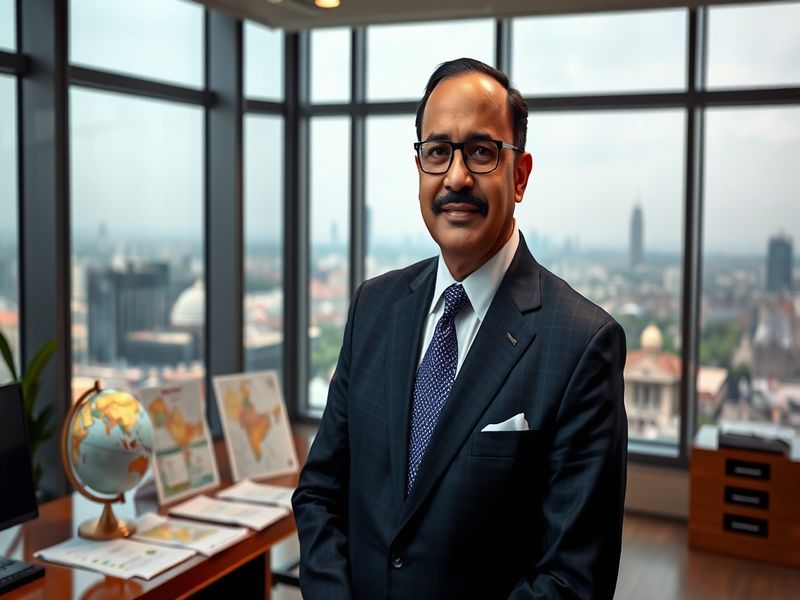
Understanding Ajit Doval: The Architect of India’s National Security
Ajit Doval, the National Security Advisor (NSA) of India, has emerged as a pivotal figure in shaping the country’s security and intelligence strategies. With a career spanning over four decades, Doval’s influence extends beyond traditional security policies into realms of diplomacy and internal stability. His approach integrates intelligence, military strategy, and political negotiation, making him a formidable player in Indian governance.
Born on January 20, 1945, in a small town in Uttarakhand, Doval’s early education and experiences laid the groundwork for a career in intelligence. He joined the Indian Police Service in 1968, and his expertise soon led him to the Intelligence Bureau, where he served in various capacities. Doval’s unique ability to blend operational intelligence with strategic foresight has made him a trusted advisor to the Prime Minister and a key architect of India’s national security policies.
Key Contributions to National Security
Doval’s tenure as NSA has been marked by several significant contributions that have reshaped India’s security landscape. His strategies often focus on proactive measures, counter-terrorism, and strengthening India’s geopolitical position. Here are some key points regarding his contributions:
- Counter-Terrorism Initiatives: Doval has been instrumental in formulating policies aimed at combating terrorism, significantly altering India’s approach to external and internal threats.
- Diplomatic Engagements: He has played a crucial role in enhancing India’s diplomatic relations with neighboring countries, often facilitating back-channel negotiations.
- Intelligence Reforms: Under his guidance, the intelligence community has undergone significant reforms, improving coordination between various agencies.
- Strategic Autonomy: Doval advocates for India’s strategic autonomy, promoting self-reliance in defense and security matters.
The Balancing Act of Security and Diplomacy
One of Doval’s most notable traits is his ability to navigate the complex interplay between security and diplomacy. His philosophy emphasizes that security cannot be achieved in isolation; rather, it requires a comprehensive understanding of geopolitical dynamics. Doval’s approach is characterized by a blend of hard power and soft power strategies.
For instance, his handling of the Doklam standoff with China exemplifies this balancing act. By combining military readiness with diplomatic dialogue, Doval managed to de-escalate tensions while reinforcing India’s strategic posture. This incident highlights the importance of having a leader who can operate effectively in both arenas, ensuring that security measures do not alienate potential allies.
The Broader Implications of Doval’s Strategies
Doval’s strategies have broader implications, not just for India but for regional and global security dynamics. His focus on counter-terrorism has led to increased collaboration with other nations in intelligence-sharing and joint operations. This shift is essential as terrorism knows no borders, and a unified approach is necessary to combat this threat effectively.
Moreover, Doval’s emphasis on self-reliance in defense has prompted India to invest more in indigenous military capabilities. This move has the potential to reduce dependency on foreign nations, thereby enhancing national sovereignty. However, this transition also comes with challenges, including the need for robust infrastructure and technological advancements.
As Doval continues to shape India’s security framework, his policies may influence how other nations perceive and interact with India. A strong national security posture can enhance India’s standing on the global stage, attracting foreign investment and fostering partnerships.
Conclusion: The Future of National Security Under Ajit Doval
Ajit Doval’s role as National Security Advisor has been transformative, characterized by a proactive approach to challenges that India faces today. His ability to blend intelligence, military strategy, and diplomacy positions him as a key figure in not just shaping national policies but also in defining India’s role in global security. As challenges evolve, Doval’s strategies will likely adapt, continuing to emphasize the importance of a multifaceted approach to national security.
For more insights into national security and defense strategies, visit our Analysis and News pages.