A Brief Overview of Cuban Culture
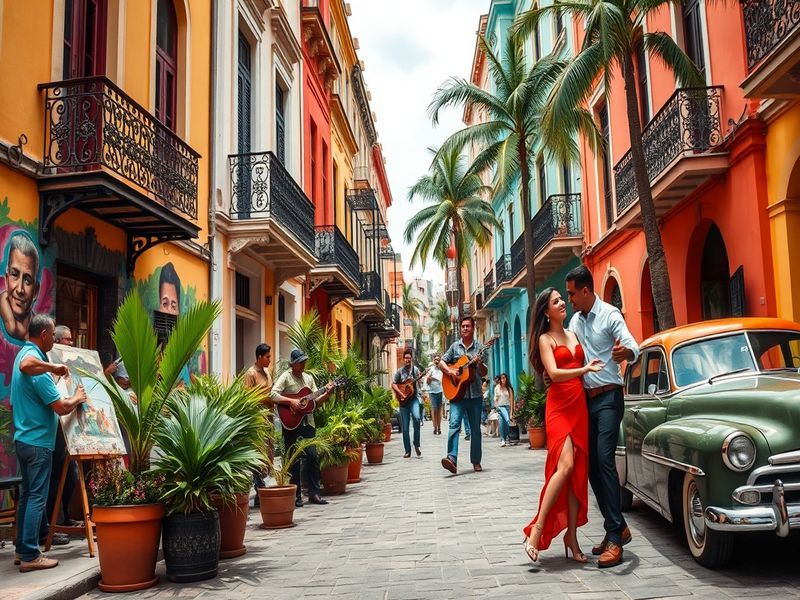
Cuba, an island nation located in the Caribbean, boasts a rich tapestry of culture influenced by its diverse history. The fusion of Spanish, African, and indigenous Taíno elements creates a unique cultural identity that is celebrated through various forms of art, music, and cuisine. From the vibrant streets of Havana to the serene landscapes of Viñales, Cuban culture is a vivid expression of resilience and creativity.
Music: The Heartbeat of Cuba
Music plays a central role in Cuban life. It is a medium through which stories are told and emotions are expressed. Genres like son, salsa, and mambo have transcended borders, captivating audiences worldwide. Cuban musicians such as Buena Vista Social Club have brought traditional sounds to global stages, showcasing the island’s rich musical heritage.
Here are some notable musical genres that originated in Cuba:
- Salsa: A lively dance music that combines elements of jazz, Afro-Cuban rhythms, and Spanish melodies.
- Son Cubano: A genre that blends Spanish guitar with African rhythms, serving as the foundation for salsa.
- Mambo: A fast-paced dance music characterized by its upbeat tempo and complex rhythms.
- Bolero: A romantic style of music that emphasizes lyrical melodies and emotional expression.
Cuban Cuisine: A Flavorful Journey
Cuban cuisine is a delightful mix of flavors and traditions. It reflects the island’s history, combining Spanish, African, and Caribbean influences. Staples such as rice, beans, and plantains are often accompanied by meats marinated in citrus and spices. Dishes like Ropa Vieja and Picadillo showcase the hearty and flavorful nature of Cuban cooking.
Popular Cuban dishes include:
- Ropa Vieja: Shredded beef in a savory tomato sauce, often served with rice and black beans.
- Picadillo: A ground beef hash cooked with tomatoes, olives, and spices, typically served with rice.
- Tostones: Fried green plantains, a common side dish that adds a crunchy texture to meals.
- Flan: A creamy caramel custard dessert that concludes meals on a sweet note.
The Impact of Politics on Cuban Identity
The political history of Cuba has significantly shaped its national identity. From the Spanish colonial period to the Cuban Revolution of 1959, these events have influenced every aspect of life on the island. The ongoing U.S. embargo has further added layers of complexity to Cuban society, affecting everything from economic conditions to cultural exchanges.
Despite the challenges, Cubans have shown remarkable resilience. The spirit of community and creativity thrives in the face of adversity. Artists, musicians, and writers continue to push boundaries, reflecting both the struggles and strengths of the Cuban people.
Global Influence and Diaspora
The Cuban diaspora has played a vital role in spreading Cuban culture beyond the island. Cities like Miami and New York have become hubs for Cuban immigrants, where they preserve their traditions while also integrating into new environments. This cultural exchange enriches both the diaspora communities and the cities they inhabit.
Cubans abroad often engage in cultural events, music festivals, and culinary fairs, sharing their heritage with a broader audience. This interaction helps foster understanding and appreciation for Cuban culture around the globe.
Conclusion
Cuban culture is a vibrant mosaic that reflects the island’s history, struggles, and triumphs. Through music, cuisine, and the indomitable spirit of its people, Cuba continues to leave an indelible mark on the world. As the global community becomes more interconnected, the appreciation for Cuban traditions only grows, inviting others to explore and celebrate this unique cultural heritage.
For those interested in further exploring cultural expressions, consider visiting our Culture section or check out the latest updates in Music.