Understanding the Weather in Lanzarote
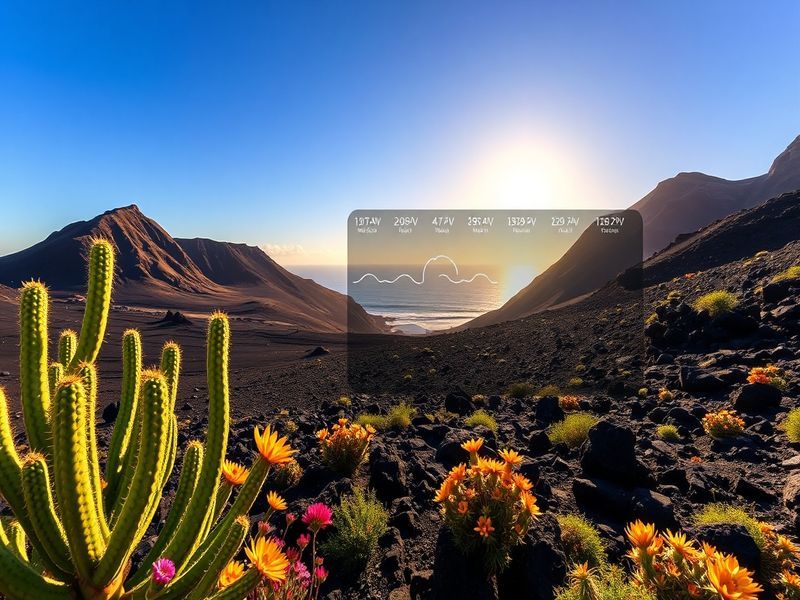
Lanzarote, one of the beautiful Canary Islands off the coast of Africa, is known for its unique volcanic landscape and stunning beaches. However, its weather plays a crucial role in attracting tourists year-round. With a warm climate and minimal rainfall, Lanzarote presents an appealing destination for vacationers seeking sun and relaxation.
Climate Overview
The climate in Lanzarote is classified as semi-arid, characterized by mild winters and hot summers. This island enjoys a subtropical climate, which means it has warm temperatures throughout the year. Average temperatures range from 18°C to 30°C, making it a perfect getaway regardless of the season.
Rainfall is scarce, primarily occurring in the winter months, which means that most visitors can expect sunny days and clear skies. The island’s geographical position also shields it from extreme weather phenomena, allowing for a stable climate that is one of its key attractions.
Seasonal Weather Patterns
Understanding the seasonal variations in Lanzarote’s weather can help travelers plan their visits more effectively. Here’s a breakdown of the seasons:
- Winter (December to February): Temperatures range from 15°C to 22°C. This is the coolest time of the year, yet still mild compared to many European destinations.
- Spring (March to May): Temperatures rise to about 17°C to 25°C. The weather becomes increasingly pleasant, making it a popular time for outdoor activities.
- Summer (June to August): Expect hot temperatures, averaging 20°C to 30°C. The island is bustling with tourists, and the beaches are vibrant during this peak season.
- Autumn (September to November): Temperatures start to cool down slightly, ranging from 18°C to 27°C. This season is ideal for those looking to avoid the summer crowds.
Impact of Weather on Tourism and Local Life
Weather conditions significantly influence Lanzarote’s tourism industry. The island’s consistent climate attracts visitors looking for sun and leisure, contributing to its economy. The influx of tourists during summer peaks can create a bustling atmosphere, with many outdoor events and activities available.
However, the weather also impacts local life. The minimal rainfall means that water conservation is essential for both residents and the agricultural sector. Farmers often rely on irrigation systems to ensure their crops thrive in the dry conditions.
Moreover, the stable weather patterns encourage the development of outdoor attractions, such as hiking trails and water sports. Visitors can engage in various activities, from exploring Timanfaya National Park’s volcanic landscape to enjoying the tranquil beaches of Papagayo.
Conclusion
Lanzarote’s weather is a key factor in its allure as a travel destination. With its mild temperatures and limited rainfall, the island provides a year-round escape for sun-seekers. Understanding the seasonal variations can enhance travel experiences, allowing visitors to make the most of their time on this stunning island. The implications of such weather extend beyond tourism; they shape local livelihoods and influence the island’s agricultural practices. As Lanzarote continues to attract visitors from around the globe, its climate will remain a vital aspect of its identity.
For more information on travel destinations, visit our Travel page or explore our Culture section for insights into local customs and traditions.