The Mandalorian arrived in 2019 as a bold experiment for Disney+ and a potential franchise revival for Star Wars. Three seasons later, it has cemented itself as more than just a streaming experiment—it has redefined what a serialized sci-fi series can achieve on television. With its blend of western aesthetics, deep lore integration, and emotional character arcs, the show has not only satisfied long-time fans but also attracted a new generation of viewers.
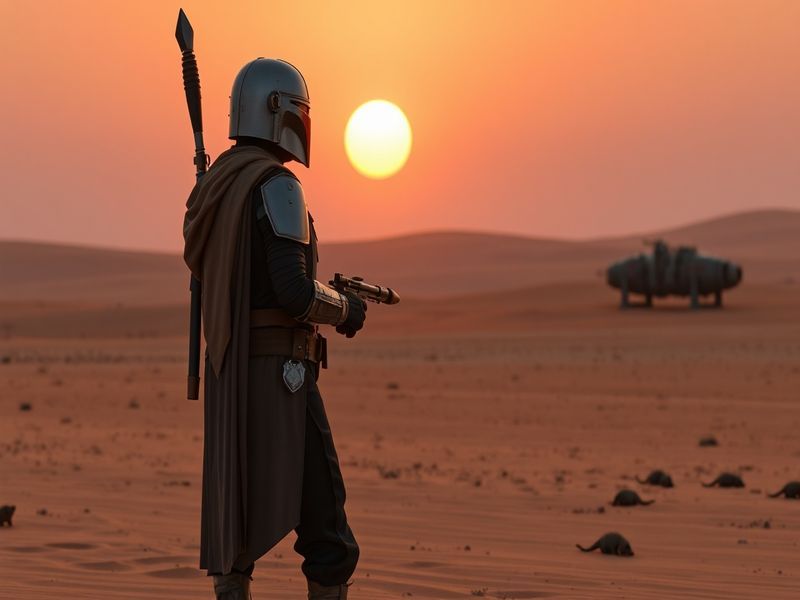
The series follows Din Djarin, a lone Mandalorian bounty hunter navigating the outer reaches of the galaxy after the fall of the Empire. His journey to protect Grogu, a mysterious child of his species, becomes the emotional core of the show. This narrative choice—placing a silent, masked protagonist alongside a compelling child character—created an instant visual and emotional hook that resonated with audiences worldwide.
The Evolution of Star Wars Storytelling
When The Mandalorian premiered, Star Wars had already established itself as a cinematic powerhouse, but its television presence was limited to animated series like The Clone Wars and Rebels. Live-action Star Wars television was largely untested territory. The show’s creators, led by Jon Favreau, took a risk by crafting a series that felt cinematic in scope yet intimate in storytelling. Each episode was structured like a standalone short film, allowing for tight pacing and character-driven drama.
This approach paid off. The Mandalorian demonstrated that Star Wars could thrive beyond the big screen, proving that audiences were hungry for deeper storytelling within this universe. The show’s success led to multiple spin-offs, including The Book of Boba Fett and Ahsoka, expanding the franchise’s television footprint even further.
The series also embraced a slower, more deliberate narrative pace compared to many modern streaming shows. Episodes often unfolded with minimal dialogue, relying instead on visual storytelling and atmospheric tension. This choice elevated the show’s western-inspired tone, drawing comparisons to classic films like The Good, the Bad and the Ugly and spaghetti westerns. It was a refreshing departure from the rapid-fire action and exposition typical of blockbuster entertainment.
Visual Style and Cinematic Influence
The Mandalorian’s visual identity is one of its most striking achievements. Cinematographer Greig Fraser (who later won an Oscar for Dune) crafted a look that blended the gritty realism of practical effects with the sleek futurism of sci-fi. The show’s use of real-world locations, miniatures, and animatronics harkened back to the original Star Wars trilogy, creating a tactile, lived-in galaxy.
One of the most talked-about aspects of the series is its groundbreaking use of the StageCraft technology, developed in collaboration with Industrial Light & Magic. This virtual production technique used massive LED walls to display real-time digital backgrounds, allowing actors to perform in immersive environments without relying solely on green screens. The result was a seamless integration of practical and digital filmmaking, a technique that has since been adopted by other major productions.
The show’s costume and production design also deserve praise. The Mandalorian’s armor, crafted by Jose Fernandez and the team at Ironhead Studios, became an iconic visual element, inspiring countless cosplay and merchandise sales. The diverse array of alien species and cultures further enriched the Star Wars universe, proving that the franchise could evolve beyond its original human-centric focus.
Key Elements That Made The Mandalorian Stand Out
- Practical Effects Over CGI: The show prioritized real-world sets, miniatures, and animatronics, creating a tangible Star Wars experience.
- Minimalist Storytelling: Episodes often relied on visuals and atmosphere rather than excessive dialogue, allowing moments to breathe.
- Emotional Character Arcs: Din Djarin’s journey from a lone bounty hunter to a protective figure resonated deeply with audiences.
- Expansion of the Star Wars Universe: The show introduced new planets, species, and factions, enriching the lore without overwhelming casual viewers.
- Collaborative Filmmaking: The use of StageCraft and real-time rendering allowed directors to make creative decisions on set, fostering a more collaborative process.
The Broader Impact on Modern Television
The Mandalorian’s success has had ripple effects across the television industry. Its blend of high-budget production, serialized storytelling, and cinematic ambition has set a new standard for prestige sci-fi. The show proved that audiences are willing to invest in long-form narratives delivered in a slow-burn format, challenging the dominance of shorter, binge-friendly series.
This shift has led to a surge in high-quality sci-fi content, with streaming platforms greenlighting ambitious projects like Foundation, The Expanse, and Foundation. The Mandalorian also demonstrated the viability of franchise extensions beyond traditional cinema, paving the way for other Star Wars live-action series and even expanding into the Marvel and DC universes.
Beyond its cultural impact, The Mandalorian has also influenced the business side of television. Disney’s decision to release episodes weekly rather than all at once was a calculated risk that paid off, generating sustained buzz and discussion. This model has since been adopted by other major platforms, recognizing that weekly releases can drive engagement and reduce subscriber churn.
Looking Ahead: The Future of The Mandalorian and Star Wars Television
As The Mandalorian enters its fourth season, the stakes are higher than ever. The show’s spin-offs have had mixed reception, but the core series remains a critical and commercial success. With new projects like Skeleton Crew and The Acolyte on the horizon, the franchise is poised for further expansion.
One of the most intriguing questions is how The Mandalorian will integrate with the upcoming Star Wars films. The show has already laid groundwork for major characters and events that could intersect with live-action cinema, creating a more cohesive transmedia experience. This interconnected storytelling could redefine how franchises engage with audiences across multiple platforms.
The Mandalorian has also set a precedent for how Star Wars should approach its television output. By focusing on character-driven stories and avoiding excessive lore dumping, the show has shown that accessibility is key to attracting new fans. Future series will likely follow this model, ensuring that the franchise remains relevant for decades to come.
For fans and industry observers alike, The Mandalorian represents more than just a successful TV show—it’s a blueprint for how franchises can evolve in the streaming era. Its legacy will be measured not just in ratings or awards, but in how it has reshaped expectations for what Star Wars—and science fiction as a whole—can achieve on television.
As the galaxy continues to expand, The Mandalorian stands as a reminder that great storytelling transcends mediums. Whether through the lens of a bounty hunter’s helmet or the LED walls of a soundstage, the Force remains strong.
For more on the evolution of Star Wars television, visit our Entertainment and Gaming categories.