How The Mandalorian Redefined Star Wars for a New Generation
The Mandalorian arrived on Disney+ in November 2019 with little fanfare beyond the Star Wars faithful. Yet within months, it had redefined what a streaming television series could be—proving that franchise storytelling could evolve without losing its soul. Set in the outer reaches of the galaxy, away from the familiar battles of the Skywalker saga, the show introduced audiences to a new kind of hero and a universe that felt both vast and intimate.
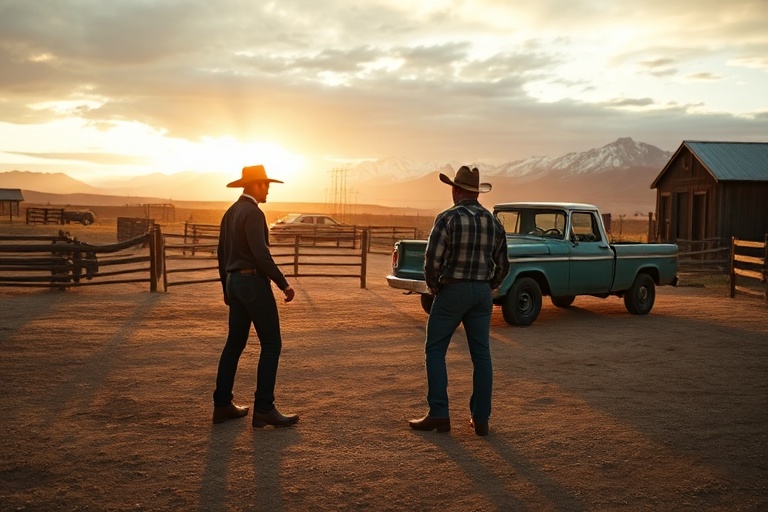
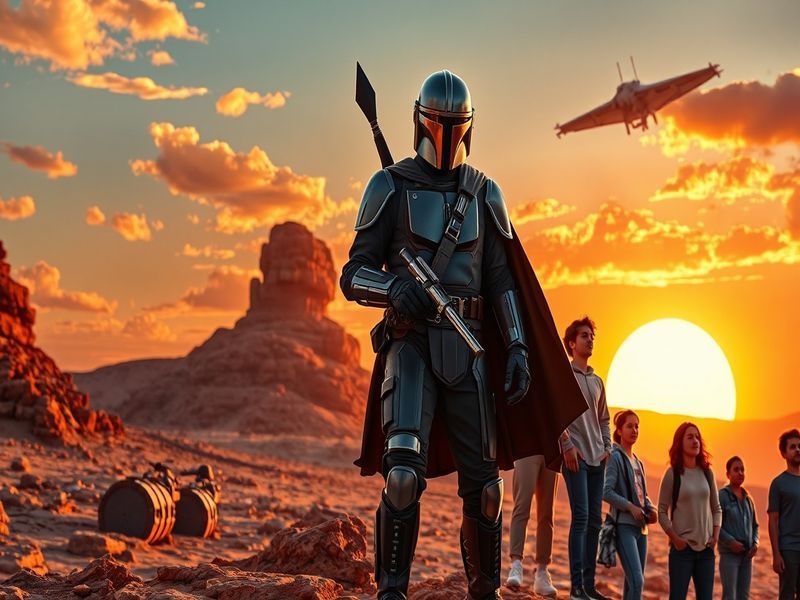
At its core, The Mandalorian is a Western in space, blending the moral ambiguity of classic samurai films with the frontier spirit of American pioneer tales. Its protagonist, Din Djarin, is a silent enforcer clad in beskar armor, a character designed to evoke Clint Eastwood’s Man with No Name. This minimalist approach allowed global audiences to project their own values onto him, making him a universal figure rather than just another sci-fi icon.
The Global Appeal of a Silent Hero
One of the most striking aspects of The Mandalorian is its reliance on visual storytelling. With minimal dialogue and a focus on physicality, the series transcended language barriers, resonating from Tokyo to Buenos Aires. The show’s creator, Jon Favreau, drew inspiration from Akira Kurosawa’s films and Italian Neorealism—techniques that prioritize emotion over exposition.
This approach proved particularly effective in non-English-speaking markets. In South Korea, for example, fan communities emerged around Grogu (often called “Baby Yoda”), whose expressions became a viral phenomenon on social media. Similarly, in India, where Star Wars had traditionally been a niche interest, The Mandalorian introduced younger viewers to the franchise through its accessible, character-driven narrative.
Cultural critics noted that the show’s success mirrored the global rise of streaming platforms. Unlike traditional television, which often prioritizes episodic formulas, The Mandalorian embraced serialized storytelling—an approach that aligned with how younger audiences consume content. Its weekly release schedule created a shared cultural experience, with fans around the world discussing each new episode in real time.
Behind the Scenes: A Fusion of Technology and Tradition
The Mandalorian was not just a triumph of storytelling but also of technological innovation. Industrial Light & Magic’s StageCraft—a virtual production system using LED walls—revolutionized how the series was filmed. By projecting digital backdrops in real time, the crew achieved unprecedented visual fidelity while reducing the need for extensive location shoots.
This method had global implications. By minimizing physical production constraints, Disney+ could shoot in locations that would have been logistically challenging otherwise. Scenes set on desert planets like Tatooine were filmed in Los Angeles, while icy exteriors were created entirely in-camera. The result was a seamless blend of practical and digital filmmaking—a technique that has since been adopted by major productions worldwide.
Behind the camera, the show’s global crew reflected its international audience. Favreau assembled a team that included veterans of Japanese anime and European visual effects studios. This diversity brought fresh perspectives to the Star Wars universe, particularly in the show’s depiction of alien cultures. Planets like Nevarro and Trask became microcosms of real-world societies, with their own histories, conflicts, and aesthetics.
A New Era for Star Wars Lore
While The Mandalorian was set in the decades after Return of the Jedi, it expanded the Star Wars timeline in unexpected ways. The show introduced factions like the New Republic and the remnants of the Empire, filling in gaps that had long frustrated fans. Yet it also created new mysteries—most notably, the origins of Grogu and the Dark Troopers.
These narrative choices sparked debates among purists and newcomers alike. Some criticized the show for straying too far from the films, while others praised its willingness to take risks. What emerged was a Star Wars universe that felt alive, capable of evolving with each new story. This flexibility has allowed the franchise to attract a broader demographic, from casual viewers to hardcore fans.
The Mandalorian’s impact extended beyond television. Its success paved the way for other Star Wars spin-offs, including The Book of Boba Fett and Ahsoka. It also influenced other franchises, proving that streaming series could carry the weight of legacy properties without alienating existing fans. Even non-Sci-Fi shows like The Witcher and House of the Dragon adopted similar serialized approaches, a testament to the series’ broader cultural footprint.
The Legacy of a Galaxy Far, Far Away
Five years after its debut, The Mandalorian remains a benchmark for franchise storytelling in the streaming era. Its blend of nostalgia, innovation, and emotional depth set a new standard for how to expand a beloved universe. More importantly, it demonstrated that genre television could be both commercially successful and artistically ambitious.
The show’s legacy is evident in the way it has shaped Disney+’s approach to its other properties. Series like Loki and Moon Knight have embraced similar visual and narrative techniques, proving that The Mandalorian was not just a fluke but a blueprint. Globally, it has inspired fan conventions, merchandise industries, and even academic discussions about the future of storytelling.
For a series that began as a modest experiment, The Mandalorian achieved something rare: it became a cultural touchstone without losing its heart. In an era where franchises often prioritize spectacle over substance, it reminded audiences that at the center of every great story is a compelling character. And in Din Djarin, Grogu, and the people of the Outer Rim, it gave us heroes worth following across the stars.
As the Star Wars universe continues to expand, The Mandalorian stands as a testament to the power of quiet storytelling in a loud world. Its influence will be felt for generations—long after the last blaster has fired.