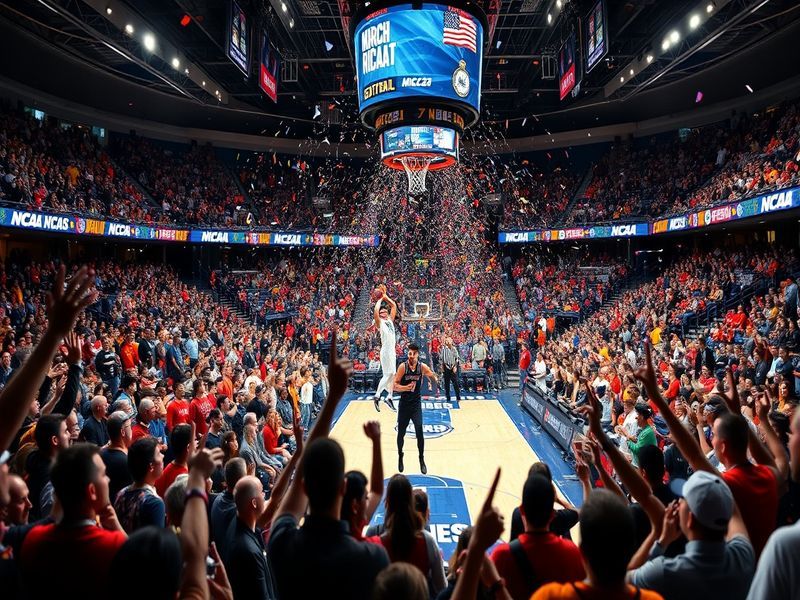
The NCAA Tournament, known colloquially as March Madness, is more than just a basketball tournament—it’s a cultural institution that captivates millions of fans each spring. For three weeks, 68 teams from colleges across the United States compete in a single-elimination format, creating stories of triumph, heartbreak, and unexpected heroics. The tournament’s blend of high-stakes competition and David-vs-Goliath narratives has cemented its place as one of the most beloved sporting events in the world.
The History and Evolution of March Madness
The NCAA Tournament traces its origins back to 1939, when the National Collegiate Athletic Association (NCAA) organized the first national championship for college basketball. The inaugural tournament featured just eight teams, a far cry from today’s expansive 68-team field. The event was initially overshadowed by other sports, but its popularity grew steadily, particularly after the introduction of the television broadcast in the 1960s. This exposure transformed the tournament into a national spectacle, drawing casual fans alongside die-hard basketball enthusiasts.
The tournament’s format has undergone several changes over the decades. In 1985, the field expanded to 64 teams, and the introduction of the “play-in games” in 2001 added even more drama. The selection process, handled by the NCAA Selection Committee, remains a closely watched event, with fans dissecting every decision, from at-large bids to seeding. The committee’s choices often spark debates and controversies, adding another layer of intrigue to the tournament’s buildup.
Milestone Moments in NCAA Tournament History
Few sporting events can match the NCAA Tournament’s rich history of unforgettable moments. From buzzer-beaters to underdog victories, the tournament has produced countless memories that linger in the minds of fans for generations.
- 1982: North Carolina’s Michael Jordan hits the game-winning shot. A freshman Jordan’s iconic jump shot against Georgetown in the championship game launched his legendary NBA career.
- 1985: Villanova’s perfect tournament run. The 8th-seeded Wildcats shot an astonishing 78.6% from the field in the title game, defeating Georgetown in one of the greatest upsets in tournament history.
- 1991: Duke’s back-to-back championships. Coach Mike Krzyzewski’s Blue Devils defeated Kansas in a thrilling overtime game, cementing their place as one of the decade’s dominant programs.
- 2006: George Mason’s Cinderella run. The 11th-seeded Patriots reached the Final Four, stunning top-seeded Connecticut and inspiring underdog stories for years to come.
- 2018: Donte DiVincenzo’s breakout performance. Villanova’s redshirt freshman scored 31 points in the title game, leading the Wildcats to their third championship in five years.
The Economic and Cultural Impact of the NCAA Tournament
The NCAA Tournament is a multi-billion-dollar industry, generating revenue through television rights, sponsorships, and merchandise. CBS and Turner Sports pay the NCAA over $1 billion annually for broadcast rights, while corporate sponsors like Coca-Cola and AT&T leverage the tournament’s massive viewership to promote their brands. The economic ripple effects extend beyond the court, boosting local economies in host cities and providing a financial lifeline for participating schools.
Beyond its financial impact, the tournament plays a significant role in shaping American culture. The phrase “March Madness” has become synonymous with excitement and unpredictability, transcending sports to influence music, film, and even politics. Brackets, where fans predict the outcomes of every game, have become a national pastime, with office pools and online competitions drawing millions of participants. The tournament’s ability to bring people together—whether in bars, living rooms, or stadiums—fosters a sense of community and shared experience.
The NCAA Tournament also serves as a proving ground for future NBA stars. Many of the league’s biggest names, from Magic Johnson and Larry Bird to Zion Williamson and Caitlin Clark, used the tournament as a stage to showcase their talents. For these players, the NCAA stage is more than just a stepping stone—it’s a platform to etch their names into basketball lore.
What Makes the NCAA Tournament Unique?
The NCAA Tournament’s appeal lies in its unpredictability. Unlike professional leagues where powerhouse teams often dominate, the single-elimination format gives underdogs a real chance to upset their more talented opponents. This David-vs-Goliath dynamic creates some of the most dramatic moments in sports, where a single shot or rebound can change the course of history.
The tournament also thrives on storytelling. Every team has a narrative—whether it’s a coach seeking redemption, a player overcoming adversity, or a school making its first-ever appearance. These stories resonate with fans on an emotional level, making the NCAA Tournament more than just a series of games. It’s a celebration of resilience, teamwork, and the pursuit of greatness.
Key Factors in Tournament Success
While upsets are a staple of March Madness, certain factors often determine a team’s success. Here are some of the most critical elements:
- Talent and Depth. Teams with NBA-caliber players and strong bench depth are more likely to advance deep into the tournament.
- Coaching. Experienced coaches who can make in-game adjustments and manage their rotations effectively often lead their teams to the promised land.
- Defense. Elite defensive teams, particularly those with shot-blocking and perimeter defense, can disrupt even the most potent offenses.
- Experience. Teams with multiple upperclassmen tend to perform better in high-pressure situations, where composure is key.
- Health. Injuries can derail even the most talented teams, making player durability a crucial factor.
The Future of the NCAA Tournament
The NCAA Tournament continues to evolve, with new trends and challenges shaping its future. One of the most significant developments is the rise of player empowerment, as top prospects increasingly prioritize their professional careers over college eligibility. The introduction of the NCAA’s Name, Image, and Likeness (NIL) policy has further complicated the landscape, allowing players to profit from their fame while still competing in college.
Another trend is the growing influence of analytics. Teams now rely on advanced metrics to scout opponents, optimize lineups, and make strategic decisions. While this has led to more efficient basketball, some purists argue that it diminishes the spontaneity and unpredictability that make the tournament so special.
Technological advancements are also transforming the fan experience. Virtual reality broadcasts, interactive apps, and social media engagement are creating new ways for fans to connect with the tournament. These innovations ensure that March Madness remains relevant in an increasingly digital world.
Despite these changes, the core essence of the NCAA Tournament remains unchanged. It’s a celebration of amateur athleticism, a showcase for future stars, and a testament to the power of competition. As long as there are underdogs to root for and buzzer-beaters to celebrate, the tournament will continue to captivate audiences for generations to come.
Conclusion
The NCAA Tournament is more than just a basketball event—it’s a cultural phenomenon that transcends sports. From its humble beginnings in 1939 to its current status as a multi-billion-dollar spectacle, March Madness has left an indelible mark on American culture. It’s a reminder that in sports, as in life, anything can happen. And that’s what makes it so magical.
As fans fill out their brackets and teams battle for glory, the NCAA Tournament remains a testament to the enduring appeal of college basketball. Whether you’re a die-hard fan or a casual observer, there’s no denying the excitement and drama that only March Madness can provide.
For more insights into the world of college basketball and the NCAA Tournament, explore our Sports and Analysis sections on Dave’s Locker.