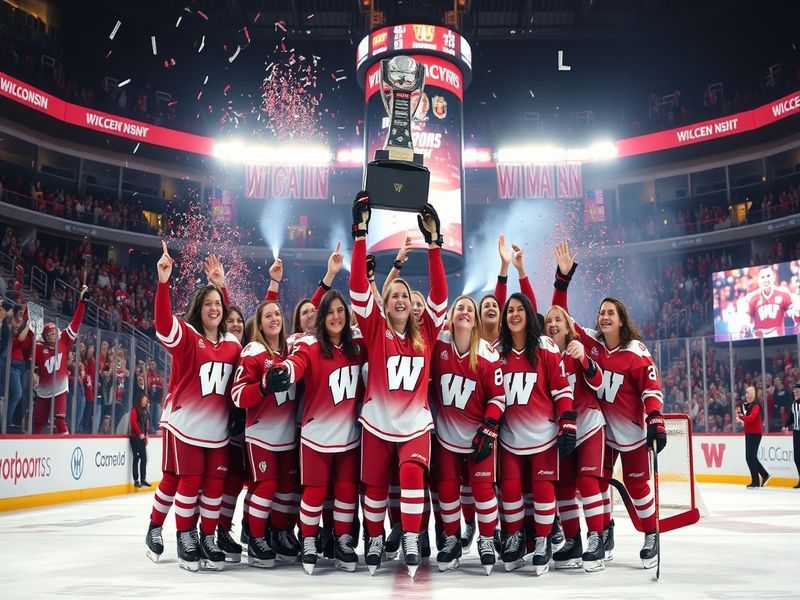
In the frozen landscapes of Madison, Wisconsin, a program has quietly assembled one of the most dominant forces in collegiate athletics. The University of Wisconsin’s women’s hockey team isn’t just another team—it’s a perennial contender that has redefined excellence in women’s college sports. With seven national championships since 2006, the Badgers have transformed from a competitive program into a hockey powerhouse that commands respect across the nation.
The Badgers’ success extends beyond mere statistics. Their consistent performance has elevated the profile of women’s hockey in the Midwest, proving that programs don’t need coastal prestige to achieve greatness. The team’s ability to attract top-tier talent from across North America while developing homegrown stars speaks to the program’s deep roots in the community. Wisconsin women’s hockey isn’t just about winning games—it’s about building a culture that values discipline, skill development, and competitive fire.
The Coaching Philosophy That Built a Dynasty
At the heart of Wisconsin’s hockey dominance is a coaching staff led by head coach Mark Johnson, a former Olympic gold medalist who understands what it takes to win at the highest levels. Johnson’s approach blends tactical precision with an unrelenting work ethic, creating an environment where players are pushed to their limits while being supported through the process.
Assistant coaches Lauren McNamara and Tom Boback bring complementary strengths to the program. McNamara, a former Badger player herself, provides a direct connection to the team’s culture and expectations. Her role in player development has been crucial in maintaining the program’s high standards. Boback, meanwhile, brings a wealth of experience in systems development and goaltending techniques, ensuring that Wisconsin remains at the forefront of tactical innovation.
The coaching staff’s ability to adapt is a key factor in their sustained success. Whether adjusting to new NCAA regulations or developing strategies against evolving opponents, the Badgers consistently find ways to stay ahead. This adaptability has allowed them to maintain their competitive edge even as other programs have caught up in talent and resources.
Player Development: From Freshmen to Champions
Wisconsin’s player development pipeline is one of the most effective in college hockey. The program’s emphasis on individual growth ensures that players not only meet the team’s standards but exceed them. Freshmen are often thrown into high-pressure situations early, learning the demands of collegiate hockey while contributing to the team’s success.
The Badgers’ development model focuses on three core pillars: skill refinement, hockey IQ, and physical conditioning. Players benefit from year-round training regimens that include on-ice sessions, strength training, and film study. This comprehensive approach has produced numerous All-Americans and future Olympians, many of whom have gone on to play professionally in leagues like the PWHL.
One standout example is forward Casey O’Brien, who transitioned from a role player to a key offensive contributor during her collegiate career. Her development under Wisconsin’s system highlights the program’s ability to maximize each player’s potential, regardless of their starting point.
The Badgers’ Rivalries: Fueling the Fire in the Heartland
No discussion of Wisconsin women’s hockey would be complete without examining the fierce rivalries that have defined the program’s recent history. The Badgers’ battles with Minnesota, Clarkson, and Ohio State aren’t just games—they’re high-stakes showdowns that fuel the team’s competitive spirit.
The most storied rivalry in the program’s history is undoubtedly against the Minnesota Golden Gophers. The annual “Border Battle” is one of the most anticipated events in women’s college hockey, drawing large crowds and national attention. The intensity of these matchups has only grown in recent years, with both programs trading championships and pushing each other to new heights.
- Minnesota Rivalry: The annual Border Battle is a highlight of the college hockey calendar, featuring top-ranked teams and sold-out crowds. The rivalry has produced some of the most dramatic games in program history, including multiple overtime thrillers.
- Clarkson Rivalry: The Badgers and Clarkson Golden Eagles have met in several NCAA championship games, creating a rivalry built on postseason success. Their battles are known for their physicality and high-scoring affairs.
- Ohio State Rivalry: A newer but increasingly intense rivalry, Ohio State has emerged as a consistent challenger in the WCHA. The Badgers’ ability to maintain their edge against the Buckeyes has been crucial in their recent dominance.
These rivalries aren’t just about bragging rights—they’re a driving force behind the team’s culture. The Badgers’ ability to perform under pressure in these high-stakes games is a testament to their mental toughness and preparation.
Impact Beyond the Ice: Building a Legacy in Women’s Hockey
The Wisconsin women’s hockey program’s influence extends far beyond the rink. Through community engagement, outreach programs, and media appearances, the Badgers have become ambassadors for the sport, inspiring the next generation of players.
The program’s commitment to growing women’s hockey is evident in its support for youth clinics and local leagues. Many current and former Badgers players volunteer their time to mentor young athletes, fostering a deeper connection between the program and the community. These efforts have helped Wisconsin become a hub for hockey development in the Midwest, attracting talent from across the region.
Media coverage of the team has also played a role in elevating the sport’s profile. Highlight reels of the Badgers’ fast-paced, skilled play have gone viral on platforms like Dave’s Locker Sports, drawing new fans to the sport. The team’s success has even led to increased attendance at women’s hockey games across the country, proving that excellence on the ice translates to growing interest off it.
The Future of Wisconsin Hockey
As the Badgers look ahead, the program remains focused on sustaining its culture of excellence. With a strong recruiting pipeline and a proven development system, Wisconsin is well-positioned to continue its dominance in women’s college hockey.
One area of focus is the transition to the new Big Ten women’s hockey conference, which promises to bring even more competition and visibility to the sport. The Badgers’ ability to adapt to this new landscape will be critical in maintaining their status as a perennial contender.
Another key factor is the program’s relationship with the broader hockey community. By continuing to invest in youth programs and collaborate with other institutions, Wisconsin can help grow the sport at all levels. This holistic approach ensures that the Badgers aren’t just building a dynasty—they’re building the future of women’s hockey.
Conclusion: More Than Just a Team
Wisconsin women’s hockey is more than a program with a trophy case full of championships. It’s a testament to what can be achieved through discipline, innovation, and a commitment to excellence. The Badgers have set a standard for collegiate athletics, proving that greatness isn’t confined to a specific region or resource level.
As the team continues to compete at the highest level, its legacy will endure not just in the records and accolades but in the lives of the players who have worn the cardinal and white. For fans, the Badgers represent the pinnacle of women’s hockey—a team that plays with heart, skill, and relentless determination.
Whether you’re a longtime follower of the sport or a newcomer to women’s hockey, Wisconsin’s story is one worth watching. The Badgers aren’t just building a dynasty; they’re shaping the future of the game.