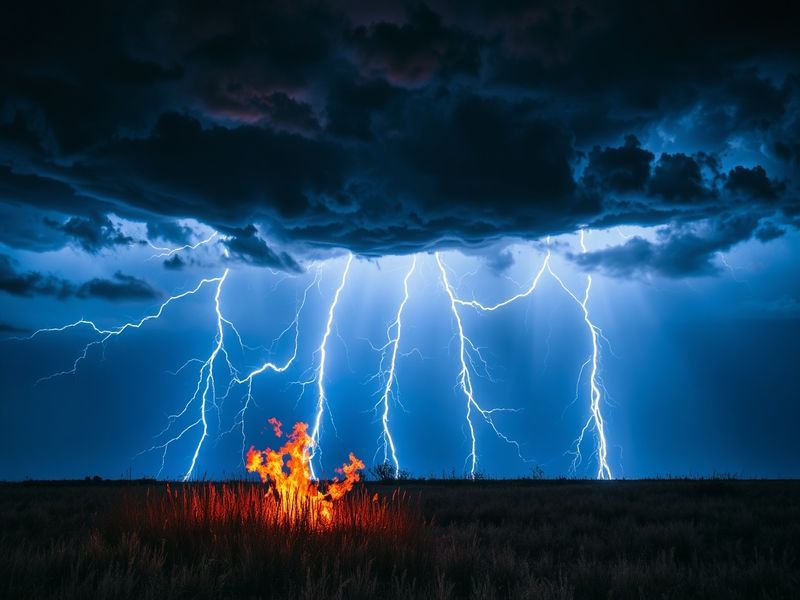
Understanding Lightning and Flames: Nature’s Dual Forces
Lightning and flames represent two of nature’s most powerful and awe-inspiring phenomena. Each has its own distinct characteristics, cultural significance, and implications for human life. While both can cause destruction, they also play vital roles in ecosystems and human history. This article will explore the contrasts and connections between lightning and flames, highlighting their impacts across various cultures and environments.
The Science Behind Lightning and Flames
Lightning is an electrical discharge that occurs during storms. It is a natural phenomenon caused by the buildup of electrical charges within clouds, resulting in a sudden release of energy. This release creates a bright flash and a loud clap of thunder. The average temperature of a lightning bolt can reach around 30,000 degrees Fahrenheit, hotter than the surface of the sun.
On the other hand, flames are the visible part of a fire, produced by the combustion of materials. The chemistry of flames involves the reaction of oxygen with a fuel source, releasing heat and light. Unlike lightning, flames can be sustained for longer periods, depending on the availability of fuel and oxygen. They can vary in color, temperature, and intensity based on the materials being burned.
Cultural Significance of Lightning and Flames
Throughout history, lightning and flames have held significant cultural meanings across various societies. In many cultures, lightning is often seen as a powerful force of nature, sometimes associated with deities or divine intervention. For example, in ancient Greek mythology, Zeus wielded lightning bolts as a symbol of his authority. Similarly, in Hinduism, the god Indra is often depicted with a thunderbolt, showcasing the reverence for lightning as a divine force.
Flames, on the other hand, have been integral to human survival and development. Fire has been used for warmth, cooking, and protection. In numerous cultures, fire rituals symbolize purification and renewal. The Olympic flame, for instance, represents peace and unity, originating from ancient Greece where it was used during the Olympic Games. The significance of fire extends beyond practical uses; it embodies transformation and resilience.
The Impact of Lightning and Flames on the Environment
Both lightning and flames play crucial roles in shaping ecosystems. Lightning ignites wildfires, which can seem destructive but are essential for certain habitats. Many plant species, like sequoias, rely on the heat from fire to release seeds and promote new growth. Wildfires can rejuvenate landscapes, allowing for a diverse range of flora and fauna to thrive.
However, the increasing frequency of wildfires due to climate change poses a significant threat to biodiversity and human habitation. The interplay between lightning strikes and climate conditions can lead to devastating fires that alter entire ecosystems.
Conversely, flames from controlled burns are used in land management practices to maintain healthy ecosystems. These burns help reduce fuel loads in forests, decrease the risk of uncontrolled wildfires, and promote the growth of native plant species. The careful management of fire demonstrates its dual nature—both a threat and a tool for ecological balance.
Key Differences Between Lightning and Flames
- Nature: Lightning is an electrical discharge, while flames are the result of combustion.
- Duration: Lightning is instantaneous, whereas flames can last for extended periods.
- Temperature: Lightning is significantly hotter than most flames.
- Impact: Lightning can cause wildfires and destruction, while flames can be both beneficial and harmful depending on their management.
Conclusion: Embracing the Duality of Lightning and Flames
Lightning and flames are more than mere natural phenomena; they embody the duality of power and destruction, creation and transformation. As we continue to witness changes in climate and environmental patterns, understanding the roles of these forces becomes increasingly important. By appreciating their cultural significance and ecological impacts, we can learn to respect and manage them more effectively. Whether through folklore or scientific inquiry, lightning and flames will always be intertwined in our shared human experience.
For more insights into the natural world, check out our Science section or explore the Culture category for a deeper understanding of how nature shapes our lives.