Understanding Tenerife’s Climate
Tenerife, the largest of the Canary Islands, is renowned for its pleasant weather year-round. This volcanic island offers a diverse climate thanks to its varied topography, making it a prime destination for tourists seeking sun and adventure. The weather can significantly influence travel plans, outdoor activities, and even local agriculture.
The island’s climate is classified as subtropical, with mild temperatures and low rainfall. However, the weather can vary dramatically from one part of the island to another. Coastal areas enjoy warm temperatures, while the mountainous regions can be much cooler. This unique climatic condition makes Tenerife an interesting case study for meteorologists and travelers alike.
Seasonal Variations in Tenerife
Throughout the year, Tenerife experiences two main seasons: a warm, dry summer and a mild, wetter winter. Understanding these seasonal variations can help visitors plan their trips more effectively.
- Summer (June to September): This season is characterized by warm temperatures averaging around 28°C (82°F) along the coast. Rainfall is minimal, making it the peak tourist season.
- Autumn (October to November): Temperatures begin to drop slightly, averaging 24°C (75°F). Rainfall becomes more frequent, particularly in November.
- Winter (December to February): Winter temperatures range from 15°C (59°F) to 22°C (72°F). While the coastal areas remain mild, the Teide National Park can experience snow, creating a unique contrast.
- Spring (March to May): This season sees a gradual increase in temperatures, averaging 22°C (72°F). Rainfall decreases, making it an excellent time for hiking and outdoor activities.
Microclimates of Tenerife
Tenerife’s microclimates are a fascinating aspect of its weather. The island’s topography creates distinct climatic zones, which can affect everything from the flora and fauna to the types of activities available. Here are some notable microclimates:
- North Coast: This area is generally cooler and wetter, with lush vegetation and more cloud cover.
- South Coast: Known for its sunny skies and warm temperatures, the south coast is a popular spot for beachgoers and sun-seekers.
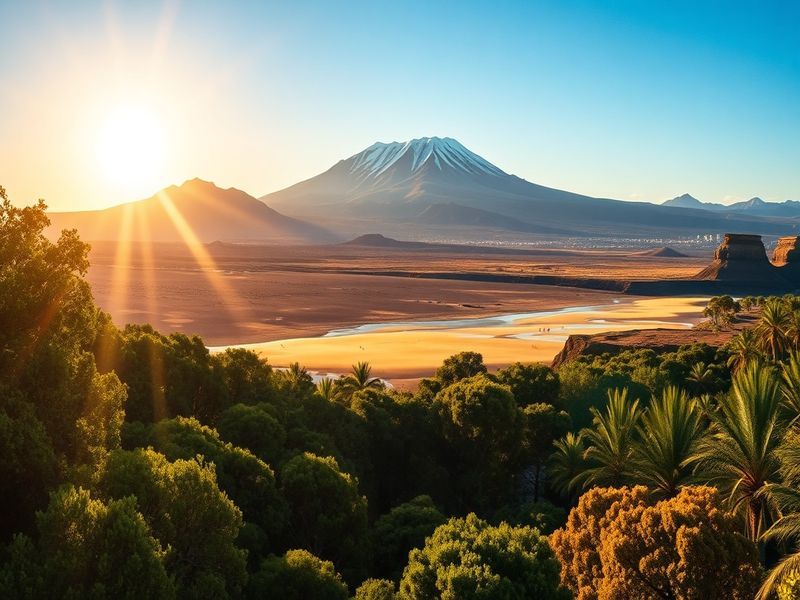
- Teide National Park: Home to Spain’s highest peak, this region can experience snow in the winter months, providing a stark contrast to the coastal weather.
- West Coast: This area features dramatic cliffs and a more rugged landscape, with temperatures varying significantly due to elevation changes.
Implications for Tourism and Agriculture
The weather in Tenerife has profound implications for both tourism and agriculture. The island attracts millions of visitors each year, drawn by its sunny weather and diverse activities. The summer months see the highest influx of tourists, which can lead to crowded attractions and increased demand for services.
On the agricultural side, the varying climates allow for a rich diversity of crops. Bananas, tomatoes, and grapes are among the key products thriving in the island’s unique microclimates. However, changes in weather patterns, such as increased rainfall or unseasonable droughts, can impact crop yields and local economies.
Furthermore, climate change poses a significant challenge to Tenerife’s delicate ecosystems. Rising temperatures and shifting weather patterns may alter the island’s biodiversity, affecting both wildlife and agricultural practices. Local authorities are increasingly aware of these challenges and are taking steps to promote sustainable tourism and agricultural practices.
Conclusion
Tenerife’s weather is a crucial aspect of what makes the island an attractive destination. The subtropical climate, characterized by seasonal variations and unique microclimates, offers something for everyone—from sunbathers to hikers. Understanding these climatic patterns can enhance the travel experience and inform local agricultural practices.
As global climate issues continue to evolve, it is essential for both residents and visitors to remain informed about the implications of changing weather patterns. By doing so, one can appreciate not only the beauty of Tenerife but also the importance of preserving its unique environment.
For more information on travel tips and insights, visit our Travel section or explore Weather Insights for detailed analyses.