Overview of French Mayoral Elections
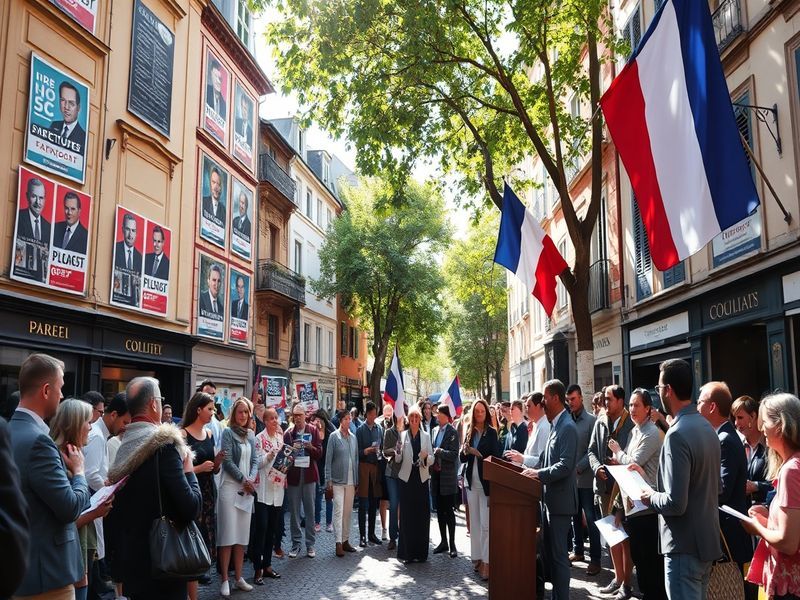
The French mayoral elections are a significant component of the country’s political landscape. These elections occur every six years, allowing citizens to choose their local leaders. Mayors play a crucial role in managing municipal affairs, influencing local policies, and representing the interests of their communities. The most recent mayoral elections took place in 2020, which saw a mix of traditional parties and new political movements vying for control.
Key Players in the 2020 Elections
In the 2020 elections, several major political parties were represented, each with their own platforms and candidates. The main players included:
- La République En Marche! – The party of President Emmanuel Macron, which aimed to capitalize on its national momentum.
- The Republicans – A traditional center-right party, focused on local governance and security issues.
- Socialist Party – Once dominant in French politics, they worked to maintain their foothold in key cities.
- Green Party – Gaining traction, especially in urban areas, with a strong focus on environmental issues.
Additionally, several independent candidates emerged, appealing to voters seeking alternatives to established parties. The rise of these independents reflects a growing discontent with traditional political structures.
Impact of Voter Turnout
Voter turnout is a critical factor in the success of any election. In 2020, turnout for the first round of the mayoral elections was notably low, at around 44%. This decline can be attributed to a variety of factors, including the ongoing COVID-19 pandemic, which discouraged many voters from participating in person.
Low voter turnout can skew election results and diminish the legitimacy of elected officials. Local governments often rely on the active engagement of their constituents to drive effective policy-making. To address this, various initiatives were proposed to encourage greater participation in future elections.
Challenges Faced by Mayors Post-Election
After the elections, newly elected mayors faced a myriad of challenges. The COVID-19 pandemic continued to affect local governance, forcing mayors to adapt rapidly to changing health guidelines and economic conditions.
Some of the key challenges included:
- Public Health Management: Ensuring the safety of citizens while managing local healthcare resources.
- Economic Recovery: Addressing the economic fallout from lockdowns and supporting local businesses.
- Social Cohesion: Bridging divides within communities and fostering unity in times of uncertainty.
- Environmental Policies: Implementing sustainable practices in response to climate change concerns.
These challenges require mayors to be adaptable and innovative, as they navigate the complexities of local governance in an ever-changing environment.
The Future of Mayoral Elections in France
Looking ahead, the future of mayoral elections in France will likely see the continued evolution of political dynamics. As new parties and movements rise, traditional parties may need to reassess their strategies to remain relevant. The growing emphasis on environmental issues will also shape campaign platforms in the coming years.
Moreover, addressing voter apathy will be crucial for the health of France’s democratic processes. Engaging younger voters and promoting civic education could play pivotal roles in increasing participation in future elections.
As these elections approach, the political landscape in France will undoubtedly shift, reflecting the needs and desires of its citizens. The ability of mayors to respond effectively to local and national challenges will determine their success and the future of their municipalities.
For more insights and updates on political events, visit our Politics section. Explore additional articles on News for the latest developments in France and beyond.