Understanding Women’s March Madness
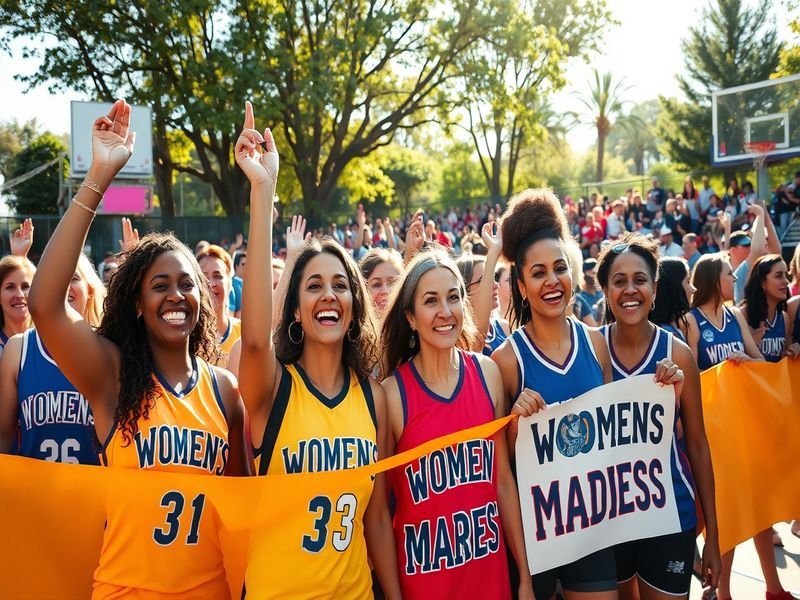
Women’s March Madness has evolved into one of the most anticipated events in collegiate sports. Each year, the NCAA Women’s Basketball Tournament captivates audiences with thrilling games and remarkable athleticism. While the men’s tournament often dominates headlines, the women’s competition has steadily gained visibility and respect. This shift reflects broader changes in gender equality within sports.
The Rise of Women’s Basketball
In recent years, women’s basketball has seen significant growth in popularity, both at the collegiate and professional levels. The NCAA Women’s Basketball Tournament has become a showcase of talent, featuring rising stars who often go on to have successful careers in the WNBA and international leagues.
Key factors contributing to this rise include:
- Increased Media Coverage: Major networks are dedicating more airtime to women’s games, allowing fans to follow their favorite teams and players.
- Improved Athletic Performance: The level of play has dramatically improved, with athletes showcasing skills that rival their male counterparts.
- Support from Brands: Sponsorships and endorsements from major brands are helping to elevate the profile of women’s sports.
Impact on Society and Culture
The growing prominence of women’s basketball has implications that extend beyond the court. It promotes gender equality in sports, inspiring young girls to pursue athletics. The visibility of female athletes challenges stereotypes and encourages a shift in societal perceptions regarding women’s capabilities.
Additionally, the success of women’s basketball can influence other areas, such as:
- Increased Participation: More girls are motivated to play sports, leading to healthier lifestyles and improved self-esteem.
- Role Models: Female athletes serve as role models, showing that success is attainable regardless of gender.
- Advocacy for Equal Pay: The discussion surrounding pay equity in sports has gained traction, thanks in part to the spotlight on women’s tournaments.
Challenges Ahead
Despite the progress made, challenges remain. Women’s sports, including basketball, still receive less funding and fewer resources compared to men’s programs. This disparity affects everything from training facilities to media representation.
Moreover, the ongoing fight for equal pay persists. While notable strides have been made, such as the recent collective bargaining agreements in the WNBA, the gap between male and female athletes’ earnings is still significant.
Addressing these challenges requires concerted efforts from various stakeholders, including:
- Universities and athletic programs to invest more in women’s sports.
- Media outlets to provide equal coverage of women’s events.
- Fans to support women’s teams, both emotionally and financially.
Conclusion
Women’s March Madness is not merely a sporting event; it represents a movement towards equality and recognition in athletics. With increased visibility, improved performance, and strong advocacy, women’s basketball is poised to continue its growth. The implications of this evolution are profound, influencing societal views and inspiring future generations. As we continue to support and elevate women’s sports, we not only celebrate athletic achievement but also champion the cause of equality in all areas of life.