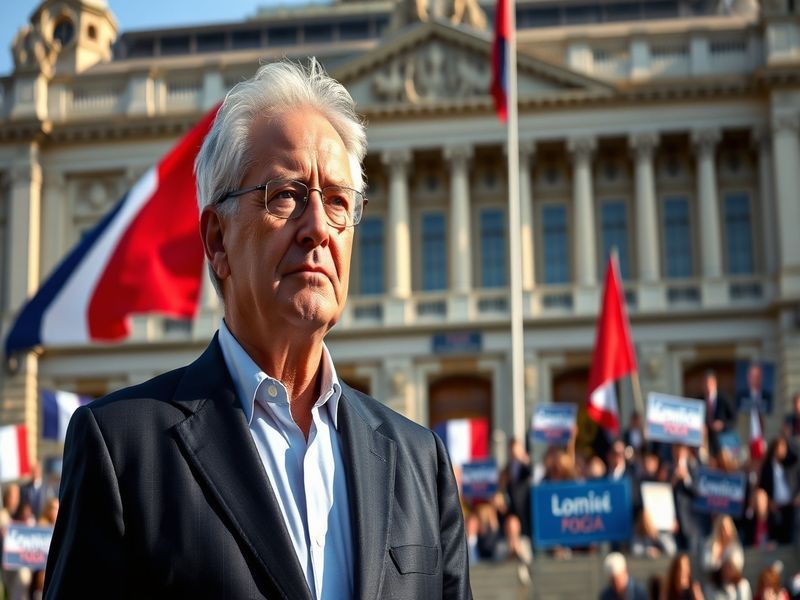
Exploring the Political Legacy of Lionel Jospin
Introduction to Lionel Jospin
Lionel Jospin, a prominent figure in French politics, served as Prime Minister from 1997 to 2002. His tenure marked a significant period in France’s political landscape, characterized by the implementation of various social reforms and a focus on economic issues. Jospin’s leadership style and policies reflected the changing tides of the late 20th century, influencing not only France but also shaping broader European political dynamics.
Political Career and Ascension
Born on July 12, 1937, in the suburb of Bonnétable, Jospin pursued a career in public service and academia before entering politics. He joined the Socialist Party in the early 1970s and quickly rose through the ranks. His early political career included roles as a member of the National Assembly and as Minister of Education.
Jospin’s ascent to the premiership came during a period of political realignment in France. The Socialist Party, under his leadership, formed a coalition government known as the “Plural Left,” which included several leftist parties. This coalition aimed to counter the influence of the right-wing parties that had dominated French politics in the previous decade.
Key Policies and Reforms
During his time as Prime Minister, Jospin implemented numerous policies aimed at addressing social inequality and economic challenges. Some of the key reforms included:
- 35-Hour Workweek: One of Jospin’s most notable achievements was the introduction of the 35-hour workweek, aimed at reducing unemployment and improving work-life balance.
- Social Security Reforms: His government worked to enhance social security systems, focusing on health care and pensions.
- Education Initiatives: Jospin prioritized education reform, increasing funding for schools and promoting equal access to education.
- Environmental Policies: His administration also emphasized sustainable development, introducing measures to combat climate change.
These reforms were not without controversy. While they garnered support from many citizens, they also faced criticism from business leaders and conservative factions who argued that such policies could stifle economic growth.
Legacy and Global Impact
Jospin’s legacy is multifaceted. On one hand, he is remembered for his commitment to social justice and economic reform. On the other, his tenure was marked by challenges, including rising unemployment and public discontent towards the end of his term. His decision to withdraw from the 2002 presidential race after a surprising first-round defeat is often seen as a pivotal moment in his political career.
Globally, Jospin’s policies influenced leftist movements in other countries. His approach to governance, which emphasized coalition-building and social equity, resonated with politicians in Europe and beyond. The rise of social democracy in various nations during the late 1990s and early 2000s can, in part, be traced back to the ideological battles fought during Jospin’s time in office.
Conclusion
Lionel Jospin’s political journey is a testament to the complexities of governance in a rapidly changing world. His policies reflected a deep commitment to social justice and economic reform, encapsulating the aspirations of many French citizens during his tenure. While his time in office ended on a challenging note, the impact of his leadership continues to be felt in contemporary politics. The lessons learned from his administration remain relevant as nations grapple with social inequalities and the demands of globalization.
For more insights into the world of politics, visit our Politics section, or explore our News category for the latest updates on global affairs.