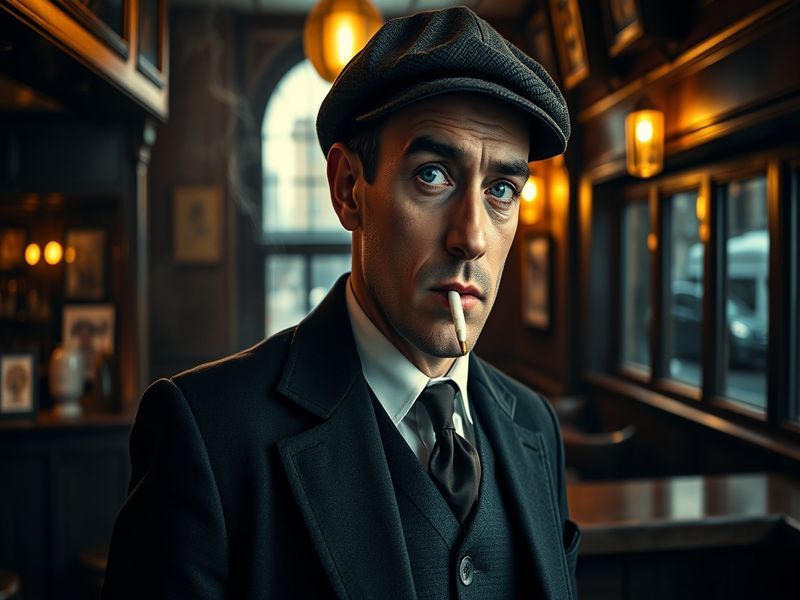
Understanding Tommy Shelby: The Iconic Anti-Hero
Tommy Shelby, portrayed by Cillian Murphy, stands at the center of the critically acclaimed series “Peaky Blinders.” As the leader of the Shelby crime family, Tommy embodies the complexities of an anti-hero. His character, shaped by the aftermath of World War I, reflects the struggles of returning soldiers and the harsh realities of life in post-war Birmingham.
Throughout the series, Tommy’s character evolves significantly. Initially introduced as a cunning and ruthless gangster, he reveals layers of depth that make him both relatable and tragic. His ambition drives him to expand the family’s criminal empire, yet his past traumas constantly haunt him, shaping his decisions and relationships.
Key Traits of Tommy Shelby
Tommy Shelby is characterized by several traits that contribute to his enduring appeal:
- Intelligence: Tommy is not only street-smart but also strategic. His ability to outmaneuver rivals showcases his keen intellect.
- Charisma: His charm allows him to forge alliances and manipulate situations to his advantage.
- Resilience: Tommy’s experiences in the war have instilled in him a relentless determination to overcome obstacles.
- Complex Morality: While he engages in illegal activities, his motivations often stem from a desire to protect his family and community.
These traits make him a compelling character, and viewers often find themselves torn between admiration and disapproval. Tommy’s moral ambiguity invites audiences to reflect on the nature of good and evil, challenging traditional notions of heroism.
Tommy’s Relationships: A Double-Edged Sword
Relationships play a crucial role in Tommy Shelby’s narrative. His interactions with family, friends, and adversaries reveal his vulnerabilities and strengths. The dynamics with his brothers, Arthur and John, illustrate the bonds of loyalty and the strains of family expectations. Arthur, in particular, embodies the darker aspects of their lifestyle, often contrasting Tommy’s more calculated approach.
Moreover, Tommy’s romantic entanglements add another layer of complexity. His love for Grace Burgess is a significant plot point, representing a fleeting chance at happiness amidst chaos. The tragic arc of their relationship highlights Tommy’s internal conflict between love and duty.
Thematic Depth in “Peaky Blinders”
“Peaky Blinders” is rich in themes that resonate beyond the surface of its narrative. Power, class struggle, and the impact of war are central motifs that shape the story. Tommy’s rise from a small-time bookmaker to a powerful figure illustrates the social mobility of the time, albeit through morally questionable means.
The series also delves into the psychological effects of war. Tommy’s PTSD manifests in various ways, influencing his decisions and relationships. This portrayal sheds light on the broader societal issues faced by veterans, making Tommy’s character relatable to many viewers.
Additionally, the show’s stylized aesthetic, from its fashion to its music, enhances its thematic depth. The anachronistic soundtrack, featuring contemporary artists, juxtaposes the historical setting, creating a unique viewing experience.
Conclusion: The Legacy of Tommy Shelby
Tommy Shelby’s character serves as a lens through which viewers can explore complex themes of morality, trauma, and ambition. His journey, marked by triumphs and tragedies, resonates with audiences and cements his status as an iconic figure in television history. As “Peaky Blinders” continues to captivate viewers, the legacy of Tommy Shelby endures, prompting discussions about the nature of heroism and the consequences of one’s choices.
For more insights into the world of “Peaky Blinders,” visit our Entertainment section. To explore other characters and themes, check out our Culture articles.