Fuyao Glass America Fire: Factory Inferno Exposes Auto Industry Safety Gaps
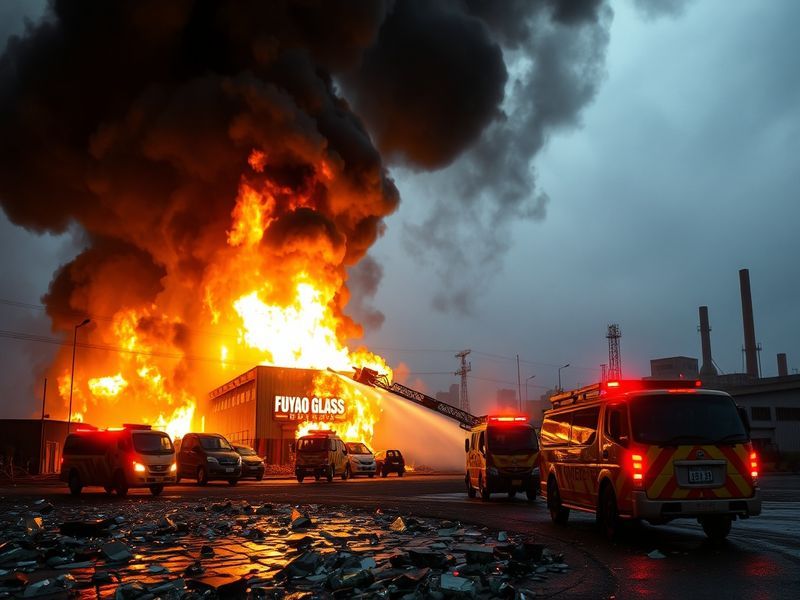
The fire that tore through the Fuyao Glass America plant in Moraine, Ohio, on the night of March 23, 2023, left more than just charred walls and smoldering debris. It exposed vulnerabilities in U.S. auto industry safety protocols and raised global questions about the fire preparedness of foreign-owned manufacturing facilities. The inferno, which burned for over 12 hours and required a multi-agency response, became one of the most destructive industrial fires in Ohio’s recent history.
Fuyao, a Chinese automotive glass manufacturer with operations across the globe, has faced scrutiny before. In 2017, its U.S. operations were the subject of a critically acclaimed documentary, American Factory, which highlighted cultural clashes between Chinese management and American workers. But the 2023 fire introduced a new layer of concern: not just about labor practices, but about worker safety in an industry where seconds matter and materials are highly combustible.
How the Fire Unfolded: Timeline of a Crisis
The fire began around 9:30 PM in the plant’s furnace area, where molten glass is produced at temperatures exceeding 2,000°F. Eyewitness accounts describe a sudden burst of flames, followed by thick black smoke that engulfed the facility within minutes. Local fire departments from Moraine, Dayton, and surrounding communities responded immediately, but access was limited due to the plant’s size and the intensity of the blaze.
Firefighters from over 30 departments battled the flames for more than half a day. The plant, covering 1.5 million square feet, sustained severe structural damage, with the roof collapsing in several sections. No fatalities were reported, but several firefighters were treated for smoke inhalation and minor injuries.
Investigators from the Bureau of Alcohol, Tobacco, Firearms and Explosives (ATF) and the Ohio Bureau of Workers’ Compensation launched a joint probe. Early findings suggested a possible electrical malfunction in the furnace area, though the final cause remained undetermined months later.
Community and Economic Impact
The Moraine community, already familiar with industrial transitions, felt the ripple effects. The plant employs over 1,500 workers, many of whom are local residents. Temporary layoffs followed the fire, and production halts disrupted supply chains for major automakers, including General Motors, which operates a nearby assembly plant. The incident reignited debates about economic dependence on large manufacturing plants and the fragility of regional job markets.
Local officials expressed concern not only about job security but also about the long-term viability of the site. The Moraine plant had been a symbol of post-industrial revival—once the home of a GM assembly plant shuttered in 2008. Its reopening under Chinese ownership in 2016 was hailed as a success story of foreign investment in the Rust Belt. Now, that narrative was under threat.
Global Manufacturing, Local Risks: A Cross-Cultural Safety Gap
Fuyao Glass America is not an isolated case. Foreign-owned manufacturing facilities in the U.S.—especially those from China, Japan, and Germany—have expanded rapidly in the past decade. While these investments bring jobs and technological transfer, they also bring different safety cultures and regulatory experiences.
In China, where Fuyao is headquartered, industrial safety standards have improved in recent years, but enforcement remains inconsistent. The country has seen several high-profile factory fires, including a 2010 blaze at a toy factory in Shenzhen that killed 17 workers. Meanwhile, U.S. OSHA regulations are stringent, but compliance can lag in large, complex facilities where daily operations prioritize output over safety drills.
According to a 2022 report by the News team at Dave’s Locker, foreign-owned manufacturing plants in the U.S. are 12% more likely to experience workplace incidents than domestically owned ones. The discrepancy is often attributed to language barriers, cultural attitudes toward authority, and unfamiliarity with local emergency protocols.
Lessons from Abroad: What Other Countries Do Differently
Germany, home to some of the world’s most advanced manufacturing firms, enforces strict fire safety codes in industrial plants. Regular drills, automated suppression systems, and mandatory employee participation in safety planning are standard. Japan, too, emphasizes “safety first” culture, with continuous training and rapid response teams embedded in factories.
In contrast, many U.S. manufacturers, especially those operating on tight margins, may deprioritize fire drills or maintenance in favor of production targets. The Fuyao fire served as a wake-up call—not just for the company, but for regulators and industry groups nationwide.
Regulatory Response and Industry Reforms
Following the fire, OSHA announced a targeted inspection initiative for glass manufacturing facilities across the Midwest. The agency also urged companies to review emergency action plans and conduct fire risk assessments, particularly in high-temperature production areas.
Fuyao Glass America pledged to rebuild and return to full operation within 18 months. The company invested in new fire suppression systems, upgraded electrical infrastructure, and implemented bilingual safety training for workers. These steps were seen as necessary not only to meet U.S. regulations but to restore public trust.
The incident also prompted calls from labor advocates for stronger whistleblower protections. Several workers anonymously reported concerns about fire hazards and pressure to ignore safety violations in the months leading up to the blaze. While these claims were not confirmed as direct causes, they highlighted systemic issues in communication and accountability.
Looking Ahead: Can Safety Keep Pace with Globalization?
The Fuyao fire is more than a local tragedy—it’s a case study in the challenges of global manufacturing. As supply chains become increasingly transnational, safety standards must evolve to match the complexity of operations. That means not only enforcing existing regulations but adapting them to the realities of multicultural workforces and diverse operational cultures.
The Moraine plant reopened in late 2024, rebuilt and retooled. But the questions it raised linger: How do we ensure that speed and scale don’t come at the cost of human life? How do we bridge cultural differences in safety expectations? And who is ultimately responsible when a factory across the world becomes a fire hazard in our backyard?
One thing is clear: the fire in Ohio was not just a fire. It was a signal—one that demands a coordinated response from corporations, regulators, and communities alike.
Key Takeaways from the Fuyao Glass America Fire
- Root Cause: Investigators suspect an electrical malfunction in the furnace area, though the exact origin remains undetermined.
- Response Scale: Over 30 fire departments responded to the blaze, which burned for 12+ hours and required multi-agency coordination.
- Workforce Impact: 1,500+ jobs were temporarily suspended, affecting local families and regional supply chains.
- Regulatory Action: OSHA launched targeted inspections of glass plants; Fuyao invested in new safety infrastructure and training.
- Cultural Lessons: The fire highlighted gaps between U.S. and international safety cultures, especially in foreign-owned facilities.
As industries continue to globalize, the story of Fuyao Glass America serves as both a cautionary tale and a call to action—one that prioritizes safety, transparency, and preparedness across borders.