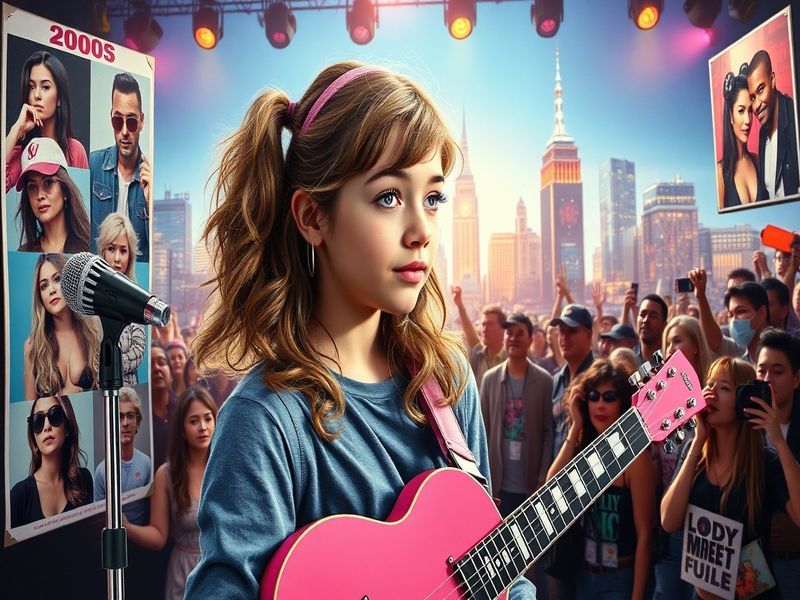
From Disney Channel to Global Domination
Few television series have left as indelible a mark on pop culture as Hannah Montana, a Disney Channel original that premiered in 2006. Created by Michael Poirier and Rich Correll, the show became a defining moment for a generation of viewers who came of age in the late 2000s. At its core, Hannah Montana blended the mundane with the extraordinary, following Miley Stewart—a seemingly ordinary teenager by day and a pop superstar by night—as she navigated the complexities of fame, identity, and adolescence.
The show’s premise was deceptively simple yet universally relatable. Miley’s double life mirrored the dualities many young people experience: the desire for privacy amid public scrutiny, the pressure to maintain perfection while grappling with imperfections, and the struggle to reconcile personal desires with familial expectations. What set Hannah Montana apart, however, was its timing. It arrived during a cultural shift where social media was beginning to amplify celebrity culture, making the show’s themes even more resonant.
The Music That Defined an Era
No discussion of Hannah Montana would be complete without acknowledging its musical legacy. The series spawned a franchise of albums, tours, and singles that dominated charts worldwide. Miley Cyrus’s portrayal of Hannah Montana culminated in three platinum-selling soundtracks, with hits like “The Best of Both Worlds” and “Nobody’s Perfect” becoming anthems for a generation. The music was a carefully crafted blend of bubblegum pop and teen-friendly rock, designed to appeal to a broad audience while maintaining a distinct Disney Channel sound.
Beyond the fictional Hannah Montana, Miley Cyrus emerged as a bona fide pop star in her own right. Her transition from teen idol to a more mature, edgy artist in later years was a testament to the show’s ability to nurture talent. The soundtracks didn’t just sell millions of copies; they also introduced a global audience to the idea that a Disney Channel star could crossover into mainstream music. This crossover phenomenon was rare at the time, and Hannah Montana played a pivotal role in proving its viability.
A Global Soundtrack
The show’s music resonated far beyond the United States. In countries like the United Kingdom, Australia, and parts of Europe, Hannah Montana soundtracks topped charts and inspired local cover versions. The phenomenon wasn’t just limited to English-speaking markets. In Latin America, for example, the show’s Spanish-language dubs and localized adaptations helped it reach millions of young viewers who connected with its themes of youth and aspiration. The global success of the music underscored the universal appeal of its messages: the desire for authenticity, the thrill of performance, and the challenges of growing up in the public eye.
The Cultural Impact Beyond the Screen
Hannah Montana wasn’t just a show; it was a cultural touchstone that influenced fashion, language, and even social behavior. The character’s iconic blonde wig, bedazzled microphones, and pastel wardrobe became instantly recognizable symbols. Brands capitalized on the trend, releasing Hannah Montana-inspired merchandise ranging from school supplies to clothing lines. Even today, references to the show appear in memes, TikTok trends, and nostalgic throwbacks, proving its enduring relevance.
The show also sparked conversations about the pressures of fame, particularly for young women in entertainment. Miley Stewart’s character grappled with issues like paparazzi intrusion, identity crises, and the expectations placed on young stars—topics that remain relevant in an era where child stars often grow up in the public eye. Hannah Montana provided a rare, nuanced portrayal of these challenges, even if it did so through a lens of fantasy and lightheartedness.
A Blueprint for Teen Entertainment
The success of Hannah Montana paved the way for other teen-centric franchises, from entertainment juggernauts like iCarly and Victorious to the modern wave of animated and live-action series on platforms like Netflix. Its formula—combining humor, heart, and a touch of musical magic—became a blueprint for networks aiming to capture the teen demographic. The show’s blend of comedy and drama also set a precedent for balancing lighthearted storytelling with deeper themes, a strategy that continues to resonate in today’s television landscape.
The Legacy of Hannah Montana in the Digital Age
As social media evolved, so did the conversation around Hannah Montana. The show’s themes of identity and authenticity took on new dimensions in the age of Instagram and TikTok, where the line between public persona and private self is often blurred. Miley Cyrus’s own transformation from Hannah Montana to her current persona as a pop provocateur became a case study in the fluidity of identity, particularly for women in the public eye.
The show’s revival in 2019, titled Hannah Montana: The Movie, introduced the franchise to a new generation of fans. While the reboot didn’t achieve the same level of cultural saturation as the original, it served as a reminder of the show’s lasting appeal. For many millennials, revisiting the series as adults has brought a mix of nostalgia and critical reflection, highlighting how cultural touchstones evolve with the times.
Lessons for Modern Storytelling
Hannah Montana remains a fascinating study in how entertainment can shape—and be shaped by—its cultural moment. Its success was not just about catchy music or a charismatic lead; it was about tapping into the universal experiences of youth, ambition, and self-discovery. In an era where teen dramas often focus on dystopian futures or supernatural conflicts, the simplicity of Miley Stewart’s double life feels almost radical in its relatability.
The show’s influence can also be seen in the careers of its cast members. Beyond Miley Cyrus, actors like Emily Osment and Mitchel Musso leveraged their Hannah Montana fame into diverse careers in music, acting, and even entrepreneurship. The franchise demonstrated the power of a strong, consistent brand—a lesson that continues to influence how networks and creators approach teen entertainment today.
Conclusion: Why Hannah Montana Still Matters
More than a decade after its finale, Hannah Montana endures as a cultural artifact of the 2000s. Its music still streams on platforms like Spotify, its episodes are available on Disney+, and its themes continue to inspire think pieces and nostalgic retrospectives. The show’s legacy is a testament to the power of storytelling that resonates across generations, even as cultural tastes evolve.
For those who grew up with it, Hannah Montana is more than a childhood memory; it’s a reminder of a time when pop culture felt both magical and accessible. For new audiences, it offers a window into the past—a glimpse of an era when Disney Channel ruled the airwaves and a blonde wig could symbolize the duality of stardom and normalcy. In an entertainment landscape that often prioritizes fleeting trends over lasting impact, Hannah Montana stands as a rare example of a franchise that genuinely left its mark.