Insights into the French Mayoral Elections and Their Implications
Overview of the French Mayoral Elections
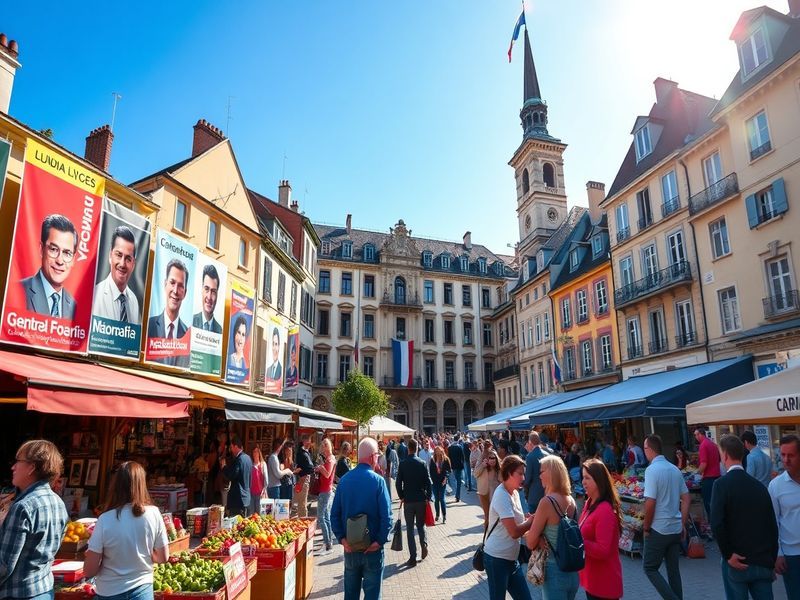
The French mayoral elections are a significant aspect of the country’s political landscape. These elections not only determine local governance but also reflect broader national trends and sentiments. Mayors in France wield considerable power, controlling budgets, local policies, and community initiatives. The elections occur every six years, with the most recent round taking place in March 2020, amidst the backdrop of the COVID-19 pandemic.
Key Players and Their Platforms
The mayoral elections feature a variety of candidates from different political backgrounds. Major parties such as La République En Marche!, The Republicans, and the Socialist Party typically dominate the scene. However, smaller parties and independent candidates can also make significant impacts, especially in urban areas.
Each candidate presents unique platforms, often focusing on local issues such as housing, public transportation, and environmental policies. Here are some key points about the major parties and their typical agendas:
- La République En Marche!: Advocates for modernization and innovation in local governance.
- The Republicans: Focuses on traditional values, economic stability, and security.
- The Socialist Party: Emphasizes social equity, public services, and community engagement.
- Greens (Europe Écologie Les Verts): Prioritizes environmental issues and sustainable urban development.
Voter Engagement and Turnout
Voter turnout in French mayoral elections is crucial for the legitimacy of the elected officials. In 2020, the turnout was notably lower than in previous elections, largely due to the pandemic and related restrictions. This decline raised concerns about voter engagement and the health of democracy at the local level.
Efforts to increase participation include outreach programs aimed at younger voters and marginalized communities. Political parties and civic organizations have recognized the need for innovative approaches to mobilize the electorate. Social media campaigns, community forums, and grassroots movements are becoming increasingly common methods to engage voters.
Broader Implications of Mayoral Elections
The outcome of the mayoral elections often serves as a barometer for national politics. Local elections can indicate how well the ruling party is performing and can influence upcoming national elections. For example, a strong performance by opposition parties at the municipal level may signal discontent with the national government’s policies.
Moreover, mayors play a critical role in implementing national policies at the local level. Their stance on issues such as immigration, public safety, and healthcare can shape community responses and influence public opinion. The interplay between local and national politics is evident in the way mayors advocate for their cities while navigating the demands from the national government.
Conclusion
The French mayoral elections are more than just a local affair; they reflect the pulse of the nation. As communities navigate challenges such as economic recovery, social equity, and environmental sustainability, the role of mayors becomes increasingly significant. Observers will continue to watch how these elections unfold and what they mean for the future of French politics.
For more insights into political trends and analysis, visit our Politics and News sections.