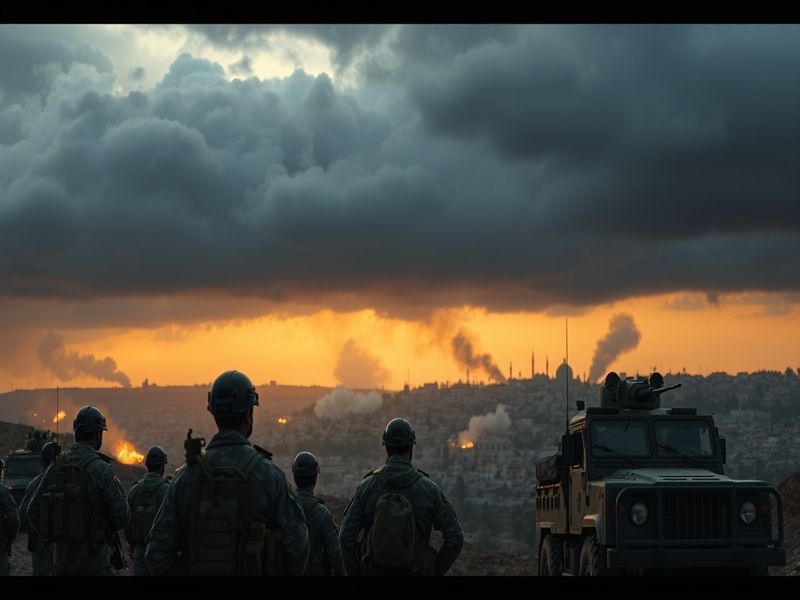
Iran’s Recent Strikes on Israel: A Growing Tension
The recent military actions by Iran against Israel have escalated tensions in the Middle East. This conflict is not merely a series of isolated incidents; it reflects deeper geopolitical dynamics that have been brewing for years. Understanding the context and implications of these strikes is crucial for grasping the evolving landscape of regional security.
Background of the Conflict
The animosity between Iran and Israel is rooted in historical grievances, ideological differences, and regional power struggles. Iran, as a predominantly Shia Muslim nation, views Israel as a primary adversary, particularly due to its relationships with Sunni Arab nations and the United States. This rivalry has manifested in various forms over the decades, culminating in direct military confrontations.
Recent events have intensified this rivalry. Iran’s support for militant groups in Lebanon and Gaza, such as Hezbollah and Hamas, has been a long-standing point of contention for Israel. In turn, Israel has conducted numerous airstrikes against Iranian targets in Syria, aiming to curb Iranian influence in the region. The situation is further complicated by the ongoing conflict in Syria, which serves as a battleground for proxy wars involving multiple nations.
Key Events Leading to the Strikes
Several key incidents have led to the current crisis:
- Increased Iranian military presence in Syria.
- Israel’s airstrikes on Iranian positions in response to perceived threats.
- Escalating rhetoric from both sides, including threats and military posturing.
- Regional developments, such as the normalization of relations between Israel and several Arab states.
These events have created a volatile atmosphere, where miscalculations can easily lead to larger conflicts. The strikes by Iran, therefore, represent both a tactical response to Israel’s actions and a broader strategy to assert its influence in the region.
Broader Implications of the Strikes
The ramifications of Iran’s strikes on Israel extend beyond immediate military concerns. They have significant implications for regional stability, international relations, and global security. Some of the broader implications include:
- Regional Destabilization: The strikes could provoke a military response from Israel, potentially leading to a broader conflict that involves multiple countries.
- Impact on Global Oil Markets: Increased tensions in the Middle East often result in fluctuations in oil prices, affecting economies worldwide.
- Heightened U.S. Involvement: The United States may feel compelled to intervene, further entangling itself in Middle Eastern affairs.
- Shifts in Alliances: Other nations in the region may be forced to reassess their alliances and strategies in response to heightened tensions.
As these dynamics unfold, the international community must grapple with the potential for escalation and the need for diplomatic solutions. The complexity of the situation makes it challenging to predict the next steps for both Iran and Israel.
Conclusion: The Path Forward
In conclusion, the recent Iranian strikes on Israel highlight a critical juncture in Middle Eastern geopolitics. The historical context, coupled with the immediate military actions, underscores the fragility of peace in the region. It is essential for regional and global powers to engage in constructive dialogue to prevent a further escalation of hostilities.
As the situation develops, monitoring the responses from both nations and their allies will be crucial. The potential for conflict remains high, but so does the opportunity for diplomacy. Ultimately, the path forward will depend on the willingness of all parties to seek common ground amidst their differences.
For more insights and updates on geopolitical issues, visit our News and Analysis sections.