Plane Crashes in NYC: Historical Impact and Future Safety
Understanding Plane Crashes in New York City
New York City has a storied history with aviation, marked by both remarkable achievements and tragic incidents. Plane crashes in this bustling metropolis have often left indelible marks on the collective memory of its residents. These events are not only catastrophic in nature but also evoke a myriad of emotions, from fear and sorrow to resilience and unity.
A Historical Overview
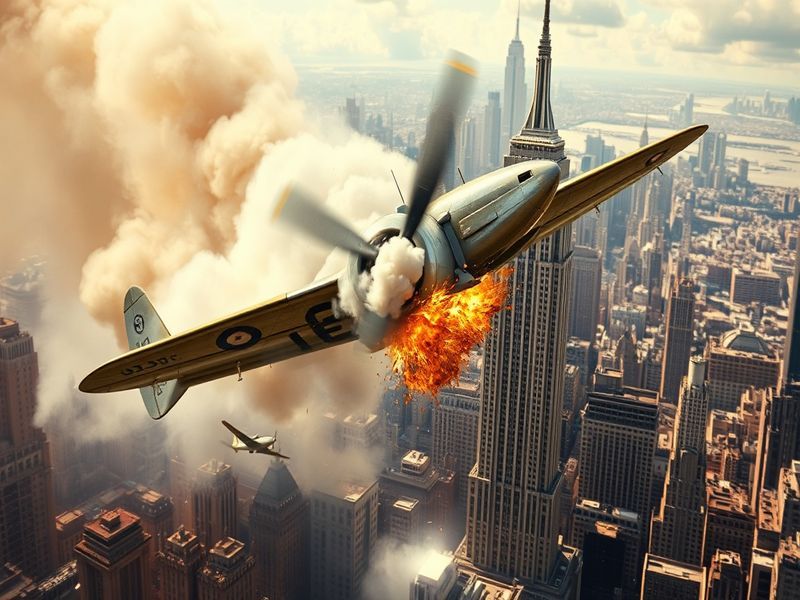
The history of plane crashes in NYC dates back to the early 20th century, with several notable incidents that have shaped aviation regulations and public perception. One of the most infamous crashes occurred on July 28, 1945, when a B-25 bomber collided with the Empire State Building. This tragic accident resulted in the loss of 14 lives and raised significant questions concerning flight safety and air traffic control in urban areas.
In the years following, New York City would witness other significant aviation disasters. The most devastating was the September 11 attacks in 2001, when two commercial airliners were hijacked and flown into the World Trade Center. This event not only affected the lives of thousands but also changed the course of global politics and security measures in air travel.
Causes of Plane Crashes
Understanding the causes of plane crashes is crucial for improving air travel safety. Various factors contribute to these tragic incidents, including:
- Human Error: Pilot mistakes or miscalculations often play a critical role.
- Mechanical Failure: Issues with aircraft systems can lead to catastrophic failures.
- Weather Conditions: Adverse weather can severely impact flight safety and navigation.
- Air Traffic Control Issues: Miscommunication or negligence in air traffic management can lead to collisions.
Each of these factors highlights the complexity of aviation safety and the importance of rigorous training and regulatory measures.
The Cultural Impact of Plane Crashes
The aftermath of plane crashes often extends beyond the immediate loss of life. In New York City, these incidents have profoundly influenced cultural narratives. Memorials and tributes serve not only as reminders of the lives lost but also as symbols of resilience.
For instance, the 9/11 Memorial & Museum stands as a testament to the events of September 11, 2001. It draws millions of visitors each year, fostering a sense of remembrance and reflection. The cultural impact is also evident in the media, with numerous films, documentaries, and books exploring the human stories behind these tragedies.
Safety Improvements and Future Perspectives
In response to past tragedies, the aviation industry has implemented numerous safety enhancements. These improvements include advanced technology in aircraft design, stricter regulations for pilot training, and enhanced air traffic control systems. As a result, commercial aviation has become significantly safer over the decades.
Looking forward, the focus on safety continues to evolve. Emerging technologies, such as artificial intelligence and automation, promise to further reduce the risk of crashes. However, the need for human oversight remains critical, especially in emergency situations.
Moreover, public awareness and education play essential roles in fostering a culture of safety. Encouraging passengers to understand safety protocols and emergency procedures can significantly enhance their overall travel experience.
Conclusion
Plane crashes in New York City serve as poignant reminders of the fragility of life and the complexities of aviation. While the city has experienced its share of tragedies, it has also shown remarkable resilience and an unwavering commitment to safety improvements. As technology advances and regulations tighten, the hope is for a future where air travel is not only safe but also a source of inspiration and connection for people around the world.
For those interested in the broader context of aviation and its implications on society, topics such as sports and cultural narratives offer rich avenues for exploration.