Tottenham Hotspur’s Identity Crisis: Can Post-Mourinho Stability Rebuild a Champion?
Tottenham Hotspur’s 2023-24 season ended not with a bang, but with a whimper—a 1-1 draw against Manchester City in the Premier League finale that felt like a microcosm of the club’s broader struggles. Once the darlings of modern football under Mauricio Pochettino, Spurs now find themselves in a state of existential unease, caught between the ghosts of past ambition and the harsh realities of a league that has moved on.
The Post-Pochettino Void: What Went Wrong?
Jose Mourinho’s 17-month tenure at Tottenham was always going to be a gamble. Appointed in November 2019 with the club languishing in mid-table, Mourinho stabilized the side, steering them to a sixth-place finish and the Champions League. Yet his pragmatic, often abrasive style clashed with Tottenham’s progressive identity. The Portuguese manager’s departure in April 2021 left a void that has not been filled.
Since then, Spurs have cycled through three permanent managers—Ryan Mason (interim), Nuno Espírito Santo, and Antonio Conte—before landing on Ange Postecoglou in the summer of 2023. Each appointment reflected a desperate search for direction. Conte’s ill-fated 11-month reign was particularly damaging, marked by public rifts with players and a refusal to adapt tactics. The club’s inability to build on Pochettino’s legacy speaks to deeper issues: poor recruitment, a fractured boardroom, and a fanbase increasingly disillusioned with the revolving door of managers.
Under Postecoglou, Spurs have rediscovered some attacking verve, but inconsistency has remained a hallmark. The 2023-24 season saw them finish eighth, 20 points adrift of champions Manchester City. While the 4-1 thrashing of Chelsea in February offered fleeting hope, the 6-1 humiliation at Newcastle in December and the 4-1 defeat to Aston Villa in March underscored the fragility of this project.
Key Reasons Behind Tottenham’s Decline
- Managerial Instability: Five permanent coaches in six years have prevented any coherent project from taking root. The board’s impatience and failure to back any single vision have been costly.
- Recruitment Failures: High-profile signings like Pierre-Emile Højbjerg, Giovani Lo Celso, and Ryan Sessegnon have underperformed, while cheaper alternatives like Cristian Romero and Destiny Udogie have shone. The club’s inability to identify value has been glaring.
- Boardroom Dysfunction: The Levy-era regime has been criticized for prioritizing revenue streams (such as the stadium) over on-field progress. The sacking of sporting director Fabio Paratici in March 2024 after an internal investigation into transfer dealings only deepened the chaos.
- Fan Alienation: Supporters have grown increasingly vocal in their discontent, booing players during matches and calling for owner Daniel Levy to sell the club. The atmosphere at Tottenham Hotspur Stadium has lost its once-fearsome edge.
Ange Postecoglou’s High-Risk Gamble
Ange Postecoglou arrived with a mandate to restore Tottenham’s attacking identity. The Australian coach’s philosophy—high pressing, aggressive wing play, and positional rotations—has drawn comparisons to Pochettino’s Spurs. Yet his implementation has been uneven. While his first season saw flashes of brilliance, the tactical naivety of his squad has been exposed at crucial moments.
Postecoglou’s biggest challenge is personnel. The spine of the team—Hugo Lloris (departed), Toby Alderweireld (departed), and Harry Kane (sold to Bayern Munich)—has been dismantled without adequate replacements. Kane’s exit in 2023 was a body blow, stripping the club of its talisman and top scorer. The recruitment of James Maddison and Micky van de Ven was a step forward, but the midfield remains a weak link, with Pape Matar Sarr and Yves Bissouma struggling to impose themselves.
Defensively, Spurs remain vulnerable. Romero is a rock, but the full-back positions—once a strength under Pochettino—are in flux. Pedro Porro and Destiny Udogie have shown promise, but neither has nailed down a starting spot. The backline’s lack of composure under pressure has cost Spurs dearly in big games.
Off the pitch, Postecoglou’s man-management has drawn mixed reviews. His public commitment to his philosophy is admirable, but his refusal to adapt when results don’t go his way risks alienating both players and fans. The 3-1 defeat to Aston Villa in March, where Spurs were outplayed for 70 minutes, highlighted the limits of his approach.
Broader Implications: The State of the Premier League
Tottenham’s struggles reflect broader trends in the Premier League. The era of the “super clubs”—Manchester City, Liverpool, Arsenal, and Chelsea—has left little room for underachievers. The financial gap between the top four and the rest has widened, with clubs like Spurs forced to either invest heavily or accept mediocrity.
For Tottenham, the challenge is existential. Can they compete in a league where the margins for error are razor-thin? The appointment of Postecoglou suggests the club is willing to take risks, but the lack of a clear long-term plan is concerning. The board’s recent decision to sack Paratici and the ongoing search for a new sporting director indicate a desire for change, but change without stability is a recipe for failure.
The Premier League’s financial landscape is also evolving. The introduction of the Profit and Sustainability Rules (PSR) has forced clubs to tighten their belts, making it harder for mid-table sides to spend big. Tottenham’s recent transfer business—funded by Kane’s sale and commercial revenue—has been shrewd but not transformative. The club’s wage structure is bloated, with several players earning wages far in excess of their contributions.
The Road Ahead: What’s Next for Spurs?
Tottenham’s future hinges on three critical factors:
- Stability: The club must commit to Postecoglou for the long term. A mid-season managerial change—common in the Premier League—would be disastrous. The board must provide unwavering support, even in tough moments.
- Recruitment: The summer transfer window is pivotal. Spurs need a world-class midfielder to replace the outgoing Bissouma and a reliable striker to replace Kane. The club’s scouting network must be overhauled to identify undervalued talent.
- Fan Engagement: The relationship between the club and its supporters is at an all-time low. Transparency from the board and tangible on-field progress are essential to rebuild trust. The atmosphere at the stadium must be restored.
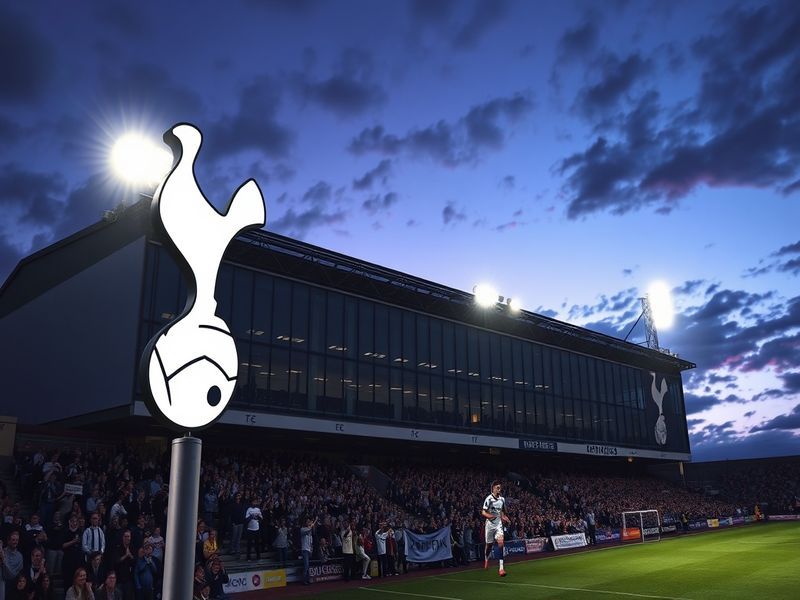
For all their flaws, Spurs remain a club with immense potential. Their stadium is a revenue-generating machine, their global fanbase is vast, and their history is rich. Yet potential alone is not enough. The next 12 months will determine whether Tottenham can reclaim their place among England’s elite or continue their slide into irrelevance.
The Premier League waits for no one. If Spurs fail to act decisively, they risk becoming a cautionary tale—a club that had it all but squandered it through a combination of poor leadership, misguided ambition, and sheer bad luck.
One thing is certain: the current trajectory is unsustainable. Tottenham Hotspur must change course, and fast.
Conclusion
Tottenham’s identity crisis is not just about football. It’s about vision, leadership, and the soul of a club. The post-Pochettino era has been marked by chaos, but Ange Postecoglou offers a glimmer of hope. Whether that hope can be realized depends on the decisions made behind closed doors. For the fans who have weathered years of disappointment, the wait for glory must feel interminable. Yet football, as it always does, will offer another chance. The question is: will Tottenham be ready to seize it?
Read more sports coverage on Dave’s Locker or dive deeper into football analysis for further insights.