Understanding Tenerife Canary Islands Weather Throughout the Year
Tenerife Canary Islands Weather Overview
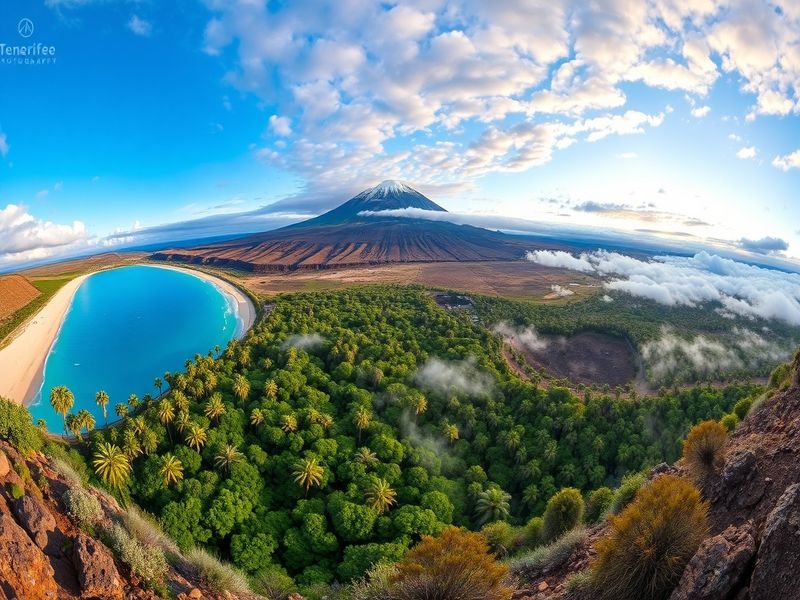
Tenerife, the largest of the Canary Islands, offers a unique climate that attracts tourists year-round. With its diverse landscapes, ranging from sandy beaches to volcanic mountains, the weather plays a crucial role in shaping the island’s appeal. This article will explore the various weather patterns throughout the year, highlighting seasonal changes and tips for visitors.
Climate Characteristics Throughout the Year
The climate in Tenerife is classified as subtropical, characterized by mild temperatures and limited rainfall. The island experiences two main seasons: summer and winter. However, the differences between these seasons are not as pronounced as in many other regions.
Summer months, from June to September, see temperatures averaging around 30°C (86°F) during the day. The evenings remain pleasantly warm, making it ideal for outdoor activities. Conversely, winter months, from December to February, have cooler daytime temperatures averaging between 20°C to 24°C (68°F to 75°F).
Monthly Weather Breakdown
Understanding the monthly weather patterns can help travelers plan their visits more effectively. Here’s a concise breakdown of what to expect throughout the year:
- January: Average temperature of 18°C (64°F), with occasional rain.
- April: Temperatures rise to around 20°C (68°F), with moderate sunshine.
- July: Peak summer month, temperatures consistently around 30°C (86°F).
- October: A warm month, averaging 24°C (75°F), and often considered the best time to visit due to fewer crowds.
Microclimates Across the Island
One of the fascinating aspects of Tenerife is its microclimates. The diverse geography leads to different weather conditions in various parts of the island. For instance, the southern region is typically warmer and drier, making it a popular choice for beachgoers. In contrast, the northern part tends to be cooler and more humid, with lush vegetation.
The Teide National Park, home to Spain’s highest peak, Mount Teide, showcases even more variability. At higher altitudes, temperatures can drop significantly, particularly during the night. Visitors should be prepared for sudden weather changes when exploring this magnificent area.
Best Times to Visit Tenerife
Choosing the right time to visit Tenerife can enhance your experience. Here are some considerations based on weather patterns:
- Spring (March to May): Ideal for hiking and outdoor activities with pleasant temperatures.
- Summer (June to September): Perfect for beach lovers, but expect larger crowds.
- Autumn (October to November): Great for mild weather and fewer tourists.
- Winter (December to February): Excellent for escaping colder climates, though it can be cooler.
Weather Considerations for Activities
The weather significantly influences the types of activities available on the island. The sunny, warm summer months are perfect for water sports, sunbathing, and enjoying the vibrant beach culture. In contrast, the cooler winter months provide an excellent opportunity for hiking and exploring the island’s natural beauty without the heat.
It’s also worth noting that the weather can change rapidly, especially in mountainous areas. Visitors should always check forecasts and be prepared for varying conditions. Those planning to hike in Teide National Park should dress in layers and carry appropriate gear.
Conclusion
Tenerife’s weather is a key factor in its attractiveness as a travel destination. With its mild temperatures year-round and diverse climatic zones, the island caters to a wide range of activities and preferences. Whether you’re looking to relax on the beach or explore the rugged landscapes, understanding Tenerife’s weather can help you make the most of your visit.
For more travel tips and guides, check out our Travel section. Also, explore our Analysis page for deeper insights into various travel-related topics.