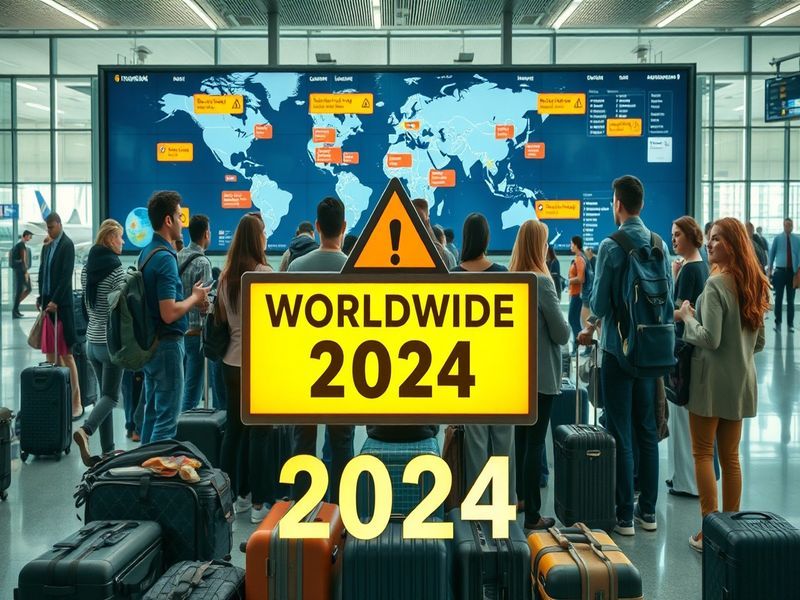
The U.S. State Department issues Worldwide Caution as a standard advisory for Americans traveling abroad. This alert highlights potential risks in every country, from crime and terrorism to civil unrest and health hazards. While not a travel ban, it serves as a reminder to remain vigilant wherever you go.
In 2024, the geopolitical landscape remains volatile. Rising tensions in Eastern Europe, the Middle East, and parts of Africa contribute to an unpredictable environment. Travelers must weigh these risks carefully before booking flights or making plans. Understanding the nuances of this advisory can mean the difference between a safe trip and one fraught with danger.
The Evolution of Worldwide Caution: How It Has Changed Over Time
The State Department first introduced the Worldwide Caution advisory in 1999, following a series of high-profile terrorist attacks. Initially, it was a response to the U.S. Embassy bombings in Kenya and Tanzania. Over the years, its scope expanded to include kidnapping threats, cybercrime, and health emergencies like pandemics.
The advisory has evolved alongside global threats. After 9/11, it emphasized terrorism prevention. In 2020, COVID-19 forced an update to include health risks. Today, it reflects hybrid threats—cyberattacks on critical infrastructure, disinformation campaigns, and climate-related disasters. The advisory is no longer just a warning; it’s a dynamic document reflecting real-time risks.
Key Factors Influencing the Advisory in 2024
The 2024 Worldwide Caution is shaped by several factors:
- Geopolitical Tensions: Conflicts in Ukraine, Gaza, and Sudan create spillover risks, including terrorism and regional instability.
- Crime and Kidnapping: Certain regions, particularly in Latin America and the Sahel, report surging violent crime and kidnappings targeting foreigners.
- Health Concerns: Resurgences of diseases like measles and dengue, combined with antibiotic-resistant infections, pose new threats.
- Digital Risks: Public Wi-Fi networks in tourist hotspots are increasingly targeted by hackers stealing personal data.
These factors don’t just affect travelers—they influence global business operations, diplomatic relations, and even cultural exchanges. For instance, multinational corporations now factor the advisory into their risk assessments, sometimes delaying expansions into high-risk areas.
What Does the Advisory Mean for Different Types of Travelers?
The impact of the Worldwide Caution varies widely depending on who you are and where you’re going.
Leisure Travelers: Balancing Adventure and Safety
For backpackers and vacationers, the advisory is a double-edged sword. On one hand, it deters trips to perceived danger zones. On the other, it pushes travelers toward lesser-known destinations they might not have considered otherwise. Countries like Georgia or Oman, which rank lower on the advisory scale, have seen a surge in tourism as alternatives to traditionally popular—but higher-risk—destinations.
However, even in low-risk countries, petty crime remains a persistent issue. Pickpocketing in crowded European cities or scams targeting tourists in Southeast Asia continue unabated. The advisory serves as a reminder that danger isn’t always dramatic; sometimes, it’s mundane but costly.
Business Travelers: Navigating Corporate Risk Management
For professionals on work trips, the Worldwide Caution is a critical tool for corporate risk management. Companies often use it to justify travel restrictions or mandatory security briefings. In some cases, employees are required to register their itineraries with the State Department’s Smart Traveler Enrollment Program (STEP) before departure.
Industries like oil and gas, mining, and manufacturing face the highest exposure. Executives traveling to conflict zones may rely on private security firms or armored vehicles. The advisory doesn’t just shape itineraries—it shapes entire business strategies, influencing where companies choose to invest or operate.
How to Travel Safely in a High-Risk World
The Worldwide Caution isn’t meant to scare people away from travel—it’s meant to make them more prepared. Here are actionable steps to mitigate risks:
- Stay Informed: Monitor updates from the State Department, local news outlets, and reliable travel advisories. The situation on the ground can change rapidly.
- Register with STEP: Enrolling in the Smart Traveler Enrollment Program ensures you receive real-time alerts about emergencies in your destination.
- Blend In: Avoid drawing attention to yourself. Dress modestly, don’t flash expensive gadgets, and refrain from loud conversations about your itinerary in public.
- Secure Your Belongings: Use anti-theft bags, keep valuables in hotel safes, and avoid carrying large amounts of cash. Digital security is just as important—use a VPN on public Wi-Fi.
- Have an Exit Plan: Know the location of the nearest U.S. Embassy or consulate. Keep emergency contacts and copies of important documents stored separately from the originals.
These precautions aren’t paranoid—they’re practical. The State Department’s own data shows that Americans are more likely to face health emergencies or accidents abroad than violent crime. Yet, most travelers focus on the latter while ignoring the former. The Worldwide Caution is a balanced reminder that risk comes in many forms.
The Broader Implications of a Globalized Risk Landscape
The Worldwide Caution reflects a larger trend: the blurring of lines between domestic and international threats. Cyberattacks originating from one country can cripple businesses in another. A pandemic in one region can shut down global supply chains. Climate change exacerbates resource conflicts, fueling migration crises that destabilize entire continents.
For governments, this means rethinking foreign policy. For businesses, it means retooling global operations. For individuals, it means adopting a more flexible, informed approach to travel. The days of carefree international exploration are largely over. In their place, a more cautious, calculated form of global engagement has emerged.
This shift isn’t inherently negative. A world where travelers and businesses alike prioritize safety can lead to more sustainable tourism and responsible investment. However, it also risks creating a two-tiered system: one where only the privileged or well-prepared can explore freely, while others are left behind by fear.
The challenge, then, is to balance caution with curiosity. The Worldwide Caution shouldn’t be a barrier—it should be a guide. By understanding the risks and preparing accordingly, travelers can still experience the world’s wonders without putting themselves in harm’s way.
In the end, the advisory is just one tool in a much larger toolkit. The real work begins with the choices travelers make every day—choices about where to go, how to prepare, and what to prioritize. The world is undeniably more complex than it was a decade ago. But complexity doesn’t have to mean paralysis. With the right mindset, it can mean opportunity.
For more travel insights, visit Dave’s Locker’s Travel and Analysis sections.