Embracing Imperfection: The Global Narrative of Women
Understanding Imperfect Women: A Global Perspective
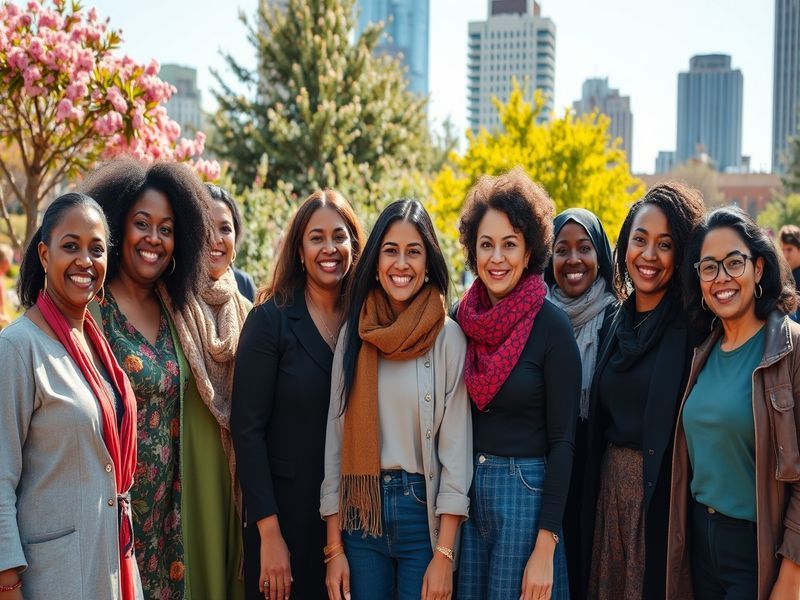
In various cultures, the concept of womanhood has been shaped by historical, social, and economic factors. The idea of “imperfect women” encompasses a range of experiences, traits, and qualities that challenge traditional norms. This article explores how these women are viewed across different societies and the impact of these perspectives on gender equality and personal identity.
The Definition of Imperfection
Imperfection can take many forms. From physical attributes to personal choices and life experiences, what society often deems as flaws can also represent individuality and strength. Women who possess qualities that diverge from the conventional standards of beauty or behavior are frequently labeled as “imperfect.” However, these imperfections contribute to a richer narrative about womanhood.
Some common traits associated with imperfect women include:
- Non-conformity to beauty standards
- Embracing vulnerability
- Struggling with mental health issues
- Defying traditional roles in family and society
- Resisting societal pressures and expectations
Cultural Context and the Global Perspective
The perception of imperfect women varies significantly across different cultures. In many Western societies, there has been a growing movement towards body positivity and acceptance of diverse identities. Campaigns that celebrate women of all shapes, sizes, and backgrounds are increasingly prevalent. This shift is largely fueled by social media, which has allowed women to share their stories and connect with others facing similar challenges.
Conversely, in some cultures, traditional norms still dominate. Women may face immense pressure to conform to specific ideals of beauty and behavior. For instance, in certain Asian cultures, the emphasis on familial duty can overshadow personal ambition, leading women to suppress their desires for the sake of social acceptance. This ongoing tension between individual identity and societal expectations creates a complex narrative around the concept of imperfection.
The Role of Media in Shaping Perspectives
Media plays a pivotal role in shaping societal perceptions of women. Television, film, and advertising often promote narrow definitions of beauty and success. However, recent years have seen a gradual change in this narrative. More films and shows are featuring flawed, relatable female characters, showcasing the struggles and triumphs of imperfect women. This representation helps to normalize the idea that women do not need to fit into a predefined mold to be valued.
Some notable examples include:
- Television Shows: Series like “Girls” and “Fleabag” depict women grappling with their imperfections, delving into their flaws, and ultimately embracing their identities.
- Advertising Campaigns: Brands such as Dove have championed campaigns that celebrate diverse body types, aiming to redefine beauty standards.
- Literature: Books that focus on women’s experiences, such as “Big Little Lies” by Liane Moriarty, often highlight the complexities of being an imperfect woman in today’s society.
Personal Empowerment Through Imperfection
Embracing imperfection can lead to personal empowerment. Women who acknowledge their flaws often find strength in vulnerability. This acceptance encourages authenticity and fosters deeper connections with others. When women share their stories of struggle and resilience, they create a space for dialogue, support, and encouragement among peers.
Moreover, the movement towards accepting imperfection has broader implications for gender equality. As women become more empowered to express their true selves, they challenge societal norms and advocate for change. This shift not only benefits women but also paves the way for a more inclusive society where diverse identities are celebrated.
In conclusion, the narrative surrounding imperfect women is evolving. As cultures shift and media representation improves, society is gradually recognizing the value of authenticity over conformity. By embracing imperfections, women can redefine what it means to be a woman, creating a more inclusive and supportive environment for future generations. The journey towards acceptance is ongoing, but each step taken is a victory in the pursuit of equality and empowerment.