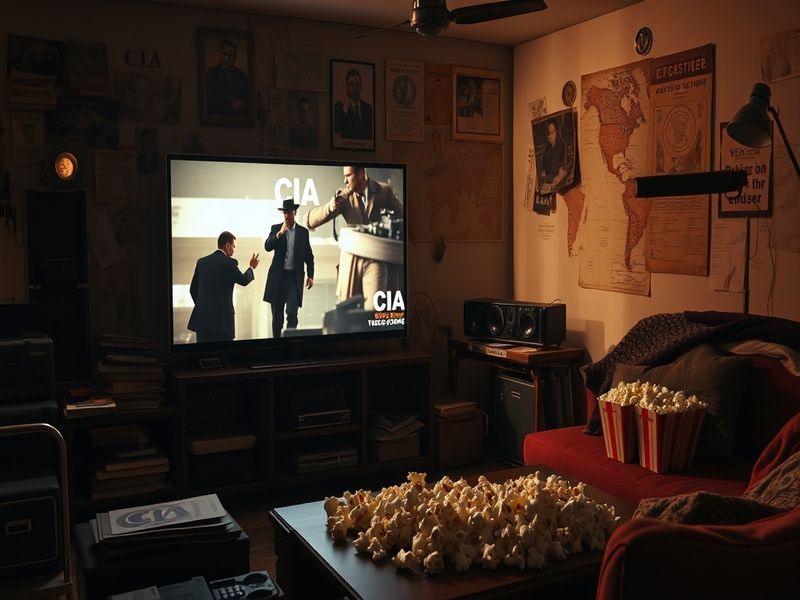
The Rise of CIA-Themed Shows in Popular Media
In recent years, television shows centered around the Central Intelligence Agency (CIA) have gained significant traction. These series offer a glimpse into the world of espionage, intelligence operations, and the moral dilemmas faced by those in the field. With a mix of action, drama, and intrigue, CIA-themed shows have captivated audiences and sparked discussions about national security and ethics.
Key Examples of CIA Shows
Several notable shows have emerged that focus on the CIA, each offering a unique perspective on intelligence work. Here are some of the most prominent:
- Homeland: This acclaimed series follows Carrie Mathison, a CIA officer, as she navigates the complexities of terrorism and personal challenges.
- The Americans: Set during the Cold War, this show tells the story of two Soviet spies posing as an American couple, providing insight into espionage tactics and the psychological toll of living a double life.
- 24: Although primarily an action thriller, this series features Jack Bauer, a counter-terrorism agent, whose work often intersects with CIA operations.
- Jack Ryan: Based on Tom Clancy’s novels, this series follows a CIA analyst as he is thrust into dangerous field missions, blending intelligence analysis with action.
Broader Implications of CIA Portrayals
The portrayal of the CIA in popular media can have wide-ranging implications. These shows not only entertain but also shape public perception of intelligence agencies and their roles in society. Here are some points to consider:
- Public Perception: The representation of CIA operatives often influences how the public views intelligence work and national security. Positive portrayals may enhance trust in these agencies, while negative depictions can lead to skepticism.
- Ethical Questions: Many CIA-themed shows delve into ethical dilemmas, such as the morality of surveillance, torture, and covert operations. These narratives encourage viewers to think critically about the balance between security and personal freedoms.
- Historical Context: Some shows, like The Americans, provide a historical backdrop to current events, offering insights into past conflicts and their relevance today.
- Recruitment and Interest: A well-crafted portrayal of intelligence work can inspire interest in careers within the CIA, potentially affecting recruitment efforts.
The Impact on Viewers and Society
As viewers engage with these narratives, the impact can extend beyond mere entertainment. Shows that feature the CIA often lead audiences to reflect on broader societal issues, such as privacy, security, and the consequences of government actions. The tension between national security and individual rights is a recurring theme that resonates with contemporary debates.
Moreover, the dramatization of real-life events can sometimes blur the lines between fact and fiction. While creative liberties are often taken for dramatic effect, the essential truths about the complexities of intelligence work can resonate with viewers, leading to a more nuanced understanding of the challenges faced by intelligence agencies.
In addition, these shows can serve as a catalyst for discussions about the role of government in citizens’ lives. As characters navigate moral quandaries, they often reflect the dilemmas faced by policymakers, prompting viewers to consider the implications of their decisions.
Conclusion
The surge of CIA-themed shows highlights a growing fascination with espionage and intelligence work. These narratives not only entertain but also provoke thought about critical issues surrounding national security, ethics, and the role of government. As audiences continue to engage with these stories, the implications for public perception and societal values remain significant. The interplay of drama and reality within these shows encourages a deeper exploration of the world of intelligence, challenging viewers to think critically about the information presented to them.
For more insights into the impact of television on culture and society, visit our Culture and Entertainment sections.