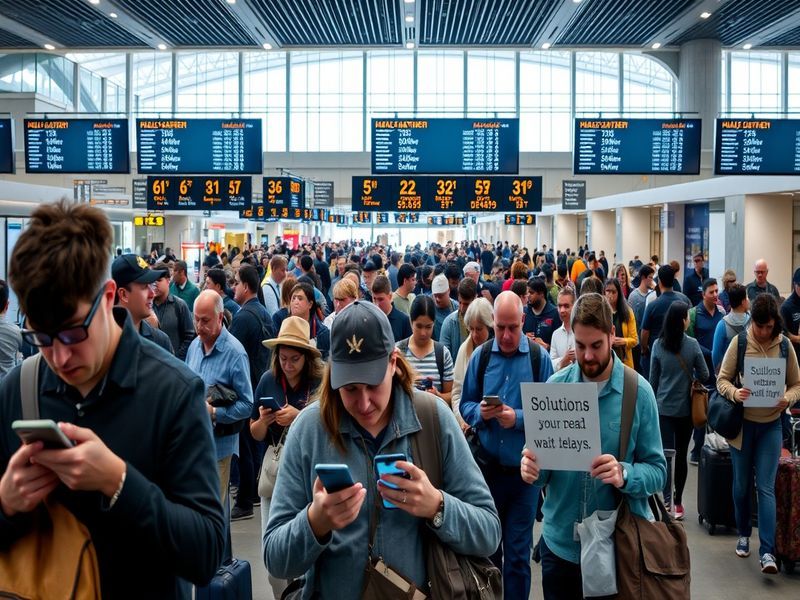
Houston’s Bush Intercontinental Airport (IAH) has long been a critical hub for domestic and international travel, connecting millions of passengers annually. In recent months, however, wait times at security checkpoints and baggage claim have surged, creating headaches for travelers and sparking questions about the root causes. These delays aren’t just an inconvenience—they reflect broader trends in air travel, staffing challenges, and infrastructure strains that could reshape how we experience airports.
The Current State of IAH Wait Times
Data from the Transportation Security Administration (TSA) shows that wait times at IAH have consistently exceeded the national average over the past year. During peak travel periods, such as holidays and summer vacations, lines at security can stretch for over an hour, with some passengers reporting waits of up to 90 minutes. The situation has improved slightly during off-peak times, but the persistence of long delays suggests deeper systemic issues rather than temporary fluctuations.
Several factors contribute to these extended wait times. First, passenger volume at IAH has rebounded strongly since the pandemic, with traffic now approaching or exceeding pre-2020 levels. Airlines have added more flights to meet demand, but infrastructure and staffing haven’t kept pace. Second, TSA staffing shortages have plagued airports nationwide, including IAH, where understaffed checkpoints force travelers into fewer lanes. Third, the rise of budget airlines operating out of IAH has led to more passengers with carry-on luggage, increasing security screening times.
Why These Delays Matter Beyond Houston
The challenges at IAH are not unique. Airports across the U.S. are grappling with similar issues, from New York’s JFK to Los Angeles International. However, IAH’s role as a major international gateway makes its struggles particularly significant. Delays here can ripple across the country, affecting connecting flights and cargo operations. For business travelers and tourists alike, these wait times translate into lost productivity, missed connections, and heightened stress.
There are also financial implications. Airlines and airport authorities face reputational damage when delays become chronic, potentially deterring passengers from choosing routes through IAH. While some travelers may opt for alternative airports in Texas, such as Dallas/Fort Worth, the inconvenience of longer drives or additional costs could outweigh the benefits of shorter wait times.
Key Factors Contributing to IAH’s Wait Times
- Passenger volume rebound: Post-pandemic travel demand has surged, straining existing infrastructure.
- TSA staffing shortages: Understaffed security checkpoints slow down the screening process.
- Luggage trends: Increased carry-on usage due to budget airlines lengthens security lines.
- Limited infrastructure upgrades: Terminal expansions and new security lanes haven’t kept up with demand.
- Flight scheduling patterns: Peak-hour congestion exacerbates existing delays.
What’s Being Done—and What’s Missing
In response to the growing backlog, Houston’s aviation department has implemented several measures. Additional TSA officers have been deployed during peak hours, and automated screening lanes have been introduced to speed up the process. Some terminals have also expanded their baggage claim areas to reduce congestion. These steps have provided temporary relief, but critics argue they’re not enough to address the underlying issues.
One long-term solution being discussed is a significant investment in IAH’s infrastructure. The Houston Airport System has proposed terminal expansions and new security checkpoints, but funding and regulatory hurdles could delay these projects for years. Another approach involves leveraging technology, such as biometric screening and AI-driven passenger flow management, to streamline operations. While some airports have adopted these innovations, IAH has been slower to integrate them.
For now, passengers are left with a mix of coping strategies. Some arrive hours early to beat the crowds, while others pay for TSA PreCheck or Clear memberships to skip the lines. Airlines have also adjusted their policies, encouraging travelers to check bags to reduce carry-on congestion. Yet these solutions are band-aids rather than cures, highlighting the need for systemic changes.
The Future of Air Travel Through IAH
Looking ahead, the trajectory of IAH’s wait times will depend on several variables. If travel demand continues to rise without corresponding investments in staffing and infrastructure, delays could become the new normal. Conversely, proactive measures—such as accelerated construction projects and partnerships with tech providers—could mitigate the problem before it worsens.
For Houston, a city that relies heavily on IAH for business, tourism, and logistics, the stakes are high. The airport’s ability to handle growing passenger volumes efficiently will determine its competitiveness in the global aviation market. Travelers, meanwhile, will need to adapt to a new reality where long wait times are an expected part of the journey.
One thing is clear: IAH’s challenges are a microcosm of broader trends in air travel. As airports nationwide confront similar issues, the solutions implemented—or ignored—in Houston could set a precedent for the industry. Whether that means faster security lanes, smarter scheduling, or entirely new airport designs, the pressure is on to rethink how we move millions of people through the skies every day.
For now, travelers passing through IAH would do well to plan ahead. Pack light, arrive early, and brace for the wait. The airport may be a gateway to the world, but getting through it is becoming an ordeal in its own right.