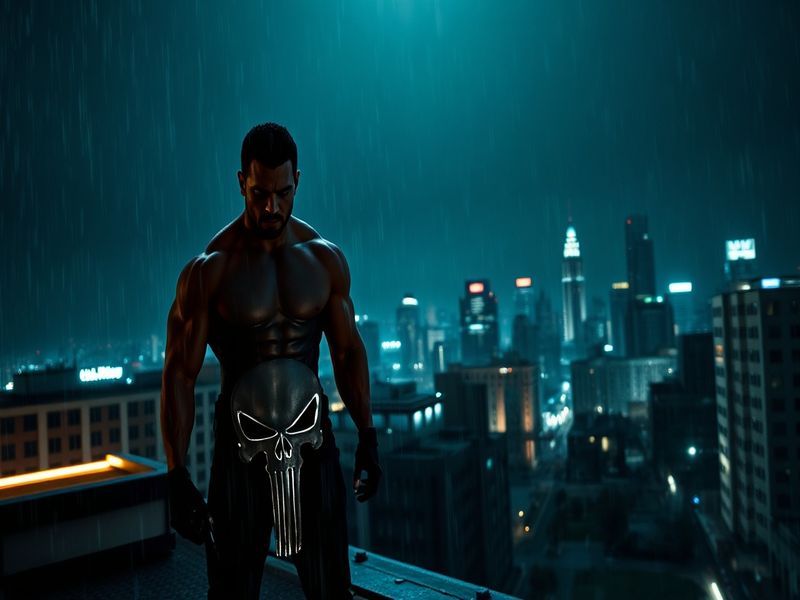
The Punisher Special: A Cultural Examination of the Iconic Antihero
The Punisher Special: A Cultural Examination
The Punisher, a character created by writer Gerry Conway and artist John Romita Sr. in the early 1970s, has evolved significantly over the decades. Initially introduced as an antagonist in Spider-Man comics, he quickly gained popularity, leading to his own series and adaptations in various media. The Punisher is emblematic of a complex intersection of vigilante justice, trauma, and morality. This article explores the global impact of The Punisher, focusing on his cultural significance, various adaptations, and the controversies that surround him.
The Character’s Evolution
Since his inception, The Punisher has been portrayed as a morally ambiguous antihero. His origin story revolves around the tragic murder of his family, which drives him to wage a one-man war against crime. This narrative of vengeance resonates with audiences who grapple with feelings of helplessness in the face of injustice. Over the years, The Punisher has appeared in numerous comic series, television shows, and films, each iteration reflecting the societal context of its time.
Key adaptations of The Punisher include:
- 1974: The original comic book series, introducing Frank Castle’s brutal methods.
- 1989: The first feature film starring Dolph Lundgren, which struggled to capture the character’s essence.
- 2004: A more successful film adaptation featuring Thomas Jane, which delved into Castle’s psyche.
- 2017: The Netflix series, bringing a darker and more complex portrayal that resonated with contemporary audiences.
Cultural Impact and Global Perspectives
The Punisher’s image has transcended comic books and films, becoming a symbol in various cultural contexts. In the United States, his skull logo has been appropriated by various groups, including law enforcement and military personnel. This has sparked significant debate over the character’s representation of justice and morality. While some view him as a hero fighting against crime, others criticize the glorification of violence and vigilantism.
Globally, The Punisher’s themes resonate in countries facing issues of crime and corruption. For example, in Latin America, where drug cartels often operate with impunity, The Punisher’s quest for justice reflects a desire for retribution against systemic failings. In contrast, in regions with a strong emphasis on social justice, the character may be seen as a dangerous archetype that promotes violence as a solution.
Controversies Surrounding The Punisher
The character’s violent methods have led to polarizing discussions about morality and justice. Critics argue that The Punisher glorifies murder and vigilantism, undermining the rule of law. Supporters, however, claim he represents a necessary response to a flawed justice system. This dichotomy raises important questions about how society views crime and punishment.
Some notable controversies include:
- Use of The Punisher’s logo by law enforcement, leading to debates about police brutality and accountability.
- Public reactions to the character’s portrayal of violence, particularly in the context of mass shootings and societal violence.
- Discussions around mental health, as Frank Castle’s character often highlights the psychological toll of violence and loss.
Conclusion: The Enduring Legacy of The Punisher
The Punisher remains a complex character who evokes strong emotions across the globe. His story serves as a reflection of societal issues, challenging audiences to confront uncomfortable truths about justice, morality, and the human condition. As adaptations continue to emerge, The Punisher’s legacy will likely evolve, prompting new discussions about the nature of heroism and the consequences of violence.
For those interested in exploring more about the intersection of culture and media, check out our Culture section, or dive into the world of entertainment with our Entertainment insights.