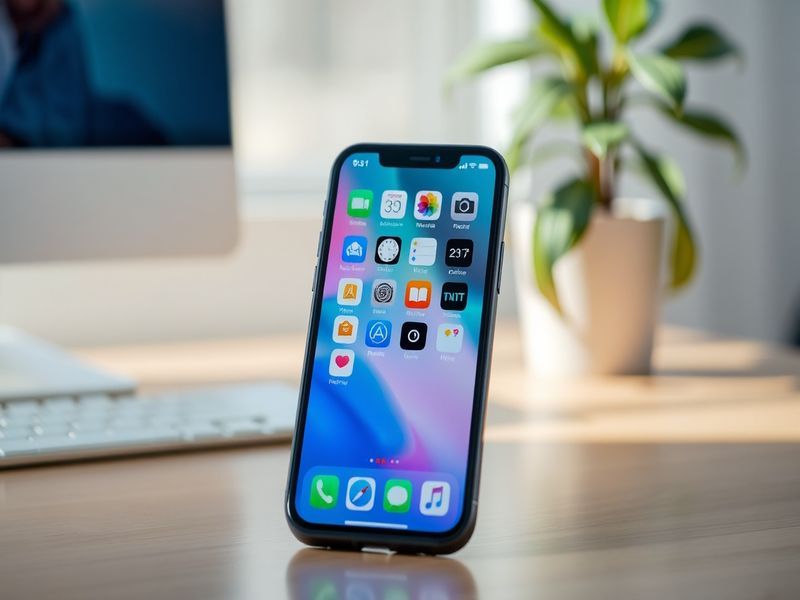
Apple iOS 26.4 Update: Security Fixes and Hidden Improvements
Apple’s latest iOS 26.4 update arrived with minimal fanfare, yet it quietly introduces some of the most significant security improvements in recent memory. Released in early March, the update addresses critical vulnerabilities while adding subtle but meaningful enhancements to user experience. For those who assumed Apple’s security was already airtight, this release serves as a reminder that even the most polished systems require constant refinement.
The update follows Apple’s usual cadence of releasing major iOS versions in the fall and smaller, security-focused updates in between. However, iOS 26.4 stands out for its emphasis on patching high-severity flaws that could have otherwise gone unnoticed by the average user. This approach reflects Apple’s growing focus on proactive security rather than reactive fixes—a shift that aligns with increasing scrutiny from regulators and security researchers alike.
Key Security Fixes in iOS 26.4
At first glance, iOS 26.4 appears to be a routine maintenance update. Beneath the surface, however, it includes patches for vulnerabilities that could have allowed malicious actors to bypass authentication, access sensitive data, or even execute arbitrary code on a device. Apple’s security bulletin for the update highlights several critical fixes, including:
- Kernel Exploit Mitigation: A flaw in the iOS kernel could have permitted attackers to gain elevated privileges on a device. Apple has strengthened memory protections to prevent such exploits.
- WebKit Vulnerabilities: Multiple issues in WebKit, the engine behind Safari, were addressed to prevent malicious websites from executing code or tracking users without consent.
- Sandbox Bypass Risks: Some apps could have exploited sandboxing mechanisms to access restricted data. Apple has tightened these controls to prevent unauthorized access.
- Bluetooth Security Updates: A vulnerability in Bluetooth handling could have allowed nearby attackers to intercept data transmitted between devices. The update includes stricter encryption requirements.
These fixes are particularly noteworthy given the increasing sophistication of cyber threats targeting mobile devices. While Apple has long prioritized security, the rapid evolution of attack methods—from spyware campaigns to state-sponsored hacking—demands constant vigilance. The iOS 26.4 update is a direct response to these challenges, demonstrating Apple’s commitment to staying ahead of potential threats.
Beyond Security: Subtle but Meaningful Changes
While security dominates the headlines, iOS 26.4 also introduces several under-the-radar improvements that enhance usability. These changes may not grab headlines, but they reflect Apple’s ongoing effort to refine the iOS experience without disrupting familiar workflows.
One of the most noticeable tweaks is the redesigned Settings menu, which now features a more intuitive layout for managing privacy controls. Users can now access app-specific permissions—such as location, camera, and microphone access—more quickly, reducing the friction often associated with adjusting these settings. This change aligns with Apple’s broader push for transparency in data collection, a trend that has resonated with privacy-conscious users.
Another subtle but impactful addition is the expanded Safety Check feature. Originally introduced in iOS 16, Safety Check allows users to quickly revoke permissions and remove unwanted access to their data. In iOS 26.4, this feature has been streamlined to include more granular controls, such as the ability to review and revoke access to specific contacts or apps in bulk. For users concerned about digital stalking or unauthorized data sharing, these tools provide a much-needed layer of control.
The update also includes performance optimizations for older devices, particularly the iPhone 12 and 13 series. Apple has fine-tuned background processes to reduce battery drain and improve app responsiveness, addressing common complaints from users who felt these devices were slowing down over time. While not a groundbreaking change, it underscores Apple’s commitment to extending the lifespan of its hardware—a key selling point in an era of disposable electronics.
Broader Implications for Apple and the Tech Industry
The release of iOS 26.4 arrives at a pivotal moment for Apple, as the company faces increasing pressure from regulators, competitors, and consumers alike. On one hand, Apple’s focus on security and privacy continues to set it apart in a crowded smartphone market. On the other, the company’s closed ecosystem and strict control over app distribution have drawn criticism from developers and lawmakers who argue for greater openness.
The security improvements in iOS 26.4 could be seen as a preemptive strike against these criticisms. By proactively addressing vulnerabilities, Apple not only protects its users but also reinforces its reputation as a leader in mobile security. This strategy is particularly important as more sensitive activities—from banking to healthcare—shift to mobile devices. A single high-profile breach could erode consumer trust in Apple’s ecosystem, making proactive security measures a necessity rather than an option.
Moreover, the update highlights Apple’s growing reliance on software updates to differentiate its products. With hardware innovation slowing in some areas, Apple has increasingly turned to software and services to maintain its competitive edge. The iOS 26.4 update is a prime example of this approach, offering tangible benefits that users can experience immediately without requiring new hardware.
For the broader tech industry, iOS 26.4 serves as a case study in balancing innovation with security. As smartphones become more integrated into daily life, the stakes for protecting user data have never been higher. Apple’s approach—prioritizing security without sacrificing usability—offers a model for other companies grappling with similar challenges. Whether competitors will follow suit remains to be seen, but the pressure to do so is undeniable.
What Users Should Do Next
Given the critical nature of the security fixes in iOS 26.4, users are strongly encouraged to update their devices as soon as possible. The process is straightforward: navigate to Settings > General > Software Update and follow the prompts. For those hesitant to update immediately, it’s worth noting that delaying updates increases exposure to known vulnerabilities, which could be exploited by attackers.
Beyond the update itself, users can take additional steps to enhance their security:
- Review App Permissions: Regularly audit which apps have access to your location, camera, microphone, and other sensitive data. iOS 26.4 makes this easier with its redesigned privacy controls.
- Enable Two-Factor Authentication: Ensure that two-factor authentication is turned on for your Apple ID and other critical accounts. This adds an extra layer of protection against unauthorized access.
- Use Strong Passcodes: Avoid simple passcodes like “1234” or “0000.” Instead, opt for a longer, alphanumeric passcode if possible.
- Stay Informed: Follow Apple’s security updates and be wary of phishing attempts that may try to exploit vulnerabilities before users have a chance to patch them.
For developers, iOS 26.4 also introduces new APIs and tools that can help build more secure apps. Apple has expanded its App Privacy Report feature, which now provides deeper insights into how apps are using user data. This transparency not only benefits users but also encourages developers to adopt best practices in data handling.
The release of iOS 26.4 may not have been accompanied by the fanfare of a major iOS version, but its impact is undeniable. By addressing critical security flaws and refining the user experience, Apple has once again demonstrated its commitment to delivering a product that is both powerful and secure. As the tech landscape continues to evolve, updates like iOS 26.4 serve as a reminder that in the world of software, vigilance is the key to longevity.
For more insights into Apple’s latest updates and security trends, explore our Technology and News sections.