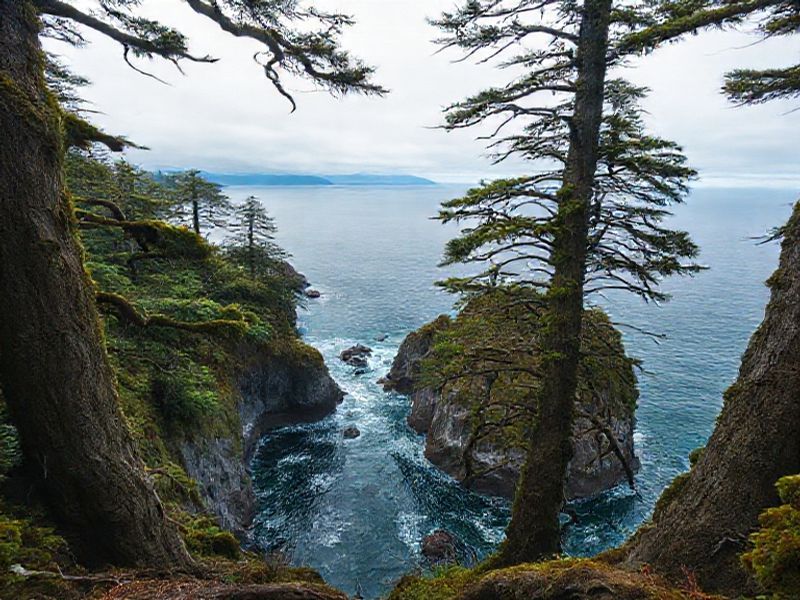
Exploring the Forgotten Island: A Hidden Gem of Nature
Islands often evoke images of paradise, but some remain shrouded in mystery and obscurity. One such place is the forgotten island, a term that can refer to various lesser-known islands around the globe. These hidden gems offer unique ecosystems, rich histories, and potential for exploration. This article will delve into the essence of forgotten islands, their significance, and what they mean for the broader context of travel and conservation.
The Allure of Forgotten Islands
Forgotten islands captivate adventurers and historians alike. These locations often boast lush landscapes, diverse wildlife, and remnants of human activity that tell stories of the past. While some may have been abandoned due to natural disasters or economic decline, others remain untouched by modern civilization.
Some key characteristics that define forgotten islands include:
- Isolation: Many forgotten islands are remote, making them difficult to access and often overlooked by travelers.
- Biodiversity: These islands often host unique flora and fauna that have evolved in isolation.
- Cultural Heritage: Forgotten islands may contain historical artifacts or remnants of ancient civilizations.
- Environmental Significance: They can serve as critical habitats for endangered species and play a role in global ecology.
Notable Examples of Forgotten Islands
Throughout history, various islands have been lost to time, but a few stand out due to their intriguing stories and ecological importance. Here are a couple of notable examples:
- Socotra Island, Yemen: Known for its otherworldly landscapes and endemic species, Socotra is often referred to as the “Galápagos of the Indian Ocean.” Its isolation has led to the evolution of unique plants like the dragon’s blood tree.
- Palmyra Atoll, USA: This remote atoll in the Pacific Ocean is a protected area and serves as a refuge for numerous bird species. Its pristine environment provides valuable insights into marine ecosystems.
The Broader Implications of Forgotten Islands
Exploring forgotten islands can have significant implications for conservation, tourism, and cultural preservation. As travel trends shift towards more sustainable and responsible tourism, these islands offer opportunities for eco-friendly exploration. Tourists are increasingly seeking destinations that prioritize environmental conservation and cultural authenticity.
Moreover, forgotten islands can serve as living laboratories for scientists studying climate change, biodiversity, and ecological resilience. The isolation of these islands often protects them from the pressures faced by mainland environments, allowing researchers to observe natural processes in action. This can lead to valuable insights that may benefit global conservation efforts.
Conclusion: Rediscovering Forgotten Islands
The allure of forgotten islands lies not only in their beauty but also in their potential for discovery and understanding. As we continue to explore these unique places, it is essential to balance adventure with responsibility. Conservation efforts must be prioritized to ensure that these islands remain protected for future generations.
By delving into the stories and ecosystems of forgotten islands, we can foster a greater appreciation for our planet’s diversity. They remind us of the importance of preserving our natural heritage and the stories that connect us to the past. For those looking to discover more about travel destinations and sustainability, visit Dave’s Locker Travel and Dave’s Locker Culture.