Exploring the Mysteries of Forgotten Islands Across the Globe
The Enigma of Forgotten Islands
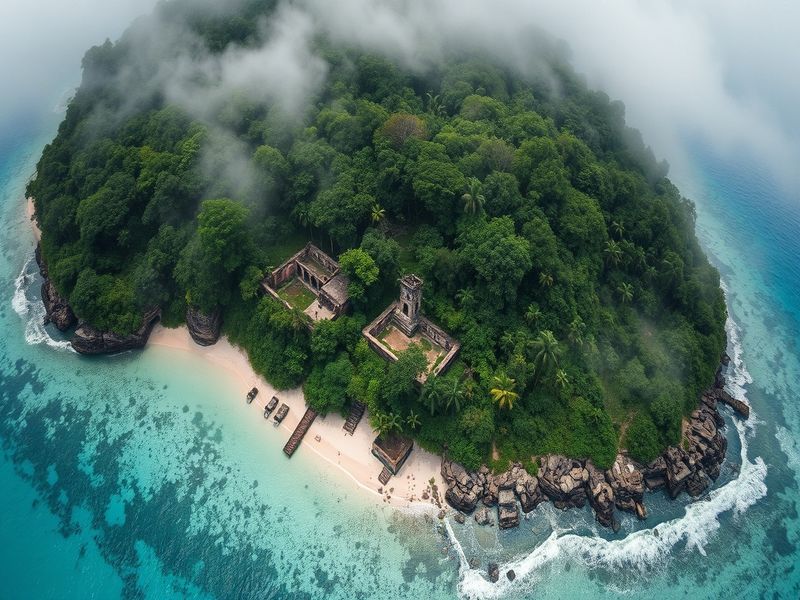
Across the globe, there exist islands that history has seemingly overlooked. These “forgotten islands” often hold secrets, rich histories, and unique ecosystems that remain largely unexplored. From the remote Pacific to the hidden gems of the Atlantic, each island tells a story waiting to be uncovered.
Historical Significance
Many forgotten islands have played pivotal roles in historical events, yet they have slipped from mainstream narratives. For instance, the island of Ascension in the South Atlantic served as a crucial military base during World War II. Its strategic location allowed Allied forces to monitor and control the South Atlantic shipping lanes. Today, it is primarily known for its wildlife, including the famous green sea turtles that nest on its shores.
Similarly, Tristan da Cunha is often cited as the most remote inhabited archipelago in the world. Its isolation has fostered a unique culture and dialect, but the island’s story is also marked by its struggles against natural disasters and economic hardships. The inhabitants, who have preserved their lineage for centuries, continue to maintain their traditions despite the global changes around them.
Ecological Treasures
Forgotten islands are not just historical relics; they are often ecological treasures. Their isolation has led to the evolution of unique flora and fauna, some of which cannot be found anywhere else on Earth. The Galápagos Islands, while well-known, are an example of how isolation can lead to remarkable biodiversity. However, there are lesser-known islands like Socotra in Yemen, which is home to over 30% of its plant species that are endemic to the island.
These islands face significant threats from climate change and human activity. Conservation efforts are crucial to preserving their unique ecosystems. Efforts range from protecting migratory routes for birds to enforcing strict regulations against invasive species. Here are some key conservation strategies:
- Establishing protected marine areas to safeguard biodiversity.
- Promoting sustainable tourism to reduce environmental impact.
- Engaging local communities in conservation efforts.
Cultural Context and Modern Challenges
The cultural significance of forgotten islands often goes hand-in-hand with their ecological importance. Many of these islands are home to indigenous communities that have lived in harmony with their environment for generations. Their traditions, languages, and customs are at risk of fading away, overshadowed by globalization and modern influences.
For example, the islands of Vanuatu in the South Pacific are rich in cultural diversity, with over 100 languages spoken across its various islands. However, the encroachment of tourism and external economic pressures poses challenges to the preservation of these vibrant cultures. Efforts to maintain cultural heritage are essential, including:
- Documenting traditional practices and languages.
- Supporting local artisans and cultural events.
- Educating tourists about the importance of cultural sensitivity.
Moreover, forgotten islands often face modern challenges such as rising sea levels and changing weather patterns. The impacts of climate change are felt acutely in these remote areas, where communities have limited resources to adapt. The need for global awareness and action cannot be overstated, as the fate of these islands is intertwined with broader environmental issues.
Conclusion
Forgotten islands are more than just geographical locations on a map; they are complex ecosystems and cultural landscapes that deserve recognition and protection. By understanding their historical significance, ecological treasures, and the challenges they face, we can contribute to the preservation of these unique places. As we move forward, it is essential to ensure that the stories of these islands are not lost to time but instead celebrated and protected for future generations.
For those interested in exploring more about the intersection of culture and ecology, check out our Culture and Travel sections for related articles.