Understanding the Role of Ayatollahs in Islamic Society
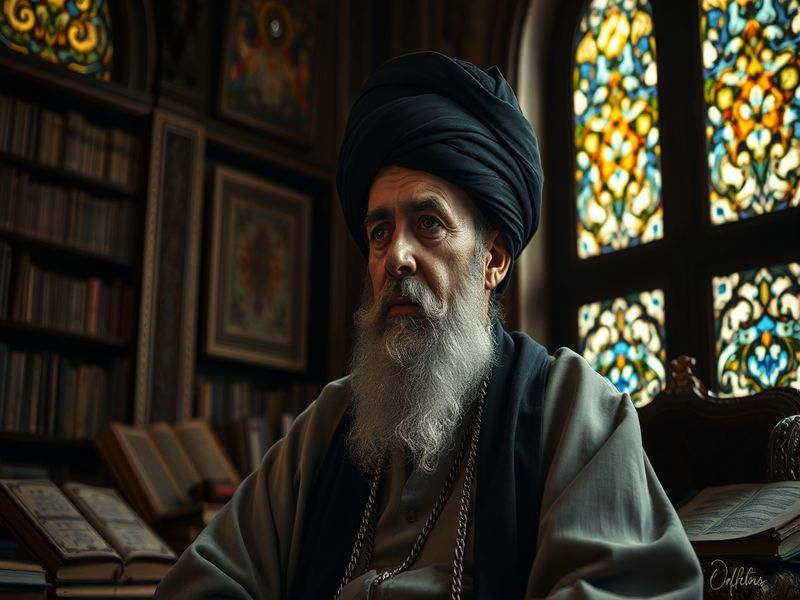
The term “Ayatollah” holds significant weight in Islamic culture, particularly within Shia Islam. It is a title granted to highly respected religious scholars who have demonstrated exceptional knowledge of Islamic law and theology. The word itself translates to “sign of God,” indicating the authority and reverence these individuals command within their communities. This article explores the role of Ayatollahs, their influence on society, and their position in global politics.
The Historical Context of Ayatollahs
To fully appreciate the role of Ayatollahs today, it is essential to understand their historical context. The title emerged in the 19th century within the Shia community as a response to the challenges posed by modernization and Western colonialism. Scholars sought to maintain religious authority while adapting to changing social and political landscapes.
Historically, Ayatollahs have played pivotal roles during critical periods in Iran, especially during the 1979 Iranian Revolution. Figures like Ayatollah Khomeini became instrumental in mobilizing the masses against the monarchy, illustrating how religious authority can intersect with political activism.
Key Responsibilities and Influence
Ayatollahs serve multiple functions within society, ranging from spiritual guidance to political leadership. Their responsibilities include:
- Religious Leadership: Ayatollahs provide interpretations of Islamic law, guiding their followers in matters of faith and daily life.
- Political Involvement: Many Ayatollahs engage in politics, influencing governmental policies and societal norms.
- Social Justice: They often advocate for social justice, addressing issues like poverty and inequality within their communities.
- Education: Ayatollahs are involved in the education of new scholars, ensuring the continuity of religious knowledge.
This multifaceted role allows Ayatollahs to exert considerable influence not just within their religious communities but also on a national and international scale. Their teachings and actions can shape public opinion and political movements, making them key players in the socio-political landscape of their countries.
Ayatollahs in Global Politics
The influence of Ayatollahs extends beyond the borders of Iran, impacting global politics in various ways. For instance, Ayatollahs often engage in dialogues with international leaders, advocating for the interests of their communities. Their positions can affect diplomatic relations, particularly in the Middle East.
Moreover, the rise of religious extremism has led to increased scrutiny of religious leaders, including Ayatollahs. While some promote peace and coexistence, others may be perceived as inciting conflict. This duality complicates the narrative surrounding Ayatollahs and their influence.
Key areas of influence include:
- Iran’s Foreign Policy: Ayatollahs play a crucial role in shaping Iran’s relationships with other nations, often advocating for a more aggressive stance against perceived threats.
- Shia-Sunni Relations: Their influence can either exacerbate tensions or promote unity among different Islamic sects.
- Human Rights Advocacy: Some Ayatollahs have taken stands on human rights issues, challenging oppressive regimes.
Conclusion
Ayatollahs represent a complex and influential force within Islamic society. Their roles as spiritual leaders, political actors, and educators highlight the intricate relationship between religion and governance. As global dynamics continue to shift, the influence of Ayatollahs will likely evolve, reflecting changing societal needs and challenges. Understanding their significance is essential for grasping the broader context of contemporary Islamic culture and politics.
For more insights into related topics, visit our Politics page or explore the Culture section for a deeper understanding of societal influences.