The UEFA Women’s Champions League has evolved from a continental competition into a global showcase of elite women’s football. Since its inception in 2001 as the UEFA Women’s Cup, the tournament has expanded in scope, quality, and popularity. Today, it stands as the premier club competition in women’s football, drawing millions of viewers and nurturing the next generation of stars.
In recent years, the league has witnessed remarkable growth in investment, attendance, and media coverage. Clubs previously focused solely on men’s teams now invest heavily in their women’s squads, while broadcasters dedicate more airtime to matches. This shift reflects broader societal changes and the increasing demand for women’s sports.
The Evolution of a Competition
Founded in 2001, the UEFA Women’s Cup began with 33 teams across Europe. Its format mirrored the men’s Champions League, featuring group stages and knockout rounds. In 2009, the competition rebranded as the UEFA Women’s Champions League, expanding to 55 teams by 2021. The introduction of a 16-team group stage in 2021-22 marked a significant milestone, aligning the tournament closer to its male counterpart.
Key stages in its evolution include:
- 2001-2004: The inaugural tournament featured 33 teams, with Frankfurt winning the first title.
- 2009: Rebranding introduced a more structured format and increased media attention.
- 2019: Lyon dominated with a fifth consecutive title, cementing their legacy as the competition’s most successful club.
- 2021: Expansion to 16 teams in the group stage, with matches broadcasted in 193 territories.
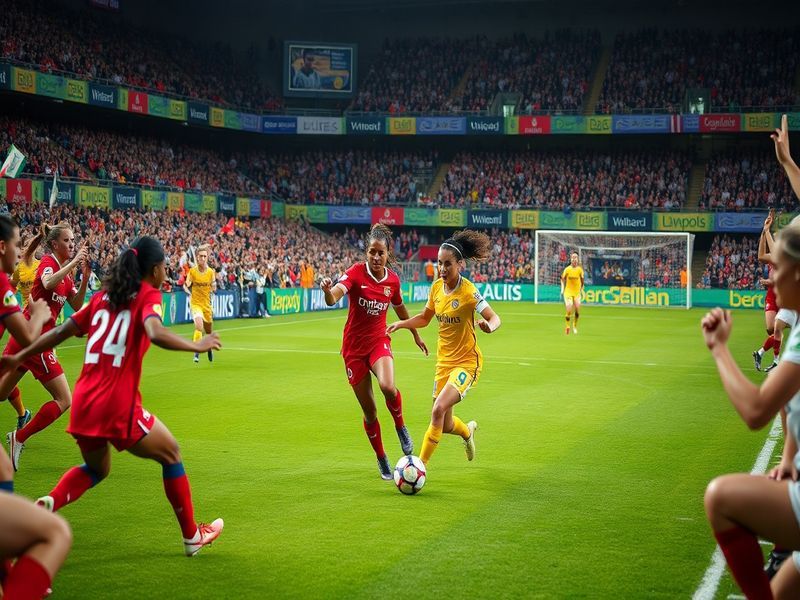
This growth mirrors the rise of women’s football globally. The 2023 final between Barcelona and Wolfsburg drew over 91,000 fans to Eindhoven’s Philips Stadion, a record for the competition. Such milestones highlight the league’s expanding influence and fanbase.
Rivalries and Iconic Matches
Rivalries in the UEFA Women’s Champions League have intensified as the competition’s stakes rise. Matches like Lyon vs. Barcelona and Wolfsburg vs. Chelsea showcase tactical brilliance and high-stakes drama. These fixtures often determine the tournament’s narrative, with clubs pushing each other to new heights.
One of the most storied rivalries is between Lyon and Wolfsburg. The two clubs have faced off in multiple finals, with Lyon prevailing in 2018 and Wolfsburg winning in 2013 and 2014. Their clashes are defined by physicality, tactical nuance, and moments of individual brilliance. Wendie Renard and Pernille Harder have become synonymous with these battles, embodying the competitive spirit of the league.
Another rivalry gaining traction is between Barcelona and Real Madrid. Their 2022 quarterfinal clash marked a turning point, with Barcelona’s 4-1 aggregate win signaling a shift in Spanish women’s football. The rivalry extends beyond the pitch, reflecting the broader rivalry between the two clubs in men’s football. This intersection of narratives adds layers to the competition’s appeal.
Investment and Commercial Growth
The UEFA Women’s Champions League’s commercial growth has been staggering. In 2022, UEFA secured a multi-year broadcasting deal with DAZN and other partners, ensuring wider coverage. Sponsorships from brands like Mastercard and Heineken have further legitimized the league’s commercial viability.
Clubs are also investing more in their women’s teams. Barcelona’s women’s team, for instance, plays at the same iconic Camp Nou as the men’s team, a rarity in European football. Financial commitments include improved training facilities, better travel arrangements, and higher player salaries. These investments are paying off, with clubs like Barcelona and Lyon consistently performing at the highest level.
The league’s commercial success is not just about money. It’s about creating sustainable models that benefit players, clubs, and fans. The UEFA Women’s Champions League is setting a benchmark for how women’s sports can thrive commercially while maintaining authenticity and integrity.
The Future of the Competition
The future of the UEFA Women’s Champions League looks brighter than ever. Proposed expansions, such as increasing the number of teams or introducing a summer tournament, are under discussion. These changes aim to further elevate the competition’s profile and provide more opportunities for clubs and players.
On the field, young talents like Aitana Bonmatí of Barcelona and Lauren James of Chelsea are poised to become the next generation of stars. Their development is a testament to the league’s growing infrastructure and investment in youth academies. The UEFA Women’s Champions League is not just a competition; it’s a platform for nurturing talent and inspiring future generations.
Off the field, the league’s commitment to social responsibility is gaining traction. Initiatives like the UEFA Foundation’s projects focus on using football to drive positive change in society. These efforts align with the league’s broader mission to promote gender equality and inclusivity in sports.
As the UEFA Women’s Champions League continues to grow, it faces challenges such as ensuring financial sustainability and maintaining competitive balance. However, its trajectory suggests a bright future. With increasing fan engagement, commercial success, and on-field quality, the league is well-positioned to become a cornerstone of global women’s football.
For fans and aspiring players alike, the UEFA Women’s Champions League offers a glimpse into the future of football. It’s a competition where dreams are forged, rivalries are cemented, and legends are made. As it evolves, the league will continue to redefine what’s possible in women’s sports.
To explore more about women’s football and its cultural impact, visit our Sports category on Dave’s Locker. For in-depth analysis of European football trends, check out our Analysis section.