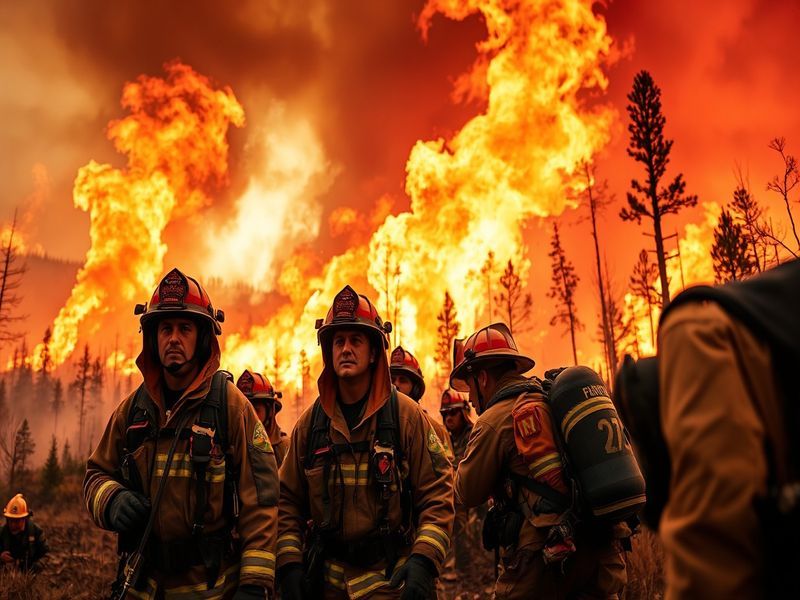
Unified Fire: A Collaborative Approach to Emergency Management
Understanding Unified Fire: A Global Perspective
Unified fire, often referred to as a collaborative approach to firefighting and emergency management, has emerged as a crucial strategy in addressing the complexities of modern-day fire incidents. This methodology emphasizes coordination among various firefighting agencies, community organizations, and the public. By integrating resources and information, unified fire aims to enhance response efficiency and effectiveness.
The Need for Unified Fire Strategies
As urban areas expand and wildfires become more frequent, the challenges faced by firefighting entities have grown significantly. Traditional methods of firefighting, which often involve isolated efforts from various agencies, are no longer sufficient. The need for a unified approach has become increasingly evident due to several factors:
- Complex Incidents: Many fire situations involve multiple jurisdictions, requiring seamless cooperation.
- Resource Allocation: Efficient use of manpower and equipment is essential during large-scale emergencies.
- Public Safety: Coordinated communication ensures that the community receives timely and accurate information.
- Technological Advances: Modern tools allow for real-time data sharing, enhancing situational awareness.
These factors highlight the necessity for a unified response, ensuring that all parties involved work together towards a common goal: protecting lives and property.
Cultural Context and Global Adoption
The concept of unified fire is not confined to one region; it has been adopted worldwide, each culture adapting the strategy to its unique circumstances. In the United States, the National Incident Management System (NIMS) serves as a framework that promotes unified response efforts. This system has been instrumental during large-scale disasters, such as the wildfires in California and hurricanes impacting the Gulf Coast.
In contrast, countries like Australia have developed their own systems, such as the Incident Control System (ICS), which emphasizes local community involvement alongside professional firefighters. This approach fosters a sense of ownership among residents, encouraging them to participate actively in fire prevention and response efforts.
Challenges in Implementing Unified Fire Strategies
While the benefits of unified fire strategies are clear, several challenges remain in their implementation. These challenges can vary depending on geographic, political, and social contexts. Some of the common obstacles include:
- Communication Barriers: Different agencies may use varied terminology and protocols, complicating coordination.
- Funding Issues: Budget constraints can limit resources available for training and equipment necessary for a unified approach.
- Resistance to Change: Some organizations may be hesitant to alter established procedures, leading to friction among teams.
- Training Gaps: Ensuring all personnel are trained in unified strategies is crucial, yet often overlooked.
Addressing these challenges requires commitment from all stakeholders involved. Continuous training, open communication, and adequate funding are vital to fostering a culture of collaboration.
The Future of Unified Fire
Looking ahead, the future of unified fire strategies appears promising. As technology continues to evolve, new tools are emerging that can improve coordination. For instance, geographic information systems (GIS) and mobile applications are facilitating better data sharing among agencies and communities.
Moreover, the increasing awareness of climate change and its impact on fire incidents is pushing for a more proactive approach to fire management. Communities worldwide are recognizing the importance of preparedness, leading to greater investment in education and resources.
In conclusion, unified fire represents a forward-thinking approach to firefighting and emergency management. By fostering collaboration among various entities, communities can enhance their resilience against fire incidents. As the world continues to face new challenges, the principles of unified fire will be essential in ensuring safety and protection for all.