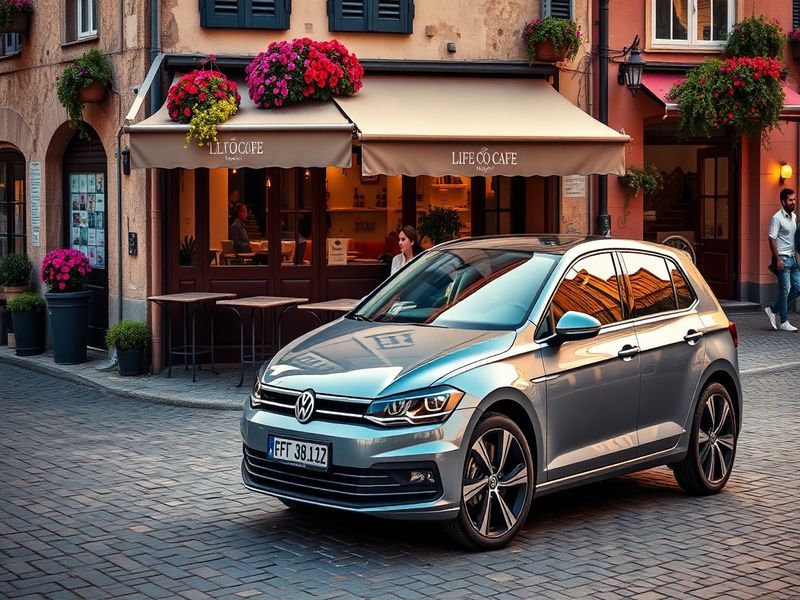
Volkswagen: A Legacy of Innovation and Challenges in Automotive History
Volkswagen: A Legacy of Innovation and Challenges
Volkswagen, a name synonymous with automotive excellence, has a rich history that dates back to its founding in 1937. The German automotive giant has produced some of the most iconic vehicles in the industry, from the Beetle to the Golf. Over the decades, Volkswagen has not only influenced the automotive market but has also faced significant challenges that have tested its resilience and adaptability.
Key Milestones in Volkswagen’s History
Volkswagen’s journey is marked by numerous milestones that highlight its evolution. Understanding these key moments provides insight into how the company has shaped the automotive landscape.
- 1938: The Volkswagen Beetle is designed, intended to be an affordable car for the masses.
- 1960s: The Beetle becomes a symbol of counterculture, gaining popularity in various parts of the world.
- 1974: The introduction of the Golf marks a shift towards the compact car segment.
- 2015: The emissions scandal, known as “Dieselgate,” severely impacts the company’s reputation and finances.
- 2020: Volkswagen announces its commitment to electric vehicles, aiming for a sustainable future.
The Impact of the Diesel Scandal
The 2015 emissions scandal was a watershed moment for Volkswagen. The company was found to have installed software in diesel vehicles that manipulated emissions tests. This revelation led to billions in fines, a significant drop in stock prices, and a crisis of trust among consumers. The scandal not only affected Volkswagen’s reputation but also had broader implications for the automotive industry.
As a result, regulators worldwide increased scrutiny on emissions and environmental standards. This shift has forced automakers to innovate and invest heavily in cleaner technologies. Volkswagen, in response, has pivoted towards electric vehicles (EVs) as part of its strategy to regain consumer confidence and align with regulatory expectations.
Volkswagen’s Shift Towards Electric Vehicles
In light of the challenges posed by the Dieselgate scandal, Volkswagen has made a concerted effort to reinvent itself. The company has committed to investing over $80 billion in electric mobility over the next decade. This strategy includes the rollout of the ID series, which aims to offer a range of electric vehicles catering to different market segments.
Key components of Volkswagen’s electric strategy include:
- Expansion of EV Models: The introduction of various models, such as the ID.3 and ID.4, targets both urban and global markets.
- Battery Technology: Investments in battery technology aim to enhance performance and reduce costs, making EVs more accessible.
- Sustainability Initiatives: Volkswagen is focusing on sustainable production methods to minimize its environmental impact.
- Charging Infrastructure: The company is collaborating with partners to develop a robust charging network for EV users.
This transition not only positions Volkswagen as a leader in the EV market but also reflects a broader shift within the automotive industry towards sustainability and innovation.
Conclusion: Volkswagen’s Path Forward
Volkswagen’s history is a testament to its ability to adapt and innovate in a rapidly changing automotive landscape. While the Dieselgate scandal presented significant challenges, it also served as a catalyst for the company to embrace electric mobility and sustainability. The automotive industry is at a crossroads, and Volkswagen’s commitment to electric vehicles signals a proactive approach to future market demands.
As the company moves forward, its success will depend on its ability to restore consumer trust, meet regulatory challenges, and effectively compete in the burgeoning electric vehicle market. The journey ahead is fraught with challenges but also filled with opportunities for growth and innovation.