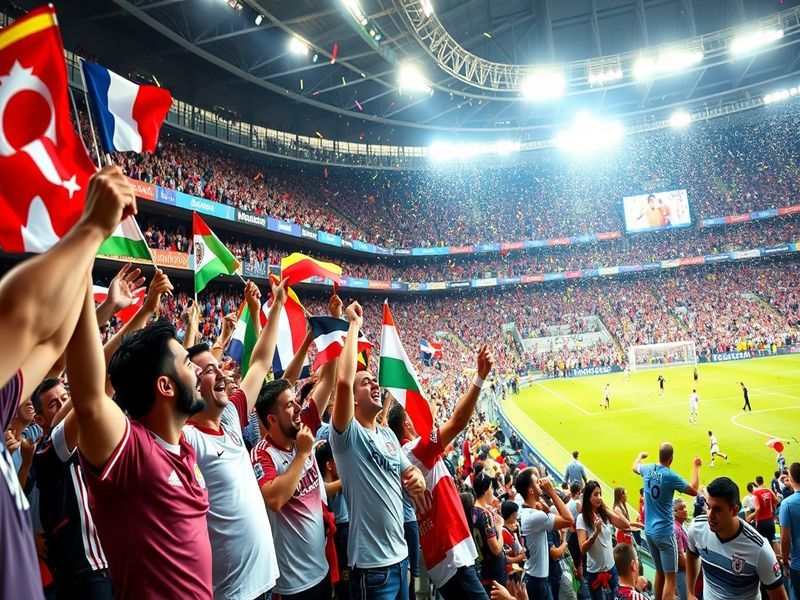
Overview of the 2026 World Cup Qualifiers
The 2026 FIFA World Cup is set to be a historic event, as it will be the first tournament hosted by three countries: the United States, Canada, and Mexico. As excitement builds, national teams across the globe are competing in the qualifiers, aiming for a coveted spot in this prestigious event. The qualification process is crucial, as it not only determines which teams will participate but also highlights regional rivalries and the evolving landscape of international football.
Qualification Format and Structure
The qualification process for the 2026 World Cup varies by confederation, each with its specific format and rules. This diversity reflects the unique characteristics and competitiveness of football in different regions. Here’s a breakdown of how qualifications are structured across major confederations:
- UEFA (Europe): 55 teams compete for 16 spots, with a series of group matches followed by playoffs.
- CONMEBOL (South America): 10 teams play in a round-robin format, with the top four qualifying directly.
- CONCACAF (North America): The host nations automatically qualify, while other teams face a series of knockout rounds.
- CAF (Africa): 54 teams compete in a multi-round qualification process, with several slots available.
- AFC (Asia): Teams go through multiple rounds, with a mix of group stages and knockout matches.
- OFC (Oceania): Limited teams compete for one spot, often through a playoff.
Key Matches and Moments
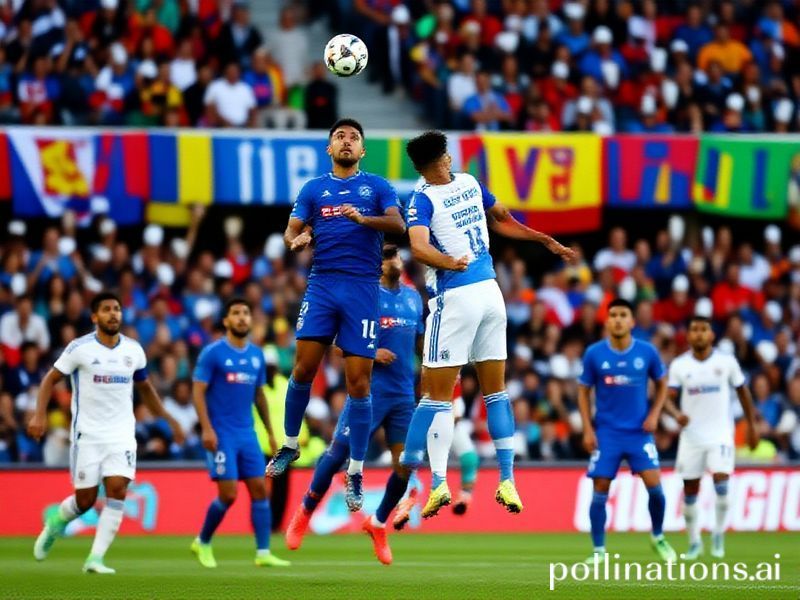
As the qualifiers progress, several key matches have already caught the attention of fans. In Europe, traditional powerhouses like Germany and France are battling it out, while emerging teams such as Portugal and the Netherlands are also making strong cases for qualification. In South America, the competition is fierce, with teams like Brazil and Argentina facing tough challenges from rivals like Colombia and Chile.
In the initial stages, unexpected results can shift the dynamics of group standings. For instance, a surprising draw or loss can lead to a shift in momentum, impacting a team’s chances and strategy moving forward. Each match not only affects standings but also the morale of players and fans alike.
Cultural Significance of the Qualifiers
The World Cup qualifiers are not merely a series of football matches; they symbolize national pride, cultural identity, and community spirit. In many countries, football is a unifying force that transcends social and economic barriers. The qualifiers serve as a platform for nations to showcase their talent and aspirations on a global stage.
For fans, these matches are often more than just games; they represent hope and ambition. Local communities come together to support their national teams, creating a vibrant atmosphere filled with passion. The qualifiers also highlight regional rivalries, leading to intense matches that draw significant attention.
Furthermore, the impact of these qualifiers extends beyond the pitch. They influence various sectors, including tourism, media, and merchandise sales. As teams vie for a place in the World Cup, local businesses often see a boost in revenue from fan engagement and celebrations.
Conclusion
The 2026 World Cup qualifiers are shaping up to be a thrilling journey for teams and fans alike. With a diverse range of formats and intense competition, the road to the tournament will undoubtedly bring surprises and memorable moments. As nations battle for glory, the cultural significance of these matches will resonate far beyond the football field, uniting communities and fostering national pride. The excitement for the World Cup is palpable, and with each passing match, the anticipation continues to build.
For more insights into the world of sports, visit our Sports section. Stay tuned as we follow the journey of teams making their way to the 2026 World Cup.