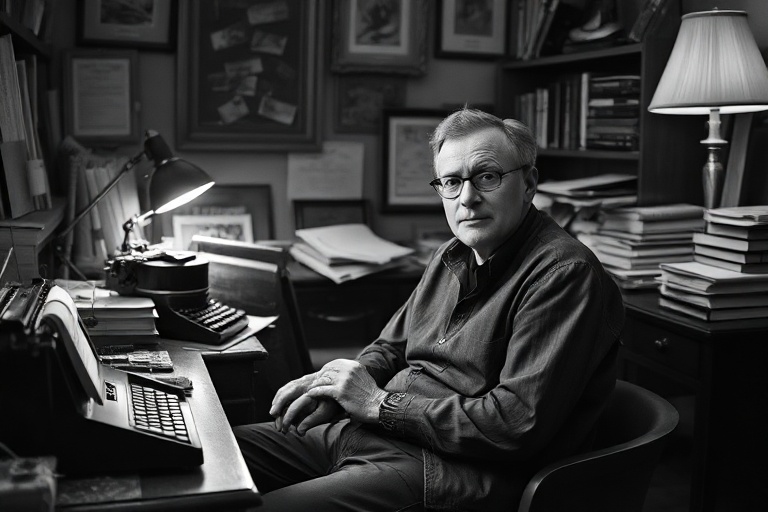
Andrew McCarthy’s Reinvention: From Brat Pack to Respected Filmmaker
Andrew McCarthy’s career spans four decades, yet his evolution from teen heartthrob to thoughtful filmmaker remains one of Hollywood’s most compelling reinventions. While many actors transition behind the camera, McCarthy’s journey stands out for its authenticity and gradual mastery of craft. He didn’t just shift roles—he redefined what it means to build a meaningful career in the entertainment industry.
Born in 1962 in New York City, McCarthy first captured public attention as a member of the Brat Pack in the 1980s, starring in films like St. Elmo’s Fire and Pretty in Pink. Those roles cemented his place in pop culture, but McCarthy always harbored a deeper creative impulse. Over time, that impulse led him to writing, directing, and producing, culminating in a body of work that reflects both personal growth and artistic ambition.
The Transition: From Actor to Storyteller
McCarthy’s shift from acting to storytelling wasn’t sudden. It was deliberate. After years of working in front of the camera, he began writing as a way to process his experiences—both on set and in life. His debut novel, The Longest Way Home (2012), was a reflective memoir about travel, self-discovery, and the search for meaning. The book wasn’t just a commercial success; it signaled a new phase in his creative identity.
Directing followed naturally. McCarthy helmed episodes of television series like Orange Is the New Black and The Blacklist, earning respect for his ability to guide performances with a writer’s precision. His directorial style blends intimacy with clarity, often focusing on character-driven narratives rather than flashy visuals. This approach reflects his roots in ensemble storytelling, where emotional truth matters more than spectacle.
Key Elements of McCarthy’s Directorial Approach
- Character First: McCarthy prioritizes authentic character development over stylistic excess.
- Collaborative Spirit: He values input from actors and crew, fostering a creative environment.
- Narrative Restraint: His films and TV episodes often rely on quiet moments to convey depth.
- Personal Connection: Many of his projects explore themes of identity, belonging, and transformation.
This evolution wasn’t just about changing roles—it was about reclaiming agency over his artistic voice. In an industry that often pigeonholes actors, McCarthy’s willingness to take creative risks has set him apart.
Why McCarthy’s Career Matters Beyond Hollywood
McCarthy’s journey offers broader lessons about reinvention, authenticity, and the value of lifelong learning. His transition from actor to writer-director mirrors a larger cultural shift: the demand for multi-dimensional creators who can shape stories from multiple perspectives. In an era where audiences crave depth and nuance, figures like McCarthy remind us that careers aren’t linear—they’re journeys of exploration.
Moreover, his work highlights the importance of mentorship in creative fields. As both a mentee (learning from directors like Judd Apatow) and a mentor (guiding younger actors and writers), McCarthy embodies the idea that growth is a collaborative process. This dual role reinforces the idea that storytelling thrives on shared experience.
His involvement in projects like Orange Is the New Black also underscores his commitment to diverse narratives. By amplifying underrepresented voices, McCarthy contributes to a more inclusive industry—one where authenticity isn’t just a buzzword but a guiding principle.
The Future: What’s Next for Andrew McCarthy?
At 62, McCarthy shows no signs of slowing down. He continues to direct television, develop new projects, and write. His next book, Just Fly Away, explores themes of family and reconciliation, suggesting that his storytelling will only deepen with time. Fans can also expect more collaborations with emerging talent, as he seeks to bridge generational gaps in the industry.
One area to watch is his potential return to film. While he’s focused on TV in recent years, the medium offers unique opportunities for intimacy and experimentation. A feature-length directorial project could further solidify his legacy as a filmmaker of substance.
For aspiring creatives, McCarthy’s career is a case study in patience and perseverance. He didn’t abandon acting; he expanded it. He didn’t chase trends; he followed his instincts. In doing so, he built a body of work that resonates with authenticity—a quality increasingly rare in today’s entertainment landscape.
As audiences continue to seek out stories that feel real, McCarthy’s contributions become even more relevant. Whether through his writing, directing, or public presence, he reminds us that reinvention isn’t about erasing the past—it’s about building on it.
Conclusion: A Career Built on Authenticity
Andrew McCarthy’s transformation from teen idol to respected filmmaker is more than a Hollywood success story. It’s a testament to the power of reinvention and the importance of staying true to one’s creative vision. His career underscores that talent alone isn’t enough—what matters is how you evolve with it.
In an industry often defined by fleeting fame, McCarthy has carved out a niche that prioritizes depth over spectacle. His work invites audiences to reflect, connect, and engage with stories that feel human. That’s a legacy worth following.
For those interested in exploring more about actors who transitioned into directing, visit our Entertainment and Analysis categories on Dave’s Locker. These sections feature in-depth profiles, industry insights, and career retrospectives that shed light on creative journeys across the entertainment world.