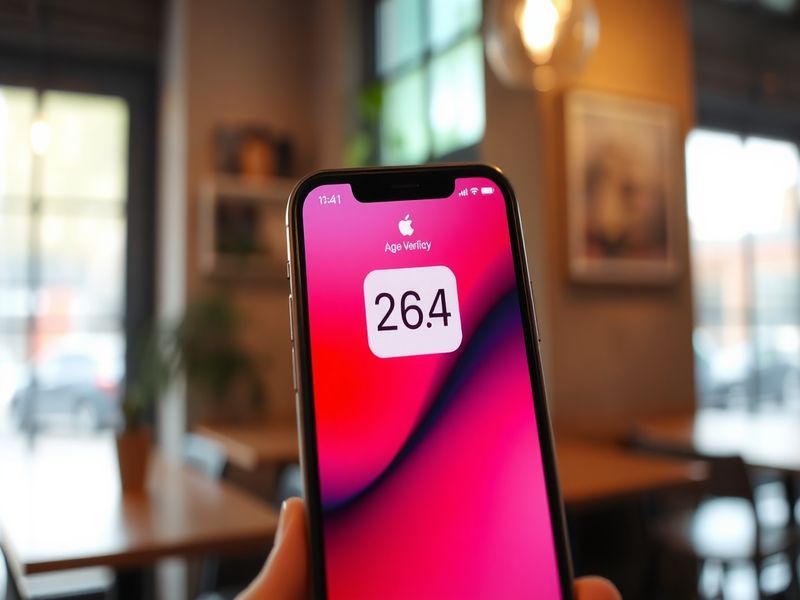
Introduction to iOS 26.4 Age Verification
Apple’s iOS 26.4 update brings significant changes to age verification processes across its platform. This feature aims to enhance user safety, particularly in applications that cater to younger audiences. As digital environments become increasingly complex, ensuring that age restrictions are adhered to is crucial.
What is Age Verification?
Age verification is a mechanism used by digital platforms to confirm the age of their users. This process helps prevent minors from accessing content that may be inappropriate for their age group. With iOS 26.4, Apple has introduced more stringent measures to verify user ages, particularly in apps related to social media, gaming, and adult content.
Key Features of iOS 26.4 Age Verification
The age verification feature in iOS 26.4 includes several notable aspects:
- Enhanced Privacy: User data is protected, ensuring that age verification does not compromise personal information.
- Multiple Verification Methods: Users can verify their ages through various means, such as government-issued IDs or third-party verification services.
- Developer Guidelines: Apple has provided clear guidelines for developers on how to implement age verification within their applications.
- Reporting Mechanism: Users can report any discrepancies or issues with age verification, allowing for quick resolutions.
Impact on Developers and Users
The rollout of age verification in iOS 26.4 poses challenges and opportunities for developers. On one hand, they must invest time and resources to comply with Apple’s new guidelines. This could involve integrating third-party services or modifying existing app structures. On the other hand, this feature enhances user trust, potentially leading to increased app engagement.
For users, particularly parents, the implications are significant. With tighter age controls, parents can feel more secure about their children’s app usage. Additionally, users may appreciate the enhanced focus on privacy and security that comes with these new measures. However, the implementation process might initially cause frustrations, especially if users encounter difficulties in verifying their ages.
Challenges in Implementing Age Verification
While the intention behind age verification is laudable, several challenges remain:
- Technical Hurdles: Developers may face difficulties in integrating new age verification systems within their applications.
- User Resistance: Some users may find the verification process cumbersome, leading to potential drop-offs in app usage.
- Legal Implications: Different regions have varying laws regarding age verification, complicating the implementation for global apps.
- False Positives/Negatives: The risk of incorrectly verifying a user’s age could lead to user dissatisfaction and potential legal challenges.
The Future of Age Verification in Digital Spaces
As digital platforms evolve, so too will the methods of age verification. Apple’s iOS 26.4 sets a precedent that could influence other tech giants. The focus on user safety and privacy is likely to drive further innovations in this space. As more companies adopt stringent age verification processes, the challenge will be to balance user experience with security needs.
In conclusion, the introduction of age verification in iOS 26.4 marks a significant step toward creating safer digital environments. While there are challenges ahead, both developers and users stand to benefit from the increased focus on privacy and security. For more insights on technology updates, visit our Technology section or explore the latest trends in News.