Washington Dulles International Airport (IAD) and Ronald Reagan Washington National Airport (DCA) are two of the busiest airports serving the nation’s capital, with TSA security lines frequently making headlines. Whether you’re a frequent flyer or planning a once-in-a-lifetime trip, understanding TSA wait times at DCA can save you hours of frustration. This guide breaks down what’s driving current wait times, how to navigate them, and why they matter beyond the security checkpoint.
The Current State of DCA TSA Wait Times
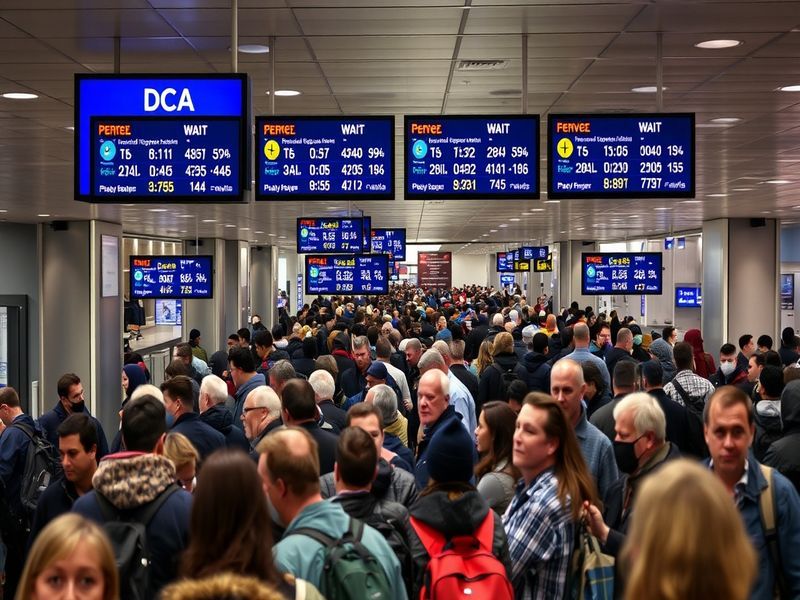
As of mid-2024, DCA TSA wait times continue to fluctuate based on seasonality, staffing levels, and unforeseen operational challenges. The Transportation Security Administration (TSA) publishes real-time wait times on its website and mobile app, but travelers often find the numbers don’t match their experience. This discrepancy stems from variations in lane configurations, passenger flow, and the unpredictable nature of security screening.
Recent data from the TSA shows average wait times at DCA hovering around 20–30 minutes during peak hours, with spikes exceeding 60 minutes on weekends and holidays. These delays aren’t isolated to DCA; airports across the country are grappling with similar challenges as travel demand rebounds post-pandemic. However, DCA’s proximity to downtown Washington, D.C., makes it particularly vulnerable to congestion, especially during major events like presidential inaugurations or protests.
Key Factors Influencing Wait Times
Several variables contribute to TSA wait times at DCA:
- Time of day: Early mornings (5–8 AM) and evenings (5–9 PM) typically see the longest lines.
- Day of the week: Weekends and holidays are consistently busier than weekdays.
- Travel season: Summer and major holidays (Thanksgiving, Christmas, Spring Break) drive demand.
- TSA staffing levels: Understaffed checkpoints can exacerbate delays, even during slower periods.
- Passenger behavior: Last-minute arrivals and complex bag configurations slow down the process.
How to Beat the DCA TSA Wait Time
While you can’t control the TSA’s efficiency, you can optimize your approach to minimize wait times. The most effective strategy is to arrive early—TSA recommends arriving at least two hours before a domestic flight and three hours before an international departure. But arriving early only helps if you’re prepared. Pack smartly: keep liquids in a clear quart-sized bag, wear easily removable shoes, and avoid metallic accessories. These small steps can shave minutes off your screening time.
Another tactic is to use TSA PreCheck if you’re eligible. PreCheck members typically move through security in under 10 minutes, bypassing the need to remove laptops or shoes. For those who fly frequently, enrolling in PreCheck (or Global Entry for international travelers) is one of the best investments in time savings. The application process can be tedious, but the long-term benefits outweigh the hassle for frequent flyers.
Digital tools also play a crucial role in planning. The TSA website and mobile app provide real-time wait times, but third-party apps like MyTSA and FlightAware offer additional insights. These platforms often include crowd-sourced data, giving travelers a more granular view of congestion patterns. For example, if you see wait times spike at 7 AM on a Tuesday, you might opt for a later flight or adjust your arrival time accordingly.
Broader Implications of DCA’s TSA Wait Times
The impact of DCA’s TSA wait times extends beyond individual inconvenience. For the local economy, prolonged security delays can deter business travelers and tourists, potentially affecting revenue for nearby hotels, restaurants, and attractions. The Washington, D.C., metro area relies heavily on tourism, with iconic landmarks like the National Mall and Smithsonian museums drawing millions annually. If travelers consistently face two-hour waits at security, they may opt for alternative airports like Baltimore-Washington International (BWI) or even choose virtual meetings over in-person visits.
There’s also a political dimension. DCA is a hub for government officials, lobbyists, and diplomats, many of whom have little patience for long security lines. Extended wait times can disrupt schedules for lawmakers and staff, leading to calls for policy changes. In 2023, Congress introduced legislation to increase TSA funding and streamline hiring processes, citing DCA’s congestion as a prime example of nationwide inefficiencies. While funding alone won’t solve the problem, it’s a step toward addressing staffing shortages and outdated infrastructure.
The environmental impact of TSA wait times is another overlooked consequence. Idling cars in long security lines contribute to unnecessary carbon emissions, particularly in a region like DCA, where traffic congestion is already a major issue. Some airports have experimented with dedicated rideshare drop-off zones or expanded public transit options to reduce vehicle emissions, but DCA has yet to implement large-scale solutions.
The Future of DCA TSA Wait Times
Looking ahead, the TSA and airport authorities are exploring several strategies to reduce wait times. One promising development is the expansion of automated screening lanes, which use advanced imaging technology and conveyor belts to process passengers more efficiently. These lanes have already been deployed at airports like Atlanta and Denver, with DCA testing similar systems in select terminals.
Another potential solution is increased automation in the PreCheck application process. Currently, applicants must schedule an in-person interview, which can take weeks to secure. The TSA has proposed piloting virtual interviews in select cities, including Washington, D.C., which could significantly shorten wait times for background checks and approvals.
However, technological advancements alone won’t solve the problem. Staffing remains a critical issue, with the TSA struggling to retain screeners due to burnout and low wages. In 2023, the agency raised starting salaries to $45,000, but retention rates have yet to improve markedly. Until these underlying challenges are addressed, travelers will continue to face unpredictable wait times.
For now, the best approach is a combination of preparation, flexibility, and awareness. Check wait times before leaving for the airport, enroll in PreCheck if you’re eligible, and consider alternative travel times if possible. While DCA’s TSA wait times may never disappear entirely, proactive planning can turn a stressful ordeal into a manageable part of your journey.
Final Thoughts
DCA’s TSA wait times are more than just a minor inconvenience—they reflect broader trends in travel, technology, and policy. As airports evolve, so too must the systems designed to keep them running smoothly. For travelers, the key is to adapt. Whether that means leveraging technology, adjusting travel habits, or advocating for systemic change, there’s always a way to make the process a little easier. And if all else fails, there’s always the option to book an extra-large coffee and embrace the wait.