DCA TSA Wait Times: What Travelers Need to Know
Understanding DCA and TSA Wait Times
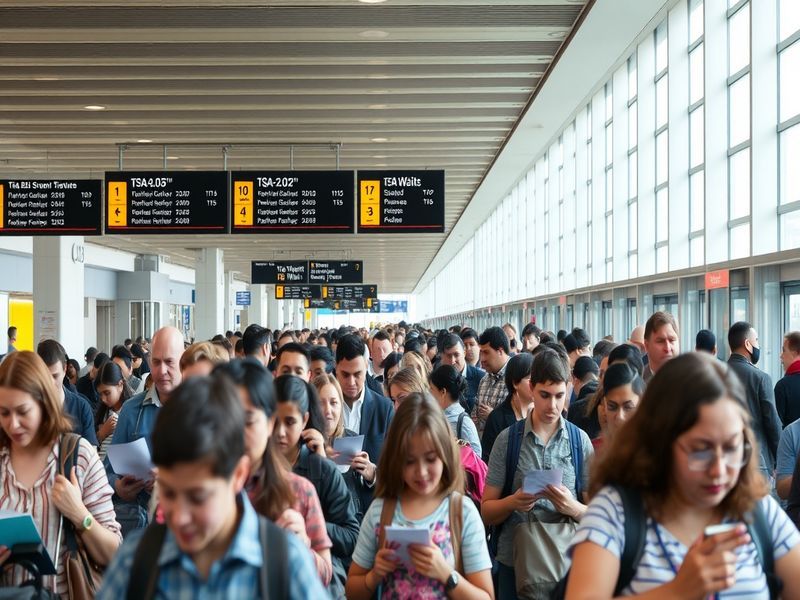
Ronald Reagan Washington National Airport (DCA) serves as a critical gateway for travelers heading into the nation’s capital. Like many major airports, it faces challenges with security wait times, particularly during peak travel periods. The Transportation Security Administration (TSA) plays a pivotal role in managing these wait times, balancing efficiency with thorough security screening.
Wait times at DCA can vary significantly depending on factors such as time of day, day of the week, and seasonal travel patterns. The TSA uses a combination of technology, staffing, and operational strategies to mitigate long lines. However, unexpected surges in passenger volume or staffing shortages can still lead to delays.
Peak Travel Times and Seasonal Trends
DCA experiences its highest passenger volumes during major holidays, summer vacations, and special events in Washington, D.C. For example, the weeks surrounding Independence Day, Thanksgiving, and Christmas often see wait times exceeding 30 minutes during peak hours. The TSA publishes historical wait time data, which can help travelers plan their trips more effectively.
Weekday mornings and evenings are typically busier due to business travelers, while weekends tend to attract leisure travelers. The TSA’s Travel Tips page offers insights into the best times to arrive at the airport to avoid long lines.
TSA’s Approach to Managing Wait Times
The TSA employs several strategies to manage wait times at DCA. These include deploying additional officers during peak periods, utilizing automated screening lanes to speed up the process, and implementing the TSA PreCheck program to expedite security for pre-approved travelers.
DCA also benefits from the TSA’s Known Crewmember program, which allows airline crew members to use expedited screening lanes. Additionally, the airport has invested in technology such as computed tomography (CT) scanners, which can process bags more quickly and reduce bottlenecks at checkpoints.
The TSA’s MyTSA app provides real-time wait time updates, allowing travelers to monitor conditions before arriving at the airport. This tool has become increasingly popular as passengers seek to minimize uncertainty during their journeys.
How Travelers Can Prepare for Security
To reduce wait times, travelers can take several proactive steps. Arriving at the airport at least two hours before a domestic flight and three hours before an international flight is a general guideline. However, checking the TSA’s website or app for real-time updates can provide more precise timing.
Travelers should also ensure they are prepared for security screening by:
- Wearing slip-on shoes to speed up the shoe removal process.
- Keeping electronics and liquids easily accessible in their carry-on bags.
- Signing up for TSA PreCheck if they frequently travel, as it can significantly reduce wait times.
- Monitoring the TSA’s social media accounts for last-minute updates on checkpoint closures or delays.
Another useful resource is the Airport Guides section on Dave’s Locker, which offers detailed information on navigating DCA and other major airports.
Comparing DCA to Other Major Airports
DCA is often considered one of the more efficient airports in the Washington, D.C. area, particularly when compared to Dulles International Airport (IAD) or Baltimore/Washington International Thurgood Marshall Airport (BWI). While DCA benefits from its proximity to the city and shorter security lines, its smaller size also limits capacity during peak travel periods.
For context, here’s a comparison of average wait times at DCA versus other nearby airports during a typical weekday:
- DCA: 15–25 minutes
- IAD: 20–35 minutes
- BWI: 10–20 minutes
These averages can fluctuate based on seasonal demand and operational factors. Travelers should consider this variability when planning their trips, especially if they have connecting flights or tight schedules.
Future Improvements and Traveler Expectations
The TSA and DCA continue to explore ways to improve security wait times. Recent initiatives include expanding the use of biometric screening, increasing the number of TSA officers during peak periods, and enhancing passenger education on security procedures.
However, travelers should remain mindful that security wait times are influenced by factors beyond the TSA’s control, such as unpredictable passenger behavior or unforeseen operational challenges. Staying informed and prepared remains the best strategy for minimizing delays.
As the aviation industry evolves, DCA and the TSA are likely to adopt new technologies and strategies to further streamline the security process. For now, travelers can use the tools and resources available to navigate wait times more effectively.
Final Thoughts on DCA and TSA Wait Times
Navigating security wait times at DCA requires a combination of preparation, awareness, and flexibility. While the TSA and airport authorities work to minimize delays, travelers must also take responsibility for their own experiences by planning ahead and staying informed.
For those frequently traveling through DCA, signing up for TSA PreCheck or enrolling in a trusted traveler program can make a significant difference. Additionally, using real-time tools like the MyTSA app can help travelers adjust their plans on the fly and avoid unnecessary stress.
Ultimately, understanding the factors that influence wait times—whether they’re seasonal trends, operational adjustments, or technological advancements—can empower travelers to make smarter decisions. As DCA continues to serve as a vital hub for the nation’s capital, both the TSA and passengers will need to adapt to ensure smooth and efficient journeys.