The Space Potato: Don Pettit’s Unique Experiment
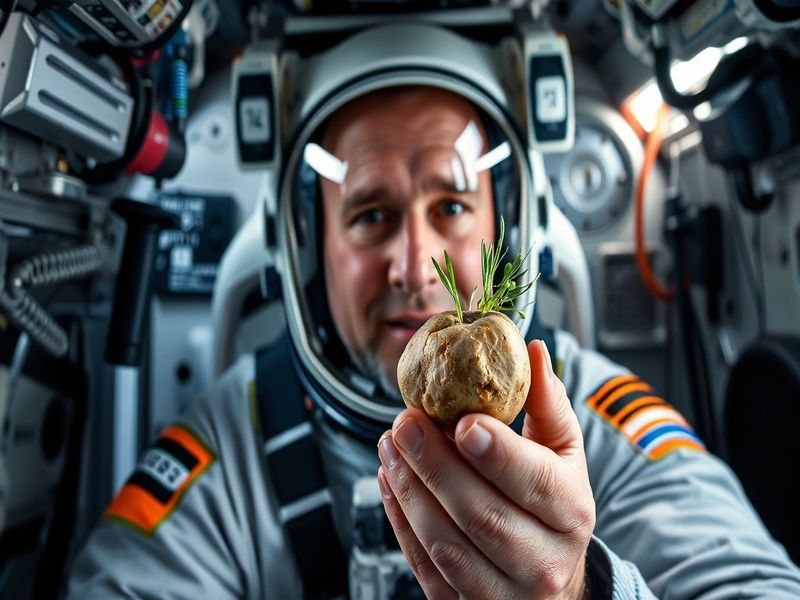
Don Pettit, a NASA astronaut, is not just known for his contributions to science and space exploration. He has also become an unlikely figure in the realm of gardening, specifically with his innovative space potato experiment aboard the International Space Station (ISS). This initiative explored the potential for growing food in microgravity, a crucial aspect for long-duration space missions.
The Experiment: Growing Potatoes in Space
In 2015, Pettit initiated a project that involved growing potatoes in a controlled environment onboard the ISS. This experiment was part of a broader effort to understand how plants adapt to space conditions. The results could have significant implications for future missions, especially those targeting Mars or extended stays in space.
To carry out this experiment, Pettit and his team used specially designed growth chambers. The potatoes were grown in a nutrient-rich medium, simulating soil on Earth. The goal was to assess how well these plants could grow without the typical gravitational pull. This research aimed to address two primary questions:
- Can plants grow in microgravity?
- What are the nutritional benefits of space-grown food?
Benefits of Space Agriculture
The implications of successfully growing food in space extend beyond just feeding astronauts. There are several benefits to developing agricultural systems in extraterrestrial environments:
- Sustainability: Growing food reduces the need for resupply missions from Earth.
- Nutritional Value: Fresh produce provides essential vitamins and minerals that are vital for long-term health.
- Psychological Well-being: Tending to plants can improve mental health during long missions.
- Research Opportunities: Understanding plant biology in space can lead to advancements in both space and terrestrial agriculture.
The research conducted by Pettit and his team contributes to a growing body of knowledge on how plants react to space environments. This knowledge can inform future endeavors, such as establishing colonies on Mars or the Moon.
Cultural Impact and Public Fascination
The idea of a “space potato” has captured public imagination. It has transcended scientific circles, becoming a symbol of hope and innovation. As astronauts like Pettit share their experiences through social media and public forums, they engage with a broader audience, promoting interest in space exploration.
This phenomenon has led to various cultural references, from memes to educational programs aimed at inspiring the next generation of scientists and explorers. The simple concept of growing potatoes in space has sparked discussions about food security, sustainability, and the future of humanity in space.
Moreover, the project aligns with global efforts to address food shortages on Earth. By researching how to grow food in extreme environments, scientists can develop techniques that might be applied to arid regions on our planet. This dual focus on space and Earth agriculture emphasizes the interconnectedness of our challenges.
Future Prospects and Conclusion
As we look to the future, the work of Don Pettit and his colleagues paves the way for further exploration in both space agriculture and planetary colonization. The successful growth of potatoes in microgravity is just the beginning. Future missions will likely explore a wider variety of crops, testing their growth and nutritional profiles in space.
In conclusion, Don Pettit’s space potato experiment is a remarkable intersection of science, culture, and sustainability. It highlights the importance of innovation in addressing both space exploration needs and terrestrial food security challenges. As humanity ventures further into the cosmos, the lessons learned from these experiments will undoubtedly shape our approach to life beyond Earth.
For more insights into the intersection of science and culture, visit our Science section or explore the latest trends in agriculture in our Trending category.