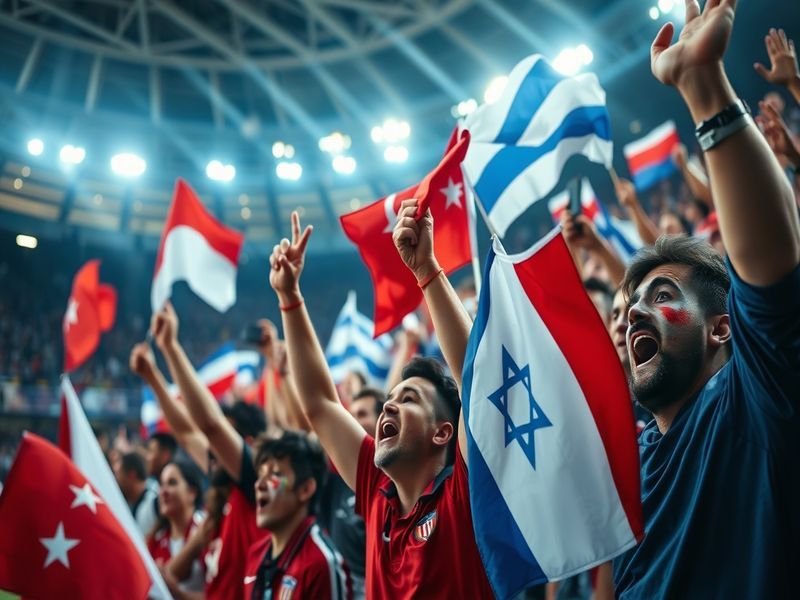
Georgia vs Israel: A Historical Overview
The relationship between Georgia and Israel is rooted in a rich tapestry of history, culture, and geopolitical interests. Georgia, a country located at the crossroads of Eastern Europe and Western Asia, has maintained diplomatic relations with Israel since the early 1990s. This alliance has developed over the years, encompassing various aspects such as trade, military cooperation, and cultural exchange.
Israel, on the other hand, has viewed Georgia as a strategic partner in the Caucasus region. The two nations share common interests, particularly in security matters and economic development. This article explores the multifaceted relationship between Georgia and Israel, examining historical ties, economic partnerships, and current geopolitical dynamics.
Historical Ties
The Jewish presence in Georgia dates back over 2,500 years, making it one of the oldest Jewish communities in the world. The history of Jews in Georgia is characterized by a unique blend of cultural integration and preservation of identity. This longstanding presence has fostered a deep-rooted connection between the two nations.
Following the collapse of the Soviet Union, Georgia and Israel established formal diplomatic relations in 1992. Since then, the two countries have worked to strengthen their ties. Notably, Israel has supported Georgia during times of conflict, including the 2008 war with Russia. This solidarity has further solidified their partnership and showcased Israel’s commitment to Georgian sovereignty.
Economic and Military Cooperation
In recent years, economic collaboration has flourished between Georgia and Israel. The two countries have engaged in various trade agreements, leading to increased exports and imports. Israel exports technology, agricultural products, and military equipment to Georgia, while Georgia provides a market for Israeli goods and services.
Military cooperation has also become a cornerstone of their relationship. Israel has provided military training and equipment to the Georgian armed forces, enhancing their capabilities. This collaboration is crucial for Georgia, especially in light of regional security threats.
- Military training programs
- Joint defense projects
- Intelligence sharing
- Trade in military equipment
Such initiatives reflect a mutual understanding of the importance of security in the region. Georgia’s strategic location makes it an essential ally for Israel, especially as tensions rise in neighboring areas.
Cultural Exchange and People-to-People Connections
Cultural ties between Georgia and Israel extend beyond politics and economics. The Jewish community in Georgia plays a vital role in fostering cultural exchange. Festivals, art exhibitions, and culinary events often showcase the shared heritage of both nations.
Moreover, the migration of Georgian Jews to Israel has created a bridge between the two countries. Many Georgians have settled in Israel, contributing to the vibrant multicultural landscape of the nation. These individuals often maintain strong ties to their homeland, facilitating ongoing cultural dialogue.
Educational exchanges have also become more prevalent, with programs aimed at promoting understanding and cooperation. Universities in both countries are increasingly collaborating on research projects and student exchanges, enriching the academic landscape.
Current Geopolitical Dynamics
The geopolitical landscape in the Caucasus is continually evolving, and Georgia’s relationship with Israel remains significant. As tensions escalate in neighboring regions, particularly with Russia, Georgia seeks to strengthen its alliances with Western nations, including Israel.
Israel’s strategic interests in the Caucasus align with Georgia’s aspirations for security and economic development. Both countries are keen to counterbalance Russian influence in the region, which has implications for their respective national security strategies.
Furthermore, the growing cooperation between Georgia and Israel may have broader implications for regional stability. As both nations engage with other countries in the area, their partnership could pave the way for enhanced diplomatic relations and economic opportunities.
In conclusion, the relationship between Georgia and Israel is multifaceted, encompassing historical, economic, military, and cultural dimensions. As both nations navigate the complexities of the current geopolitical climate, their partnership is likely to continue evolving. Strengthening ties will not only benefit Georgia and Israel but also contribute to stability in the Caucasus region.