Exploring the Global Significance of Ballots in Elections
Understanding the Concept of Ballots
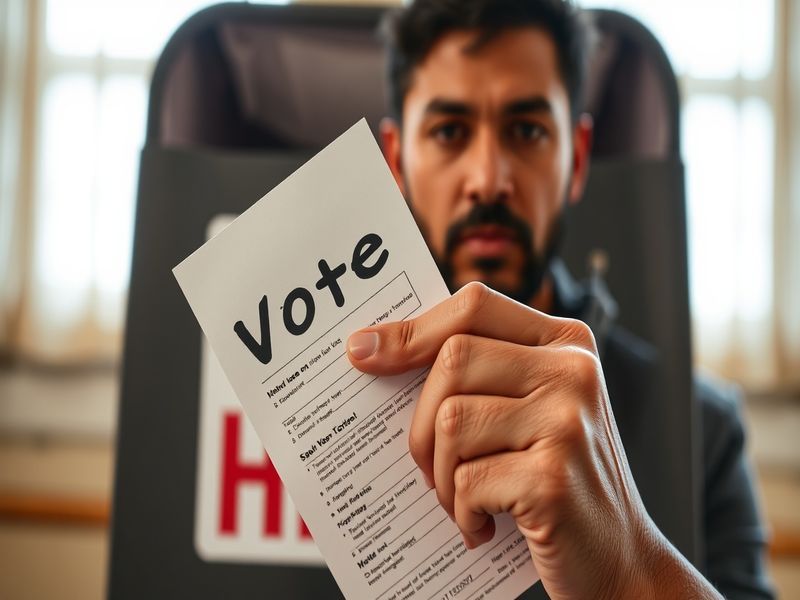
The term “ballot” is widely recognized as a fundamental element of democratic processes around the globe. It serves as a tool for individuals to express their preferences during elections, whether for political candidates or policy decisions. The concept of the ballot has evolved significantly over time, influenced by cultural, technological, and legal developments.
At its core, a ballot is a mechanism for casting votes. It can take various forms, including paper ballots, electronic voting machines, and even online voting platforms. Each type has its pros and cons, impacting voter participation and election integrity.
The Evolution of Ballots
Historically, the use of ballots dates back to ancient civilizations. The Greeks used pebbles to cast votes, while the Romans developed more sophisticated methods. Over centuries, the ballot system has undergone transformations shaped by cultural attitudes and technological advancements.
- Ancient Practices: Early voting methods included stones and pieces of wood.
- Secret Ballot: Introduced in the 19th century, this system aimed to protect voter privacy.
- Electronic Voting: Emerging in the late 20th century, electronic systems have aimed to streamline the voting process.
- Online Voting: Recently developed, this method raises questions about security and accessibility.
Each evolution reflects societal changes and attempts to improve the electoral process. For instance, the introduction of the secret ballot aimed to reduce voter intimidation and corruption. In modern times, the shift towards electronic and online voting seeks to enhance convenience and accessibility.
Global Perspectives on Ballot Usage
Ballot systems vary significantly across different countries, influenced by political structures, cultural norms, and historical contexts. For example, in the United States, ballots are often complex, with options for various local, state, and federal offices, as well as referendums. Voters face a multitude of choices, which can sometimes lead to confusion.
In contrast, countries like Sweden utilize a straightforward ballot system that emphasizes simplicity and efficiency. Voters receive a single ballot with clear options, enhancing participation rates. Regardless of the system, the underlying goal remains the same: to empower citizens to have a say in their governance.
The Role of Technology in Modern Voting
As technology continues to advance, its role in the voting process has become increasingly significant. Electronic voting machines and online ballots offer conveniences that traditional paper ballots cannot. However, these innovations also come with challenges.
- Security Concerns: The rise of cyber threats raises questions about the integrity of electronic voting.
- Accessibility Issues: While technology can enhance convenience, it may also alienate voters who lack digital literacy.
- Cost Implications: Implementing and maintaining electronic systems can be expensive for governments.
Proponents argue that technology can improve voter turnout and streamline the counting process. Detractors caution against potential vulnerabilities and emphasize the importance of maintaining robust security measures.
In many regions, there is ongoing debate about the balance between innovation and tradition in voting practices. Some advocate for a return to paper ballots, citing their reliability and simplicity. Others push for the adoption of more advanced systems, arguing that they can enhance voter engagement and participation.
Conclusion
The topic of ballots encompasses a rich tapestry of history, culture, and technology. As societies continue to evolve, so too will the methods by which citizens express their preferences. Understanding the significance of ballots is crucial for appreciating the democratic process and the various factors that influence it.
As we move forward, the challenge will be to find a balance between tradition and innovation. Ensuring that every voice is heard and counted remains a fundamental tenet of democracy. For more insights into related topics, explore our Politics and News sections on Dave’s Locker.