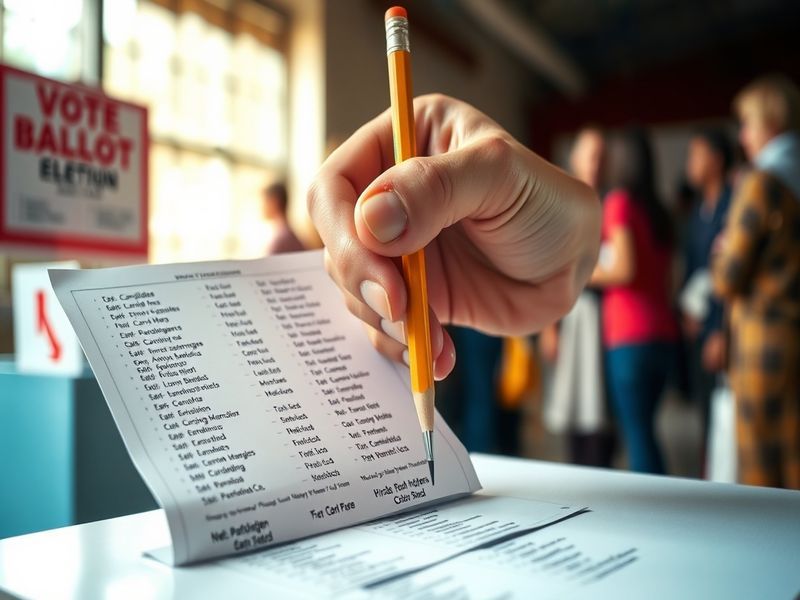
The Importance of Ballots in Democratic Processes
A ballot serves as a fundamental tool in democratic societies, allowing citizens to express their preferences during elections. This simple piece of paper or digital interface carries immense weight, as it ultimately determines the leadership and direction of a nation. The act of voting, facilitated by the use of ballots, is a powerful expression of individual choice and collective responsibility.
Types of Ballots Around the World
Ballots can take various forms, each reflecting the unique political and cultural landscapes of the regions in which they are used. Understanding these differences provides insight into how societies engage with their democratic processes.
- Paper Ballots: Traditional and widely used, paper ballots are often marked by hand and submitted into a ballot box. They are prevalent in many countries, including the United States and Canada.
- Electronic Ballots: Increasingly popular, electronic voting machines allow voters to cast their votes digitally. Nations like Brazil and India have implemented such systems to enhance efficiency and security.
- Mail-in Ballots: Also known as absentee ballots, these allow voters to receive and submit their votes by mail. This method has gained traction, especially during the COVID-19 pandemic, as seen in numerous elections worldwide.
- Ranked Choice Voting: This system allows voters to rank candidates in order of preference. It is used in various regions, including Australia and some states in the U.S., promoting more nuanced voting outcomes.
Ballots and Cultural Context
The significance of ballots transcends mere functionality; they are steeped in cultural context and historical significance. In many nations, the right to vote has been hard-won through struggles for civil rights and social justice. For instance, in the United States, the Voting Rights Act of 1965 was a pivotal moment that aimed to eliminate racial discrimination in voting. This historical backdrop continues to influence contemporary discussions about electoral integrity and accessibility.
In contrast, some countries face challenges that hinder the effectiveness of their voting systems. Issues such as voter suppression, gerrymandering, and the disenfranchisement of certain groups can undermine the democratic process. Acknowledging these challenges is essential for fostering a more inclusive political environment. The cultural perception of ballots can also vary significantly; in some cultures, voting is seen as a civic duty, while in others, it may be viewed with skepticism.
Challenges and Innovations in Voting Systems
As societies evolve, so too do the methods of casting and counting votes. Technological advancements have introduced both opportunities and challenges in the realm of voting. While electronic voting systems promise efficiency, they also raise concerns about cybersecurity and reliability. Ensuring that all voters have access to secure and trustworthy voting methods remains a pressing issue.
- Security Concerns: The rise of electronic voting has led to increased scrutiny regarding the security of these systems. Cyberattacks on electoral infrastructure pose significant risks, prompting calls for enhanced security measures.
- Accessibility: Ensuring that all citizens, including those with disabilities, can participate in elections is crucial. Innovations such as accessible voting machines and mail-in ballots aim to address these needs.
- Voter Education: As voting methods change, educating the electorate about how to use new systems effectively is vital. This includes understanding the implications of different voting methods and the importance of informed voting.
Countries across the globe are experimenting with various approaches to improve their electoral systems. From blockchain technology to online voting platforms, the future of ballots is likely to be shaped by ongoing innovations and the lessons learned from past experiences.
Conclusion
The ballot is more than a mere tool for voting; it symbolizes the essence of democratic participation. As societies continue to grapple with the complexities of governance and representation, the evolution of ballots will play a crucial role in shaping the political landscape. By examining the various forms and cultural contexts of ballots, we gain deeper insights into the values and challenges that define democratic engagement worldwide. Ultimately, protecting and enhancing the ballot system is fundamental to ensuring that every voice is heard and every vote counts.