McDonald’s has spent decades perfecting its image as a family-friendly destination, where children’s laughter mixes with the clatter of Happy Meal toys. But in a surprising twist, the fast-food giant has begun testing a new concept: Happy Meals for adults. The move has sparked curiosity, skepticism, and more than a few memes across social media. Is this a savvy way to rebrand the chain for an older audience, or does it risk diluting the brand’s core identity?
The Birth of the Adult Happy Meal
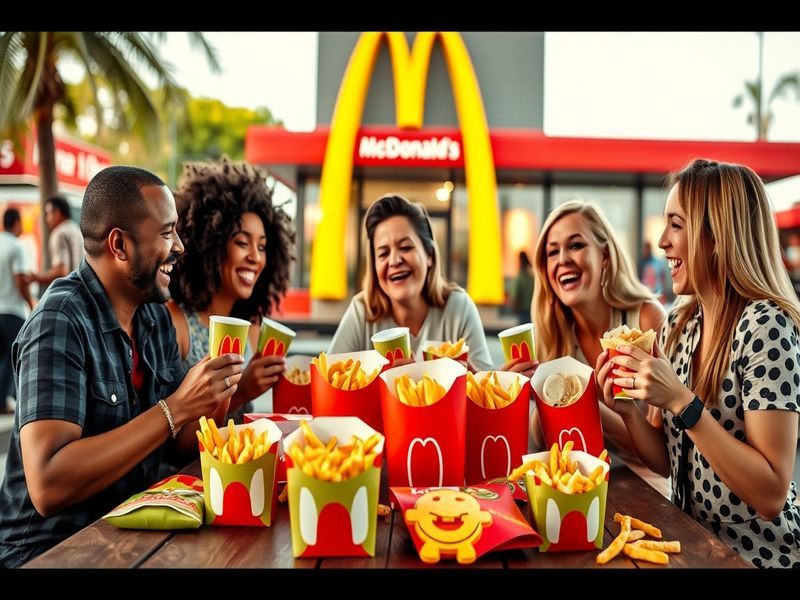
The idea isn’t entirely new. McDonald’s has flirted with adult-oriented marketing before, from the short-lived McDonald’s McCafé expansion to limited-time collaborations with trendy brands. But the Adult Happy Meal takes a different approach. In select markets, customers over 18 can order a Happy Meal—complete with a burger, fries, and a drink—paired with a collectible toy or a playful menu item like the “BTS Meal” or “Travis Scott Meals.”
The twist? These meals are often priced higher than standard combos and come with packaging designed to appeal to nostalgia rather than childhood whims. For example, some Adult Happy Meals feature minimalist toy designs or even QR codes linking to exclusive digital content. The goal, according to industry analysts, is to tap into millennials and Gen Z consumers who grew up with Happy Meals but now seek comfort in familiar brands—even in adulthood.
Why Adults Are Drawn to the Happy Meal
At first glance, the appeal seems counterintuitive. Happy Meals are, by definition, for children. Yet the nostalgia factor is undeniable. Many adults who grew up in the ‘80s and ‘90s associate the meals with happy memories, making them prime targets for a retro revival. The strategy mirrors the resurgence of vinyl records, retro video games, and even adult coloring books—products that leverage nostalgia to sell to an older demographic.
There’s also a psychological component at play. The compact, familiar packaging of a Happy Meal offers a sense of simplicity in an era of overwhelming consumer choices. The inclusion of a toy—even a “mature” one like a mini Lego set or a stress-relief figurine—adds an element of playfulness that contrasts with the seriousness of adult life.
The Broader Implications for Fast Food Marketing
McDonald’s isn’t the first brand to target adults with childhood nostalgia. Cereal companies, candy makers, and even toy manufacturers have long capitalized on the “nostalgia premium,” where older consumers pay more for products they remember from their youth. But the fast-food industry’s embrace of this trend raises questions about authenticity and market saturation.
For one, fast food is increasingly under scrutiny for its health implications. Adult Happy Meals, while still calorie-dense, are unlikely to win over health-conscious consumers. Instead, they cater to those seeking convenience and comfort—what some marketers call “emotional eating” in a post-pandemic world. The meals also reflect a broader shift in how brands engage with consumers: interactive, experiential, and shareable.
Key Takeaways from McDonald’s Adult Happy Meal Strategy
- Nostalgia as a Marketing Tool: By repackaging childhood favorites for adults, McDonald’s taps into a powerful emotional trigger.
- Higher Price Points: Adult Happy Meals are often priced at a premium, positioning them as specialty items rather than budget meals.
- Social Media Appeal: The novelty of the concept makes it highly photogenic, encouraging user-generated content and organic marketing.
- Brand Expansion: This move could help McDonald’s diversify its customer base beyond families and children.
- Potential Backlash: Critics argue that the strategy trivializes childhood experiences or misrepresents the original product’s purpose.
Will Adult Happy Meals Have Longevity?
The success of this initiative remains to be seen. Early reactions are mixed. While some consumers appreciate the playful twist, others view it as a gimmick or, worse, a cynical cash grab. The long-term viability of Adult Happy Meals will depend on several factors:
- Consumer Demand: Will adults continue to purchase these meals outside of limited-time promotions?
- Product Innovation: Can McDonald’s introduce new, adult-friendly variations that go beyond the classic burger-and-toy combo?
- Brand Perception: Will the association with childhood dilute McDonald’s family-friendly image, or will it attract a new segment of loyal customers?
- Competitive Response: If Adult Happy Meals gain traction, other fast-food chains may follow suit, leading to a crowded market.
One thing is certain: McDonald’s is betting big on the idea that adulthood doesn’t have to mean the end of joyful, uncomplicated meals. Whether this strategy resonates beyond the initial novelty phase remains an open question.
Conclusion: A Bold Experiment or a Passing Fad?
McDonald’s Adult Happy Meals represent a fascinating case study in how brands adapt to changing consumer tastes. By blending nostalgia with modern marketing tactics, the fast-food giant is attempting to carve out a new niche without alienating its core audience. Whether this experiment succeeds or fails, it highlights a broader trend in consumer culture: the blurring of lines between childhood and adulthood.
For now, the Adult Happy Meal is a curiosity—a playful nod to the past that may or may not have a future. But in an industry where innovation is often met with resistance, McDonald’s willingness to take risks could be the very thing that keeps it relevant for another generation.