The Global Impact of World Cup Football
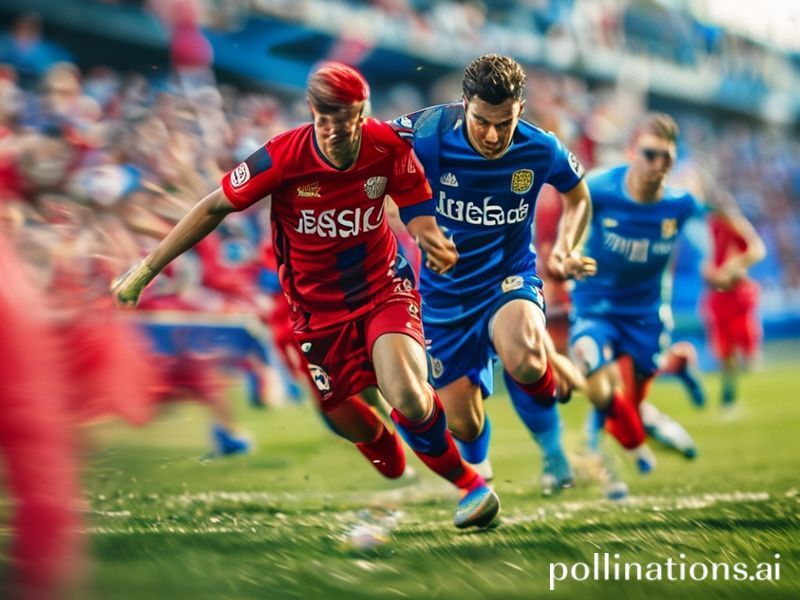
World Cup football stands as one of the most significant sporting events in the world. Every four years, countries come together to compete for the ultimate prize in football, showcasing not only athletic prowess but also national pride. The tournament transcends borders, cultures, and languages, uniting billions of fans in a shared passion for the beautiful game.
Historical Context
The FIFA World Cup, first held in 1930, has evolved dramatically over the decades. Initially, it featured a mere 13 teams, but today it includes 32, with plans to expand to 48 teams by the 2026 tournament. This expansion reflects the growing popularity of football worldwide, particularly in regions like Africa and Asia, which have increasingly become powerhouses in the sport.
From the iconic moments of Diego Maradona’s “Hand of God” goal in 1986 to the thrilling final match of 2014, the World Cup has provided countless memorable experiences. Each tournament tells a story, showcasing the evolution of football tactics, player development, and national identities.
Cultural Significance
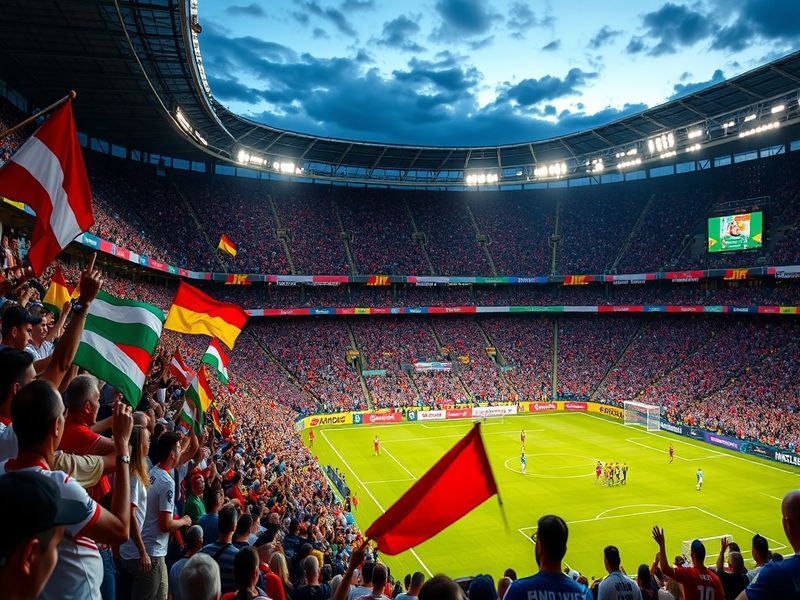
World Cup football goes beyond mere competition; it serves as a cultural touchstone for many nations. It is a time when communities come together, regardless of social or economic divides. The event fosters a sense of unity and shared identity among fans, creating a vibrant atmosphere filled with celebrations, songs, and rituals.
- National Pride: Countries rally behind their teams, often painting their faces and wearing national colors.
- Economic Boost: Host nations typically experience a significant influx of tourism, impacting local economies positively.
- Global Attention: The World Cup garners media coverage from around the globe, shining a spotlight on host nations and their cultures.
Furthermore, the tournament has the power to influence social issues. For example, the 2014 World Cup in Brazil sparked discussions on economic inequality and government spending, highlighting the complexities surrounding such a grand event. Similarly, the 2022 World Cup in Qatar raised concerns regarding human rights and labor practices, showcasing the delicate balance between sport and ethics.
Football as a Unifying Force
Football has the unique ability to bridge cultural gaps. During the World Cup, fans from diverse backgrounds come together to cheer for their teams, often sharing their love for the game with others. This unifying aspect helps to foster international friendships and understanding, as people bond over shared experiences and emotions.
Not only does the event bring together fans from various countries, but it also showcases talents from around the world. Players from different backgrounds, ethnicities, and nationalities compete on the same stage, serving as role models for aspiring athletes. The visibility of these players can inspire young fans, encouraging them to pursue their dreams, regardless of their circumstances.
Looking Ahead: Future of the World Cup
As we look ahead to future tournaments, several key developments are on the horizon. The introduction of new technology, such as VAR (Video Assistant Referee), aims to improve fairness in the game. Additionally, the expansion of the tournament format will allow more teams to participate, potentially leading to greater diversity in play styles and strategies.
The next World Cup, set to be held in the United States, Canada, and Mexico in 2026, marks a significant milestone as it will be the first tournament hosted by three nations. This collaboration highlights the growing influence of football across North America and promises to attract a wider audience.
Moreover, FIFA is increasingly focusing on sustainability and social responsibility. Initiatives aimed at promoting gender equality, environmental protection, and community engagement are becoming integral to the planning of future events. These efforts reflect a broader understanding of the role that sports can play in addressing global challenges.
In conclusion, World Cup football is much more than a sporting event; it is a celebration of culture, unity, and the human spirit. As the tournament continues to evolve, it will undoubtedly keep captivating audiences and influencing societies around the globe. Whether you are a die-hard fan or a casual observer, the World Cup remains a powerful reminder of the joy and connection that sports can bring.
Explore more about sports and stay updated on the latest events and analyses.