The Transportation Security Administration (TSA) underwent significant changes during Donald Trump’s presidency, reflecting his administration’s broader approach to national security and immigration. From tightened screening procedures to altered staffing priorities, these adjustments left a lasting impact on air travel in America. While some measures aimed to enhance security, others sparked debates about efficiency and fairness.
Under Trump, the TSA shifted its focus toward identifying potential threats more aggressively, particularly in response to evolving global terrorism tactics. This led to adjustments in passenger screening techniques and resource allocation. The administration also emphasized stricter enforcement of existing rules, which sometimes resulted in longer wait times at security checkpoints—a source of frustration for frequent travelers.
Key Policy Changes Under the Trump Administration
One of the most notable shifts was the increased use of advanced imaging technology, such as millimeter wave scanners, which became more widespread during this period. The TSA also expanded the use of behavioral detection officers, trained to identify suspicious passenger behavior. These changes were part of a broader strategy to preemptively address security risks before they reached critical stages.
The Trump administration also directed the TSA to prioritize certain routes and airports with higher perceived risks. This targeted approach meant that resources were concentrated in areas believed to be more vulnerable to threats, while less critical locations received comparatively fewer enhancements. Critics argued that this could lead to inconsistent security standards across the country.
Staffing was another area of focus. The TSA struggled with high turnover rates and staffing shortages, which the Trump administration attempted to address through recruitment campaigns and policy adjustments. However, the effectiveness of these measures varied, with some airports still facing long lines and understaffed checkpoints.
Immigration Enforcement and Passenger Screening
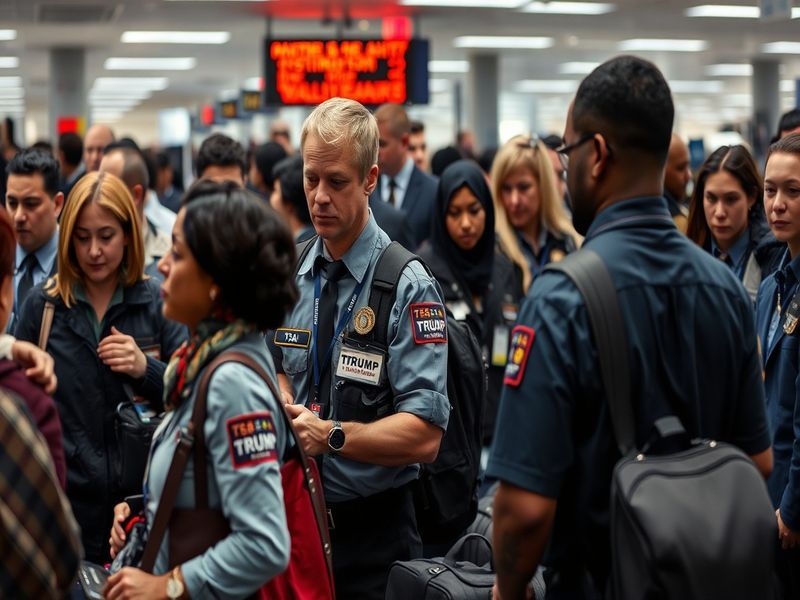
Immigration enforcement became a more visible component of TSA operations during Trump’s presidency. While the TSA is primarily responsible for security screening, its collaboration with Immigration and Customs Enforcement (ICE) intensified. This led to situations where passengers were detained or questioned based on their immigration status, raising concerns about racial profiling and due process.
For example, travelers from certain countries faced heightened scrutiny, not necessarily due to individual behavior but because of their nationality. This aligns with the administration’s broader immigration policies, which emphasized stricter border controls and deportation efforts. The TSA’s role in these efforts blurred the lines between security screening and immigration enforcement, creating legal and ethical debates.
Passengers who spoke out against these practices often faced pushback. Some reported being held for extended periods without clear explanations, while others described intimidating experiences at checkpoints. These incidents contributed to a growing perception that airport security was becoming more about immigration control than counterterrorism.
The Impact on Travelers and Airport Operations
The changes implemented by the TSA under Trump had a tangible effect on the travel experience. Longer wait times became a common complaint, particularly at major hubs like Los Angeles International Airport (LAX) and New York’s John F. Kennedy International Airport (JFK). These delays were often attributed to staffing shortages, increased screening procedures, and a lack of operational flexibility.
Frequent flyers, who rely on efficient security processes, were disproportionately affected. Business travelers and those with tight connections often found themselves missing flights due to extended screening times. Airlines and airports had to adapt by adjusting schedules and implementing pre-check programs to mitigate the impact on passengers.
For budget-conscious travelers, the changes also meant higher costs. Some opted for TSA PreCheck or Clear, paid programs that offered expedited screening. While these programs provided relief for some, they also highlighted the growing divide between those who could afford convenience and those who couldn’t.
Controversies and Public Backlash
The TSA’s expanded role in immigration enforcement drew significant criticism. Civil liberties groups argued that the agency was overstepping its mandate, using security screenings as a pretext for immigration-related actions. These concerns were amplified by high-profile cases where travelers were detained or denied entry based on factors unrelated to security threats.
One such incident involved a Muslim-American teenager who was pulled aside for additional screening on multiple occasions, despite having no prior record. His case became a symbol of the broader issues with profiling and inconsistent enforcement. Legal challenges followed, with advocacy groups pushing for clearer guidelines on when immigration status could be considered during security screenings.
Even within the TSA, there were internal disagreements about the agency’s expanded role. Some agents reportedly felt uncomfortable with tasks that went beyond traditional security duties. This internal conflict occasionally led to operational inefficiencies, as agents grappled with conflicting priorities.
Legacy and Lessons for Future Administrations
As the Trump administration transitioned out of office, the TSA was left with a mixed legacy. On one hand, certain security enhancements—such as the expanded use of advanced imaging technology—were retained and even expanded under subsequent administrations. These measures are now considered standard in many airports across the country.
On the other hand, the controversies surrounding immigration enforcement and inconsistent screening practices left a stain on the agency’s reputation. Critics argued that the TSA had become overly politicized, with its operations influenced by broader immigration policies rather than purely security concerns. This raised questions about whether the agency could ever fully return to a neutral, apolitical stance.
The challenges faced by the TSA during this period also highlighted the need for better staffing solutions and technological investments. Long wait times and understaffed checkpoints were not unique to the Trump era, but they were exacerbated by the administration’s policies. Moving forward, future administrations will need to address these operational issues to ensure a smooth and fair travel experience for all passengers.
For travelers, the lessons of this period are clear: security screening can be influenced by political priorities, and being prepared for potential delays is essential. Programs like TSA PreCheck remain valuable tools for those seeking to avoid the most crowded checkpoints, while advocacy groups continue to push for greater transparency and accountability within the agency.
As air travel continues to evolve, the TSA’s role will remain a topic of debate. The policies implemented during the Trump administration serve as a reminder of how security, immigration, and politics can intersect—and the challenges that arise when they do. Whether these lessons will lead to lasting reforms remains to be seen.
What Travelers Should Know Moving Forward
For those navigating airport security in the post-Trump era, understanding the current landscape is crucial. The TSA has largely reverted to focusing on traditional security screening, but the scars of the past administration’s policies remain. Here are a few key takeaways for travelers:
- Check your status: If you’re a frequent traveler, verify whether your TSA PreCheck or Clear membership is still active. These programs can significantly reduce wait times.
- Arrive early: Even with improvements, security lines can still be unpredictable. Arriving at least two hours before a domestic flight and three hours for international departures is a safe bet.
- Know your rights: If you feel you’ve been unfairly targeted, document the incident and consider reaching out to a legal advocacy group. Organizations like the American Civil Liberties Union (ACLU) provide resources for travelers facing discrimination.
- Stay informed: Follow updates from the TSA’s official website for any changes to screening procedures or policies. The agency occasionally adjusts its methods in response to new threats or operational needs.
The Trump era’s impact on the TSA serves as a case study in how political priorities can shape even the most routine aspects of daily life. For travelers, the experience underscored the importance of adaptability and awareness. While the worst excesses of that period may have faded, the lessons learned will continue to influence airport security for years to come.
As we look to the future, the challenge for the TSA—and for the administrations that oversee it—will be to balance security with efficiency, fairness, and respect for individual rights. The policies of the past provide a roadmap, but the path forward remains uncertain.