Warhammer Community: The Heart of Miniature Wargaming
Exploring the vast and vibrant ecosystem of Warhammer’s global fanbase.
The Origins and Evolution of Warhammer
Warhammer began in 1983 as a tabletop wargame created by Games Workshop. Its unique blend of fantasy and science fiction settings quickly attracted a dedicated following. The franchise expanded with Warhammer Fantasy Battles and Warhammer 40,000, each offering distinct lore and gameplay mechanics.
The game’s appeal lies in its richly detailed miniatures and immersive storytelling. Over the decades, Warhammer has grown from a niche hobby into a cultural touchstone. Its community has become a driving force behind the franchise’s enduring success, fostering creativity, competition, and camaraderie.
Key Milestones in Warhammer’s History
- 1983: Release of Warhammer Fantasy Battle.
- 1987: Launch of Warhammer 40,000, introducing the grimdark sci-fi universe.
- 1990s: Expansion into video games, novels, and video games.
- 2010s: Digital transformation with Warhammer+, virtual tabletops, and streaming content.
The Warhammer Community: A Global Phenomenon
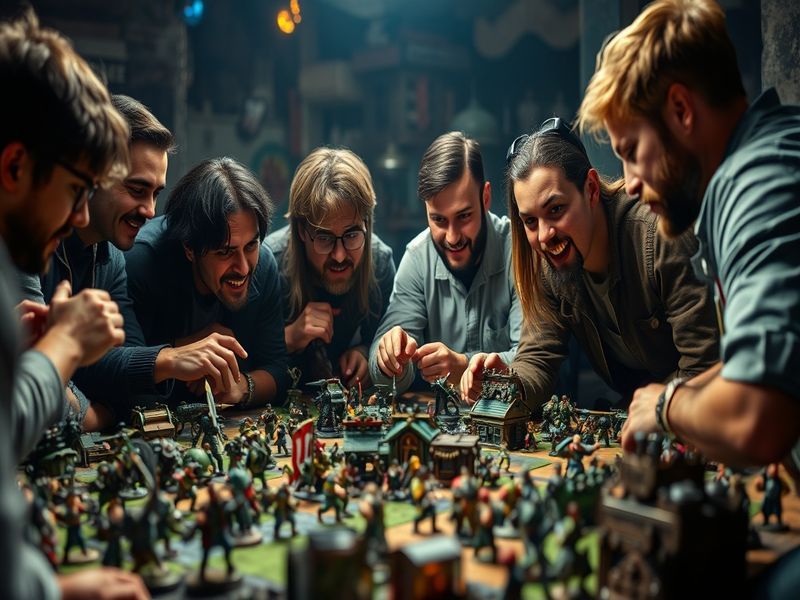
The Warhammer community spans every continent, united by a shared passion for the hobby. Online forums, local clubs, and conventions create spaces for fans to connect, compete, and collaborate. Platforms like Reddit, Discord, and specialized websites host discussions ranging from painting techniques to tournament strategies.
Warhammer’s community-driven nature extends beyond gameplay. Fans contribute to the franchise’s evolution through fan art, homebrew rules, and narrative projects. This collaborative spirit ensures that Warhammer remains dynamic and inclusive, welcoming newcomers and veterans alike.
Diverse Subcultures Within the Warhammer Community
The community is not monolithic; it encompasses various subcultures, each with its own focus:
- Competitive Players: Focus on high-level tournaments, optimized armies, and strategic gameplay.
- Painters and Hobbyists: Dedicated to the art of miniatures, from assembly to display-quality finishes.
- Storytellers: Craft narratives and campaigns, enriching the lore of Warhammer’s worlds.
- Collectors: Amass vast armies, rare editions, or vintage miniatures as investments or personal projects.
The Role of Media and Content Creation
Media plays a pivotal role in shaping the Warhammer community. YouTube channels, Twitch streams, and podcasts offer tutorials, battle reports, and lore deep dives. Creators like Warhammer TV and Tabletop Tyrant have become influential figures, guiding fans through the hobby’s complexities.
Games Workshop has embraced this digital shift, launching Warhammer+, a subscription service featuring exclusive content. The company also partners with content creators, recognizing their impact on community growth and engagement. This symbiotic relationship benefits both the franchise and its fans, ensuring a steady flow of high-quality content.
How Content Creators Shape the Hobby
Content creators serve multiple functions within the community:
- Educators: Teach new players everything from basic rules to advanced tactics.
- Inspiration: Showcase stunning projects that motivate others to improve their skills.
- Advocates: Champion inclusivity, diversity, and accessibility within the hobby.
Challenges and Opportunities for the Community
Despite its vibrancy, the Warhammer community faces challenges. Rising costs of miniatures and starter sets can deter newcomers. Additionally, debates over lore accuracy, game balance, and inclusivity occasionally spark controversy. However, these challenges also present opportunities for growth and innovation.
Games Workshop’s recent initiatives, such as starter sets and digital tools, aim to lower barriers to entry. Community-driven projects, like crowdfunded miniature lines, demonstrate the collective power of fans. These efforts highlight the community’s resilience and adaptability in the face of change.
Addressing the Cost Barrier
One of the most pressing issues is affordability. To combat this, the community has explored several solutions:
- Secondhand Markets: Platforms like eBay, Facebook Marketplace, and local game stores offer used miniatures at reduced prices.
- Shared Resources: Many players pool resources to buy bulk paints, tools, or armies, reducing individual costs.
- Community Events: Local clubs often host painting workshops or demo sessions, providing free or low-cost entry points.
Conclusion: A Hobby That Keeps Giving
The Warhammer community is more than just a collection of fans; it’s a living, breathing ecosystem. It thrives on creativity, competition, and camaraderie, offering something for everyone. Whether you’re a seasoned veteran or a curious newcomer, the community welcomes you with open arms.
As Warhammer continues to evolve, so too will its community. New technologies, storytelling methods, and inclusive practices will shape its future. One thing remains certain: the Warhammer community will endure, driven by a shared love for the hobby and the stories it inspires.