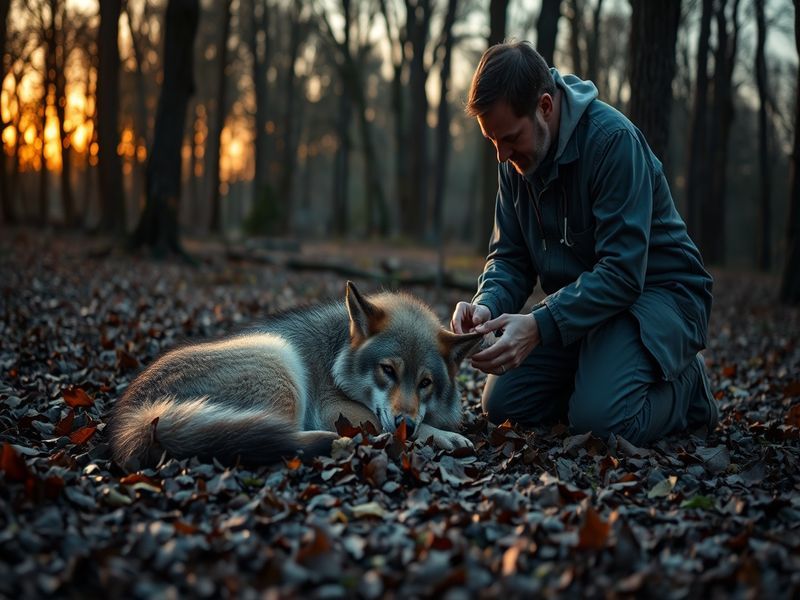
Wildwood Trust Wolf Euthanasia: A Controversial Decision
In recent news, the Wildwood Trust’s decision to euthanize a wolf has sparked significant discussion among animal rights activists, conservationists, and the general public. This controversial action raises important questions about wildlife management, ethical treatment of animals, and the complexities involved in maintaining a balance between human interests and animal welfare.
Background on Wildwood Trust
Wildwood Trust, located in Kent, England, is dedicated to the conservation of British wildlife and offers a sanctuary for various species. The organization’s mission includes educating the public about the importance of biodiversity and the role that each species plays in the ecosystem. However, the recent euthanasia of a wolf named “Maya” has put this mission to the test.
Maya was part of a larger wolf pack at the trust. Reports indicate that she was involved in aggressive behaviors that posed a risk to both staff and visitors. The decision to euthanize her was based on a risk assessment conducted by the trust’s team in consultation with wildlife experts. The management faced a dilemma: prioritize the safety of humans or preserve the life of a wild animal.
Key Points Surrounding the Euthanasia Decision
- The wolf exhibited increasingly aggressive behavior.
- Staff and visitor safety were primary concerns.
- Consultations with wildlife experts informed the decision.
- The trust aims to educate the public on wildlife management challenges.
- Public backlash highlights differing views on animal rights and conservation.
While the trust maintains that the decision was made with the best intentions, many critics argue that euthanizing an animal should always be a last resort. Advocates for animal rights emphasize that measures could have been taken to manage Maya’s behavior without resorting to euthanasia. This incident has ignited discussions about the ethical responsibilities of wildlife trusts and the challenges they face in managing wild animals.
Broader Implications of Wildlife Management
The euthanasia of Maya raises broader implications about wildlife management practices. As human populations grow and encroach on natural habitats, conflicts between humans and wildlife become more common. It is essential for organizations like Wildwood Trust to develop comprehensive strategies that prioritize both animal welfare and public safety.
Some potential approaches could include:
- Implementing behavior modification programs for aggressive animals.
- Enhancing public education on wildlife interactions and safety.
- Establishing partnerships with local wildlife rehabilitation centers.
- Creating more secure enclosures to minimize risks to staff and visitors.
- Conducting ongoing assessments of animal behavior and health.
These strategies could help prevent similar situations in the future, ensuring that the trust can continue its mission while also addressing safety concerns. Furthermore, they would align with a growing public sentiment that favors humane treatment of animals in conservation settings.
Conclusion: The Path Forward for Wildwood Trust
The decision to euthanize Maya the wolf reflects the difficult choices faced by wildlife conservation organizations. While the Wildwood Trust acted within its mandate to ensure safety, the public’s reaction underscores the importance of transparency and communication in such decisions. As society grapples with the complexities of wildlife management, it is crucial for organizations to find a balance between maintaining safety and upholding ethical standards in animal care.
Moving forward, Wildwood Trust and similar organizations must engage more deeply with the community and educate the public about the challenges they face. By fostering a dialogue that includes diverse perspectives, they can work towards solutions that respect both human safety and animal welfare.
For more information on wildlife conservation efforts, visit our related articles on conservation and animal rights.